
Free and Low-Cost Ways to Keep Learning Throughout Your Life
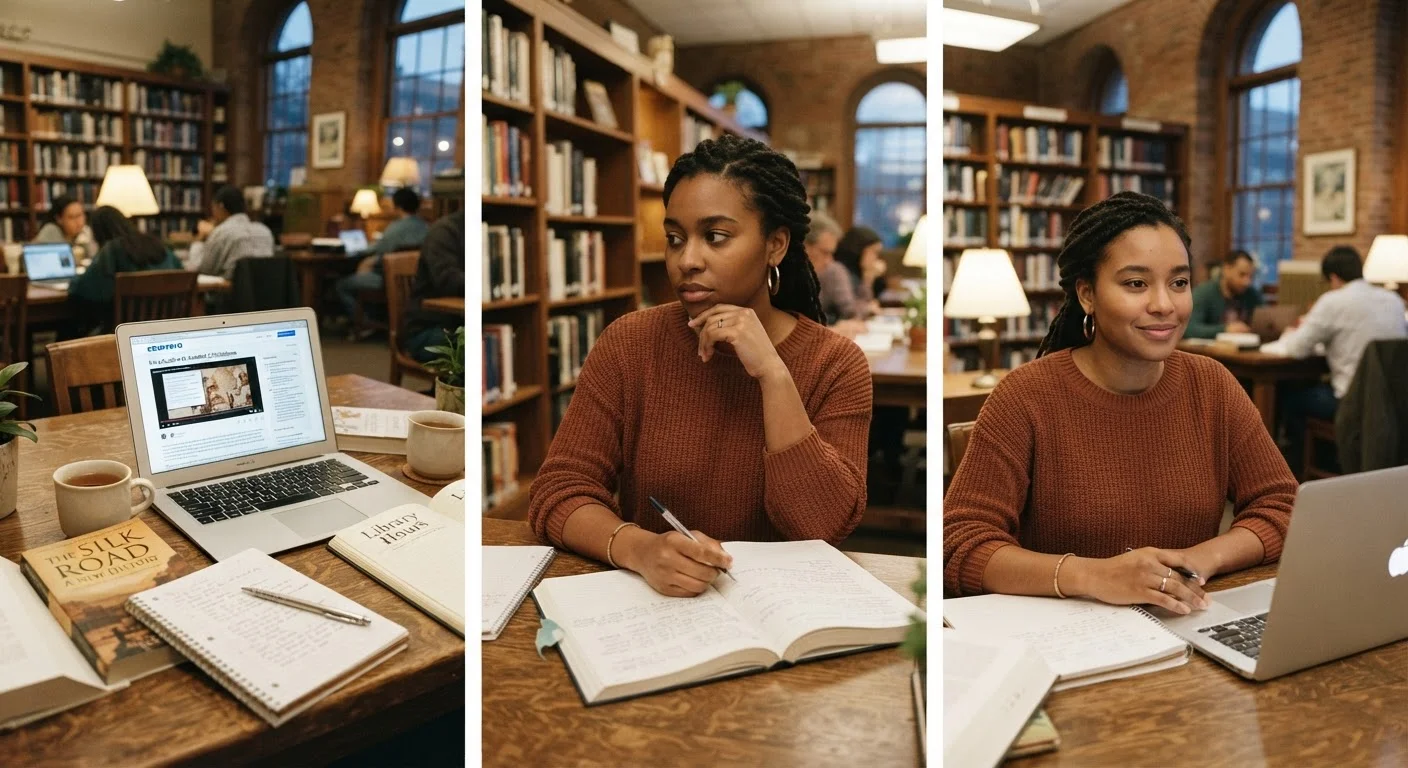
Photo credit: ExplorerGrid.com | Endless Grid Of Factual Content
From public libraries to open courseware, a wide range of quality learning resources costs little or nothing. Here's a curated look at what's available.
Key Takeaways
- Public libraries offer far more than books — digital databases, e-courses, and workshops are often free with a library card.
- Many accredited universities publish full course materials online at no cost through open courseware programs.
- Community colleges and workforce development centers frequently offer low-cost classes for adult learners.
- Podcast networks and educational YouTube channels provide high-quality, expert-led content at no cost.
- Learning consistently in small, regular sessions tends to be more effective than sporadic intensive study.
Why Lifelong Learning Doesn't Have to Cost Much
The idea that meaningful education requires expensive tuition or formal enrollment is, fortunately, outdated. A growing ecosystem of free and low-cost resources — from public institutions to open digital platforms — makes it possible for virtually anyone to deepen their knowledge, build practical skills, or simply satisfy curiosity without a major financial commitment.
Whether you're a working adult looking to upskill, a retiree exploring new subjects, or a parent modeling a love of learning for your children, the options are wider than most people realize. The challenge isn't scarcity — it's knowing where to look. Before diving in, it helps to clarify your goals and learning preferences so you can choose the format that genuinely works for your lifestyle.
Your Public Library Card
The local public library remains one of the most underused educational resources in the United States. Beyond physical books, most library systems now provide cardholders with free access to digital lending platforms, academic journal databases, language-learning apps, and even full online course libraries. Many branches also host in-person workshops on topics ranging from digital literacy to financial basics.
Check your library's digital offerings section — often listed under "e-resources" or "online resources" on their website. If your library participates in a regional consortium, your card may unlock access to multiple systems' collections.
A library card is one of the most powerful — and free — learning tools available to US residents.
Open Courseware from Universities
Dozens of accredited universities publish lecture notes, syllabi, assignments, and sometimes full video lectures from real courses — free and open to the public. These open courseware collections let you study material from rigorous academic programs without enrolling or paying tuition.
Topics span the humanities, sciences, business, engineering, and more. While you won't earn a credential through open courseware alone, the learning itself is entirely real and can be substantial. Search for "open courseware" alongside a subject you want to study to find what's available from major institutions.
Open courseware lets you study genuine university-level material without paying a cent in tuition.
Free Tiers on Online Learning Platforms
Many well-known online learning platforms offer meaningful free access alongside their paid tiers. Free auditing options on major platforms allow learners to watch lectures and read course materials at no cost — typically without earning a verified certificate. For learners whose primary goal is knowledge rather than credentials, this is a practical and substantial option.
Audit options aren't always prominently advertised, so look for a small "audit" or "no thanks" link when a course prompts you to enroll or pay. The Skills & Career Learning hub includes further guidance on using these platforms effectively.
Auditing courses for free gives you genuine learning without the price tag of a certificate.
Community Colleges and Workforce Programs
Community colleges offer some of the most affordable structured learning available to adults in the US. Per-credit costs are typically a fraction of four-year university rates, and many programs cater specifically to working adults with evening or weekend scheduling. Some states also offer free community college programs for qualifying residents — worth researching in your area.
Separately, many workforce development centers and nonprofits run subsidized or free training programs in trades, technology, healthcare support roles, and small business skills. These are often funded through government grants and targeted at adult learners seeking career advancement.
Community college tuition is often a fraction of university costs, with scheduling built for working adults.
Podcasts and Educational Video Channels
High-quality audio and video content produced by universities, journalists, scientists, and subject-matter experts is available for free across podcast apps and video platforms. Well-produced educational podcasts cover history, economics, science, philosophy, language, and countless other disciplines — often drawing on academic research and expert interviews.
The key to getting genuine value from these formats is intentional listening rather than passive background consumption. Taking brief notes, pausing to reflect, or discussing what you've heard with someone else significantly improves retention. Consistency matters more than volume — even two or three focused episodes per week adds up meaningfully over time.
Intentional listening to expert podcasts, combined with reflection, turns commute time into real learning.
Local Community Centers and Extension Programs
Many city and county recreation departments, cultural centers, and university extension programs offer affordable non-credit classes for adults. Topics range from practical skills — cooking, home repair basics, personal finance — to arts, crafts, languages, and wellness subjects. Costs are typically low, and class sizes are small enough to allow genuine interaction and questions.
These settings also offer something digital platforms can't fully replicate: community. Learning alongside neighbors with shared interests can be motivating, and the social dimension of in-person classes supports continued engagement over time.
In-person community classes offer affordable learning alongside the social motivation that digital platforms often lack.
Making the Most of What's Available
The resources above span different formats, depths, and schedules — which means there's rarely a single right answer for every learner. Some people thrive with the structure of a scheduled community college class; others prefer the flexibility of a podcast during a commute. For a closer look at how these formats compare, see our guide on online learning platforms vs. local community classes.
Start Small to Build a Lasting Habit
Research on habit formation consistently suggests that consistency beats intensity. Rather than committing to several hours of study each weekend, consider setting aside 20–30 minutes on four or five days each week. Pairing a new learning session with an existing daily routine — morning coffee, a lunch break, or an evening wind-down — makes it far easier to sustain over time.
If you're new to self-directed learning, getting started with online learning as an adult is easier than it looks once you understand how these platforms are structured. And if you encounter unfamiliar terms as you explore — words like asynchronous learning, spaced repetition, or metacognition — our plain-language glossary for lifelong learners breaks them down clearly. The most important step is simply starting — and with so many no-cost entry points, there's very little standing in the way.
Author
Education & Learning Editorial Team
Education & Learning Editorial Team is the collective byline for our editorial team and contributor network. Articles published under this byline or an editorial pen name are researched, written, and reviewed according to our editorial standards for clarity, consistency, and independence before publication.
View all articles →