
Caulk vs. Weatherstripping: Choosing the Right Seal for Every Gap
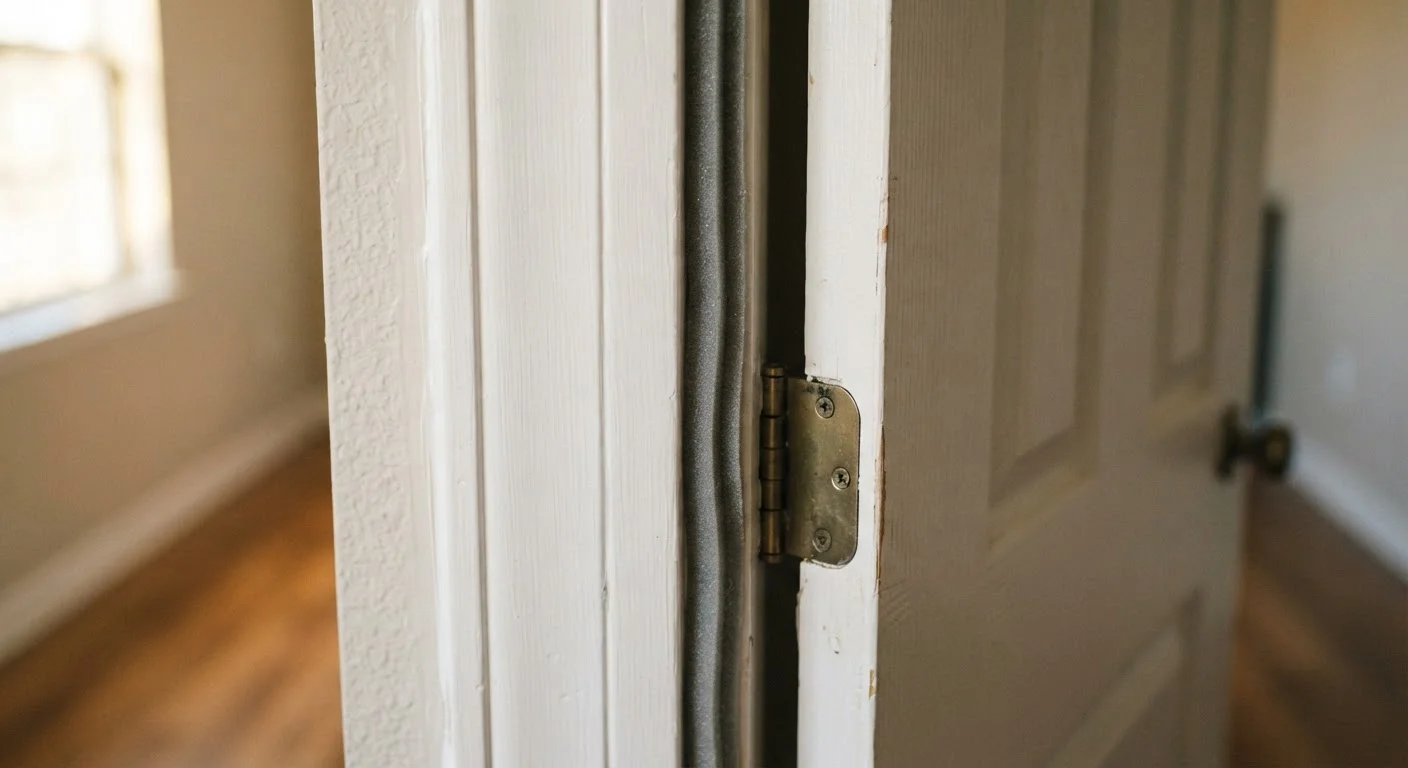
Photo credit: ExplorerGrid.com | Endless Grid Of Factual Content
In this article
Both seal air leaks, but they work very differently. See which material suits windows, doors, and other gaps around your home.
Key Takeaways
- Caulk is for stationary gaps; weatherstripping is for movable surfaces like door edges and operable windows.
- Using the wrong material leads to premature failure — caulk cracks under repeated movement, weatherstripping won't bond to rigid gaps.
- Most homes benefit from both products used together in the same doorway or window assembly.
- Weatherstripping typically lasts 3–5 years; quality caulk on interior joints can last 10 or more years when properly applied.
- Both materials improve energy efficiency and help prevent moisture intrusion when correctly installed.
Why the Distinction Matters
Many homeowners grab whatever is on hand when they spot a draft or gap, but applying the wrong sealing material often creates more work down the road. Caulk applied along a door edge will crack within weeks as the door flexes with each use. Weatherstripping pressed into a rigid static joint won't bond correctly and will peel away quickly. Understanding what each material is engineered to do is the first step toward a lasting repair.
Both products serve the same broad goal — preventing conditioned air from escaping and outside air, moisture, and pests from entering — but they achieve it through fundamentally different mechanisms. Caulk is an adhesive sealant that cures into a flexible solid. Weatherstripping is a compressible material that creates a seal through contact pressure.
| Criterion | Caulk | Weatherstripping |
|---|---|---|
| Best application | Fixed, stationary joints | Moving surfaces (doors, operable windows) |
| Sealing mechanism | Bonds and cures to fill gap | Compresses under contact pressure |
| Typical lifespan | 5–20 years depending on type | 1–10 years depending on material |
| Tolerates repeated movement | No — cracks and debonds | Yes — designed for it |
| Common materials | Latex, silicone, polyurethane | Foam tape, EPDM rubber, V-strip, pile |
| Paintable | Yes (latex); no (silicone) | Generally no |
| DIY difficulty | Low — gun and steady hand | Low to moderate by type |
When to Use Caulk
Caulk belongs anywhere two stationary surfaces meet and leave a gap — and that covers a surprising amount of territory in a typical home. Common applications include:
- Window frames and exterior siding: The joint where a window frame meets siding or brick is constantly exposed to weather but doesn't flex significantly. An exterior silicone or siliconized latex caulk handles the temperature swings and moisture exposure well.
- Door casings and wall trim: The gap between a door's exterior casing and the wall sheathing should be caulked, not weatherstripped. This is a fixed joint.
- Baseboards and interior trim: Interior paintable latex caulk bridges the small gap between trim and drywall cleanly, and accepts paint without cracking.
- Plumbing and utility penetrations: Where pipes or wires pass through walls or floors, caulk — or for larger gaps, foam backer rod plus caulk — creates an air and pest barrier.
For bathroom applications, caulk also plays a role in protecting tile and fixtures. See our guide to bathroom surface maintenance for specifics on choosing the right caulk type near water.
Choose the caulk formulation based on location: silicone for exterior and wet areas (it resists water and UV), paintable latex or vinyl for interior trim, and polyurethane for high-movement exterior joints.
When to Use Weatherstripping
Weatherstripping is designed specifically for surfaces that move. Any time a door or window must open and close while still maintaining a seal when shut, weatherstripping is the correct solution. Types vary by location and need:
- Door stops: Foam tape, V-strip (tension seal), or EPDM rubber compression strips attach to the door stop — the narrow strip of wood inside the frame against which the door closes. These compress when the door shuts and spring back when it opens.
- Door bottoms and thresholds: Door sweeps or automatic door bottoms address the gap at the floor line. This is one of the largest sources of air leakage in many homes.
- Sliding and double-hung windows: Operable windows need fin seals or pile weatherstripping in their tracks to reduce air infiltration without impeding movement.
25–30%
Home heating/cooling lost through gaps and cracks
The U.S. Department of Energy estimates that air leaks around windows, doors, and other openings account for roughly 25–30% of heating and cooling energy use in a typical home.
$200–$600
Estimated annual savings from air sealing
The DOE suggests that homeowners who properly air-seal and insulate their homes can achieve meaningful annual energy cost reductions, with estimates commonly in this range depending on climate and home size.
When selecting weatherstripping, consider durability alongside ease of installation. Adhesive-backed foam is the simplest to apply but wears out fastest — often within one to three years in high-traffic doorways. EPDM rubber and V-strip last considerably longer and are worth the extra effort for exterior doors used daily.
Reading a Door or Window Assembly Correctly
In practice, a single door or window installation usually requires both products. Here's how to read the assembly systematically:
- Inspect the frame-to-wall joint: If there's a gap where the exterior casing meets the siding, that's a caulk job. Run your finger along the edge — if you feel separation, apply exterior caulk.
- Check the door stop and head jamb: Close the door and look for daylight between the door face and the stop. If you see light or feel air, add or replace compression weatherstripping along those surfaces.
- Test the threshold gap: Slide a piece of paper under a closed exterior door. If it slides freely, the door sweep or threshold seal needs replacement — a weatherstripping task.
- Look at operable window sashes: Draft coming through a closed window often traces to worn pile seal in the tracks, not to the fixed frame-to-wall joint (which needs caulk).
Taking this systematic approach helps you spend materials where they'll actually work and avoids the frustration of re-doing a repair that was the wrong fix from the start.

Author
Home & Garden Editorial Team
Home & Garden Editorial Team is the collective byline for our editorial team and contributor network. Articles published under this byline or an editorial pen name are researched, written, and reviewed according to our editorial standards for clarity, consistency, and independence before publication.
View all articles →