
Car Fluids Every Driver Should Know About
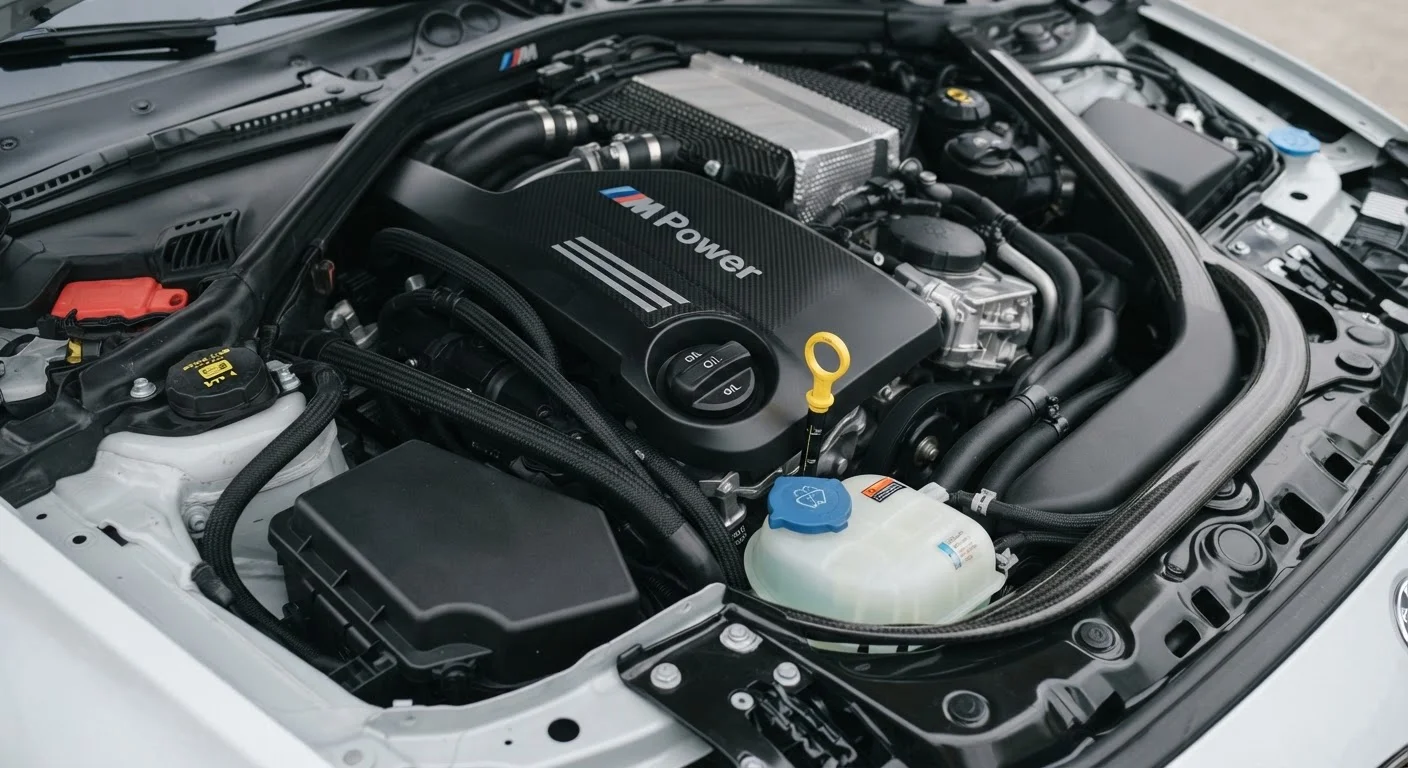
Photo credit: ExplorerGrid.com | Endless Grid Of Factual Content
In this article
Engine oil, coolant, brake fluid, and more — learn what each fluid does, where to find it, and what warning signs look like when levels drop.
The Six Fluids Every Driver Should Recognize
Modern vehicles depend on multiple fluids working in concert to keep the engine running, the brakes stopping, and the steering responsive. Neglecting any one of them can lead to expensive repairs — or an unsafe car. Here's a plain-language breakdown of each fluid, what it does, and what to watch for.
Engine Oil
Engine oil lubricates moving metal parts inside the engine, reduces friction, and carries heat away from critical components. Most vehicles require an oil and filter change every 5,000–7,500 miles, though full-synthetic oil in newer engines may extend that interval to 10,000–15,000 miles. Check the owner's manual for your vehicle's specific recommendation. Low or dirty oil causes the oil pressure warning light to illuminate — a signal that should never be ignored. If you notice a ticking or knocking sound from the engine, low oil is a common culprit. Dashboard warning lights can help you identify when oil pressure drops before damage occurs.
Coolant (Antifreeze)
Coolant circulates between the engine and radiator to regulate operating temperature — preventing both overheating in summer and freezing in winter. It's typically a 50/50 mix of water and ethylene glycol. Check the translucent overflow reservoir (never the radiator cap on a hot engine) to confirm the level sits between the MIN and MAX marks. A sweet smell coming from the engine bay or a rising temperature gauge are early warning signs. Left unaddressed, low coolant is a leading cause of engine overheating — a scenario covered in detail in our article on engine overheating causes and responses.
Brake Fluid
Brake fluid transfers the force from your foot on the pedal through hydraulic lines to the brake calipers. It's hygroscopic — meaning it absorbs moisture over time — which lowers its boiling point and reduces braking effectiveness. Most manufacturers recommend replacing brake fluid every 2–3 years regardless of mileage. A spongy or soft brake pedal is the clearest sign that fluid levels are low or the fluid has degraded.
Three More Fluids Worth Checking Regularly
Power Steering Fluid
Vehicles with hydraulic power steering use this fluid to assist wheel turning. Low levels can cause a whining noise when turning and make the steering wheel noticeably harder to rotate. Many newer vehicles use electric power steering and don't have this reservoir at all — check your owner's manual. If your car does have it, inspect the reservoir monthly and top it off only with the fluid type specified for your vehicle.
Transmission Fluid
Transmission fluid lubricates the gears and clutch packs inside the gearbox, and also acts as a hydraulic fluid in automatic transmissions. Many automakers label their transmissions as "lifetime fill," but most independent mechanics advise a flush every 30,000–60,000 miles for automatic transmissions. Warning signs of low or degraded fluid include rough or delayed gear shifts, slipping, and a burned smell. Transmission repairs rank among the costliest in automotive maintenance, making fluid checks one of the highest-value habits a driver can develop — a point reinforced in our overview of ongoing vehicle ownership costs.
Windshield Washer Fluid
While not mechanical, washer fluid is a safety item. Running out mid-drive — especially behind a salt-spraying truck in winter — can reduce visibility dangerously. Use a fluid rated for the temperatures in your region; water alone will freeze in the reservoir and lines. For a full seasonal checklist that includes fluid readiness, see our guide on seasonal car maintenance.
Hygroscopic
A property of fluids (like brake fluid) that causes them to absorb moisture from the surrounding air over time. Moisture contamination lowers the fluid's boiling point and reduces its effectiveness.
Coolant / Antifreeze
A liquid — typically an ethylene glycol and water mixture — that circulates through the engine and radiator to regulate temperature, preventing both overheating and freezing.
Hydraulic system
A mechanical system that uses pressurized fluid to transmit force. Both braking and hydraulic power steering rely on this principle to multiply the driver's physical input.
Dipstick
A thin metal rod inserted into a fluid reservoir (most commonly the engine oil pan) that allows you to check the fluid level and, in the case of oil, assess its condition by color.
Full-synthetic oil
A type of engine oil manufactured through a chemical process rather than refined from crude petroleum. It typically offers superior performance at temperature extremes and allows longer change intervals.
Overflow reservoir
A translucent plastic tank connected to the radiator that holds excess coolant and allows safe visual level checks without opening the pressurized radiator cap.
Staying ahead of fluid maintenance is one of the most cost-effective ways to extend the life of any vehicle. If you're new to car ownership, building a monthly under-the-hood check into your routine is a foundational habit — one covered step by step in our car maintenance guide for new drivers.

Author
Automotive Editorial Team
Automotive Editorial Team is the collective byline for our editorial team and contributor network. Articles published under this byline or an editorial pen name are researched, written, and reviewed according to our editorial standards for clarity, consistency, and independence before publication.
View all articles →