
Annual Vet Visits: What Actually Happens and Why They Matter
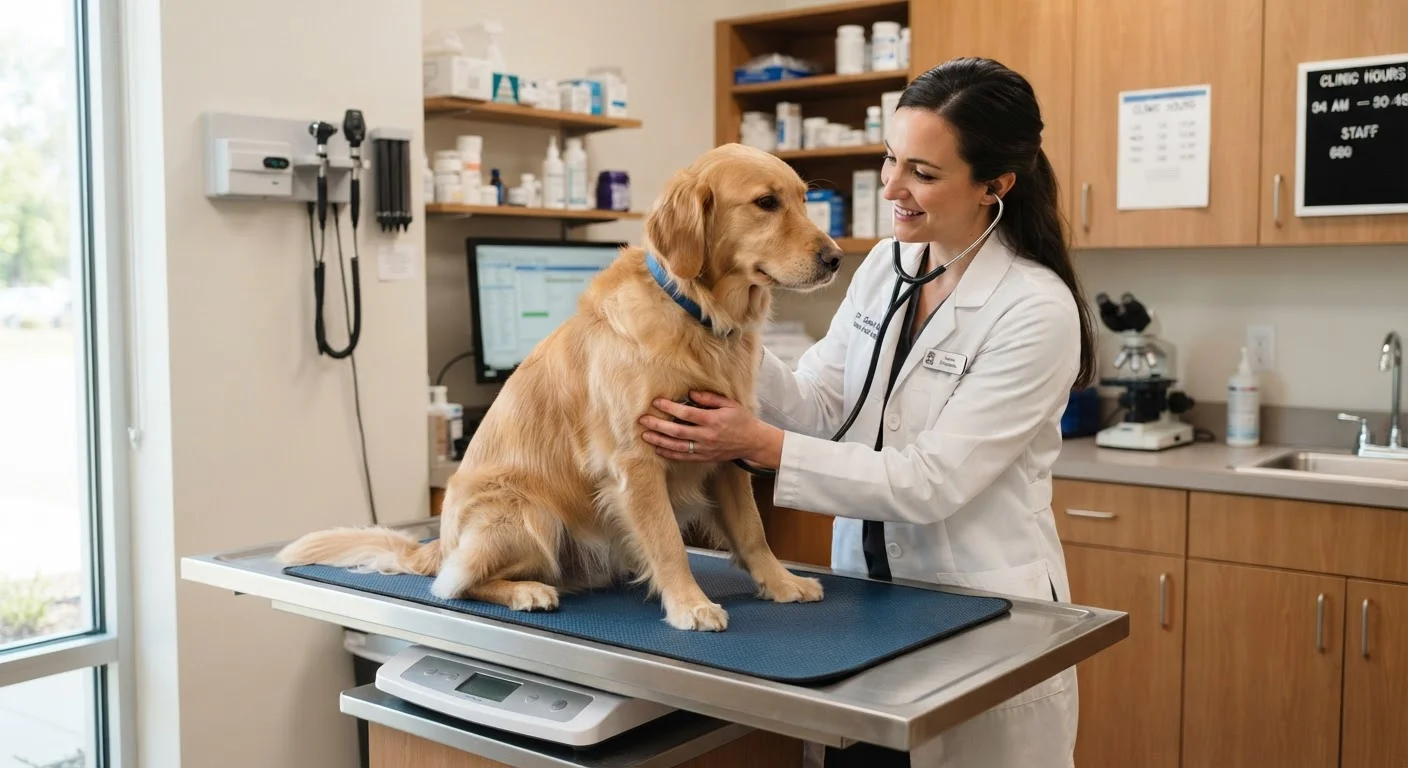
Photo credit: ExplorerGrid.com | Endless Grid Of Factual Content
In this article
Understand what vets check during a routine wellness exam and why yearly visits are a cornerstone of long-term pet health.
Key Takeaways
- A routine vet exam covers far more than vaccines — it's a comprehensive physical assessment.
- Vets use annual baselines to detect subtle health changes that owners often miss at home.
- Parasite prevention, dental health, and weight management are commonly addressed during wellness visits.
- Senior pets typically benefit from exams every six months rather than once a year.
- Preventive care is generally less costly — and less stressful — than treating advanced illness.
More Than a Weigh-In: What Vets Actually Examine
Many pet owners picture the annual visit as a quick once-over and a couple of shots. In reality, a thorough wellness exam is a structured, systematic evaluation of nearly every body system your pet has.
A typical exam proceeds from nose to tail. The veterinarian inspects the eyes for cloudiness, discharge, or early signs of glaucoma. The ears are checked for infection, mites, or inflammation. The mouth receives particular attention — dental disease affects an estimated 70–80% of dogs and cats by age three, according to the American Veterinary Medical Association, and it's frequently underdetected by owners at home.
From there, the vet palpates the lymph nodes, listens to the heart and lungs with a stethoscope, and assesses the abdomen for organ size and tenderness. The skin and coat offer clues about nutritional status and allergies. Joint movement and muscle tone are evaluated, especially in older or larger breeds prone to arthritis.
Make the Most of Your Appointment
Write down any behavioral or physical changes you've noticed — changes in appetite, water intake, sleep patterns, or mobility — before you arrive. These observations, however minor they seem, give your vet valuable clinical context that no physical exam alone can provide.
Body weight and body condition score — a standardized 1–9 scale vets use to assess fat coverage and muscle mass — are recorded at every visit. Tracking these numbers year to year is one of the most reliable early indicators of metabolic or systemic disease.
The Preventive Care Conversation
The physical exam is only part of the appointment. Vets use annual visits to reassess and update the full spectrum of preventive care — and to have frank conversations about what's working and what isn't.
Vaccination status is reviewed, though not every vaccine is necessarily due at every annual visit. Your vet will tailor recommendations based on your pet's lifestyle, geographic region, and risk exposure. For a grounded look at common misconceptions around this topic, the pet vaccination myths vets hear most often is worth reading before your next appointment.
Parasite prevention is another key agenda item. Heartworm testing, fecal exams for intestinal parasites, and flea and tick prevention plans are typically revisited. Many parasites carry zoonotic risk — meaning they can transfer to humans — making this a public health matter as well as a pet health one.
Nutrition and weight management are increasingly central to wellness conversations. Feeding routines tailored to your pet's size, age, and activity level can be a productive starting point for this discussion with your vet.
Why Baselines Change Everything
One of the most underappreciated functions of the annual exam is establishing and maintaining health baselines. A single blood panel in isolation tells you relatively little. The same panel compared against results from two or three prior years can reveal a slow but meaningful trend — a rise in kidney values, a declining thyroid marker, or a creeping elevation in liver enzymes — that prompts investigation well before symptoms appear.
70–80%
Dogs and cats with dental disease by age three
According to the American Veterinary Medical Association, the majority of pets show signs of periodontal disease before age three — most going undetected without a professional exam.
~50%
Pet health conditions caught before symptoms appear
Veterinary studies suggest a significant proportion of health findings during wellness exams — including heart murmurs, lumps, and metabolic changes — are identified before the owner noticed any signs at home.
This is why continuity of care matters. Seeing the same veterinary practice consistently means your pet's medical record accumulates context over time. That longitudinal picture is something no one-time urgent care visit can replicate.
For pets entering their senior years, these baselines become especially important. Vets typically recommend more frequent monitoring and additional screenings once a dog or cat reaches age seven. The what changes in vet care after age seven resource outlines what shifts and why.
It's also worth distinguishing the annual wellness visit from urgent or emergency care. A routine exam is not the right venue for a pet in acute distress. Understanding when to use emergency vs. urgent care vs. your regular vet helps owners make faster, better decisions in stressful moments.
This article is for general informational purposes only and does not constitute veterinary medical advice. Always consult a licensed veterinarian for guidance specific to your pet's health needs.
Frequently Asked Questions

Author
Pets & Animals Editorial Team
Pets & Animals Editorial Team is the collective byline for our editorial team and contributor network. Articles published under this byline or an editorial pen name are researched, written, and reviewed according to our editorial standards for clarity, consistency, and independence before publication.
View all articles →