
Bringing a Senior Pet to the Vet: What Changes After Age Seven
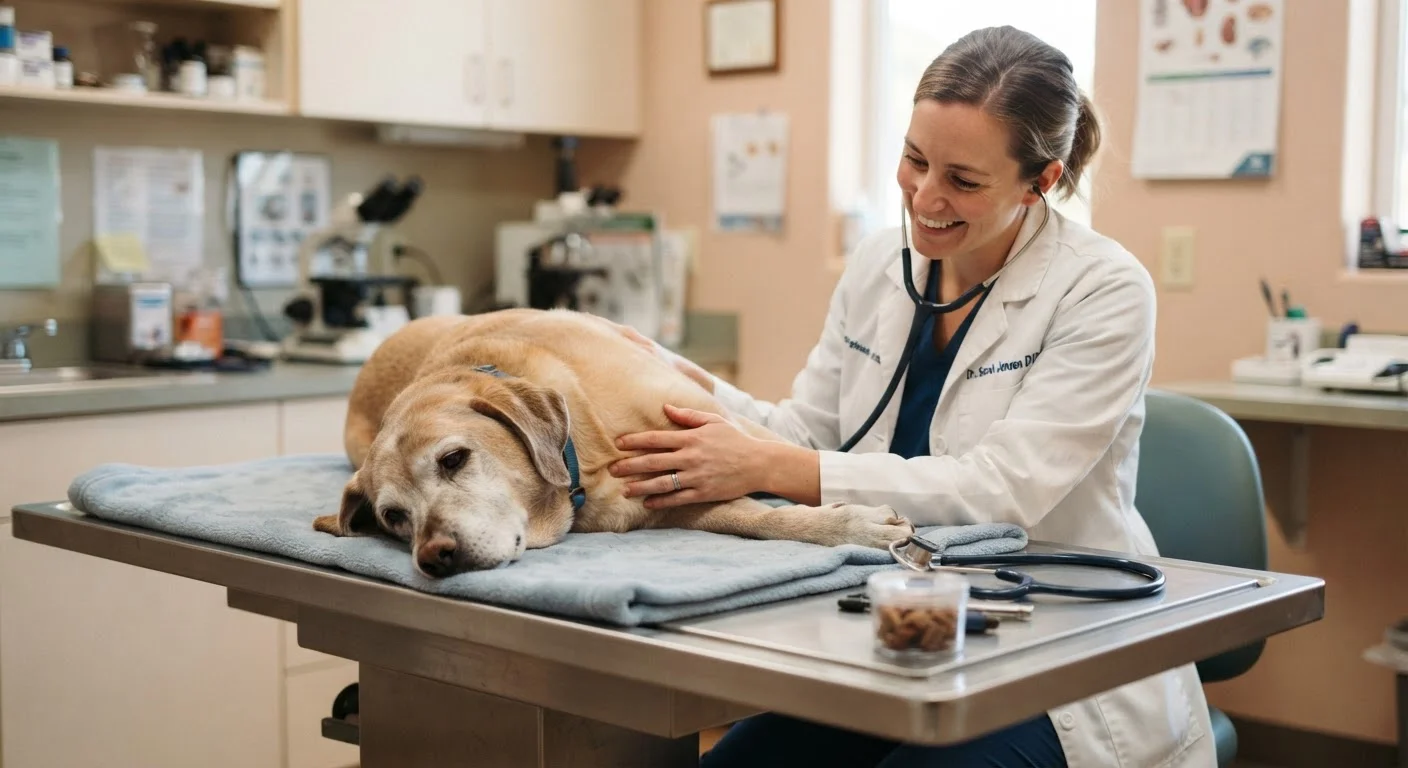
Photo credit: ExplorerGrid.com | Endless Grid Of Factual Content
In this article
Older pets need more frequent monitoring and different screenings. Here's what shifts in veterinary care as your dog or cat enters their senior years.
Key Takeaways
- Most vets recommend twice-yearly exams for dogs and cats once they reach age seven.
- Senior wellness panels include bloodwork, urinalysis, and blood pressure checks not typical in younger pets.
- Early detection of conditions like kidney disease, hyperthyroidism, and arthritis dramatically improves outcomes.
- Weight, dental health, and pain assessment become especially critical components of senior exams.
- Open communication with your vet about behavioral or appetite changes helps catch problems early.
Why Age Seven Is a Turning Point
The commonly cited benchmark of age seven as the start of a pet's senior years isn't arbitrary. By this point, most dogs and cats have undergone significant internal changes — organ function begins to shift, cellular repair slows, and the cumulative effects of diet, environment, and genetics start to surface. Veterinary organizations including the American Veterinary Medical Association (AVMA) recognize that pets age far faster than humans, making earlier and more frequent screening essential.
For large and giant dog breeds, senior status often begins even earlier — around age five or six — because they age more rapidly than smaller breeds. Cats, meanwhile, are generally considered mature adults from age seven and geriatric from around age eleven. The practical implication is the same: your veterinary approach should evolve before you notice obvious problems, not after.
Understanding how nutritional needs shift with age is one piece of the puzzle, but veterinary monitoring is where the real safety net lies.
From Annual to Biannual: The Visit Frequency Shift
For most of a pet's adult life, an annual wellness exam is considered adequate. Once a pet enters their senior years, most veterinarians recommend transitioning to visits every six months. The reasoning is straightforward: conditions common in older pets — kidney disease, diabetes, hyperthyroidism in cats, Cushing's disease in dogs — can progress significantly within a single year if unmonitored.
A six-month interval allows your veterinarian to establish a reliable health baseline and detect deviations before they become emergencies. If your pet is managing a chronic condition, your vet may recommend even more frequent check-ins. This isn't overmedicalization — it's proactive care that often reduces long-term costs and, more importantly, discomfort for your pet.
What's Added to the Senior Wellness Exam
The physical exam your vet performs doesn't change dramatically, but the diagnostic layer added for senior pets is considerably more comprehensive. Here's what typically becomes part of the routine:
- Comprehensive bloodwork: A complete blood count (CBC) and chemistry panel assess organ function, red and white blood cell counts, liver and kidney values, and blood glucose — all of which can reveal early-stage disease before symptoms appear.
- Urinalysis: Urine concentration and protein levels are key indicators of kidney health, particularly in cats. Dilute urine can be an early sign of chronic kidney disease (CKD), one of the most common conditions in older cats.
- Blood pressure measurement: Hypertension in senior pets is underdiagnosed and can damage the eyes, kidneys, heart, and brain. Routine monitoring helps catch it early.
- Thyroid screening: Hyperthyroidism is the most common hormonal disorder in older cats; hypothyroidism occurs in dogs. A simple blood test screens for both.
- Pain and mobility assessment: Arthritis is prevalent in senior dogs and cats alike. Many pets mask discomfort instinctively, making a structured mobility evaluation essential.
Dental health also warrants heightened attention. Dental disease is widespread in older pets and carries systemic consequences beyond the mouth, including stress on the kidneys and heart.
Preparing for a More Productive Senior Visit
Getting the most from your senior pet's veterinary appointments requires preparation on your end. Because visit time is limited and older pets often have more to discuss, arriving with organized information makes a meaningful difference.
Track changes between visits — shifts in appetite, water intake, sleep habits, litter box use, mobility, or social behavior. Even subtle changes can be diagnostically significant. Weight changes in particular deserve attention; both obesity-related health risks and unexplained weight loss are concerning in senior pets and warrant discussion.
Bring a current list of all medications, supplements, and any dietary changes. Senior pets on long-term medications may need periodic lab monitoring to ensure the drugs aren't straining organ function. And if your pet has shown any signs of anxiety or behavioral change, mention it — cognitive dysfunction syndrome (CDS), similar to dementia in humans, is increasingly recognized in aging dogs and cats.
Finally, don't hesitate to ask your vet about what to watch for at home between appointments. A clear plan keeps you engaged and your pet safer.
This article provides general information about senior pet veterinary care and is not a substitute for professional veterinary advice. Always consult a licensed veterinarian for guidance specific to your pet's health needs.

Author
Pets & Animals Editorial Team
Pets & Animals Editorial Team is the collective byline for our editorial team and contributor network. Articles published under this byline or an editorial pen name are researched, written, and reviewed according to our editorial standards for clarity, consistency, and independence before publication.
View all articles →