
Sleep and Mental Health: The Two-Way Relationship Most People Overlook
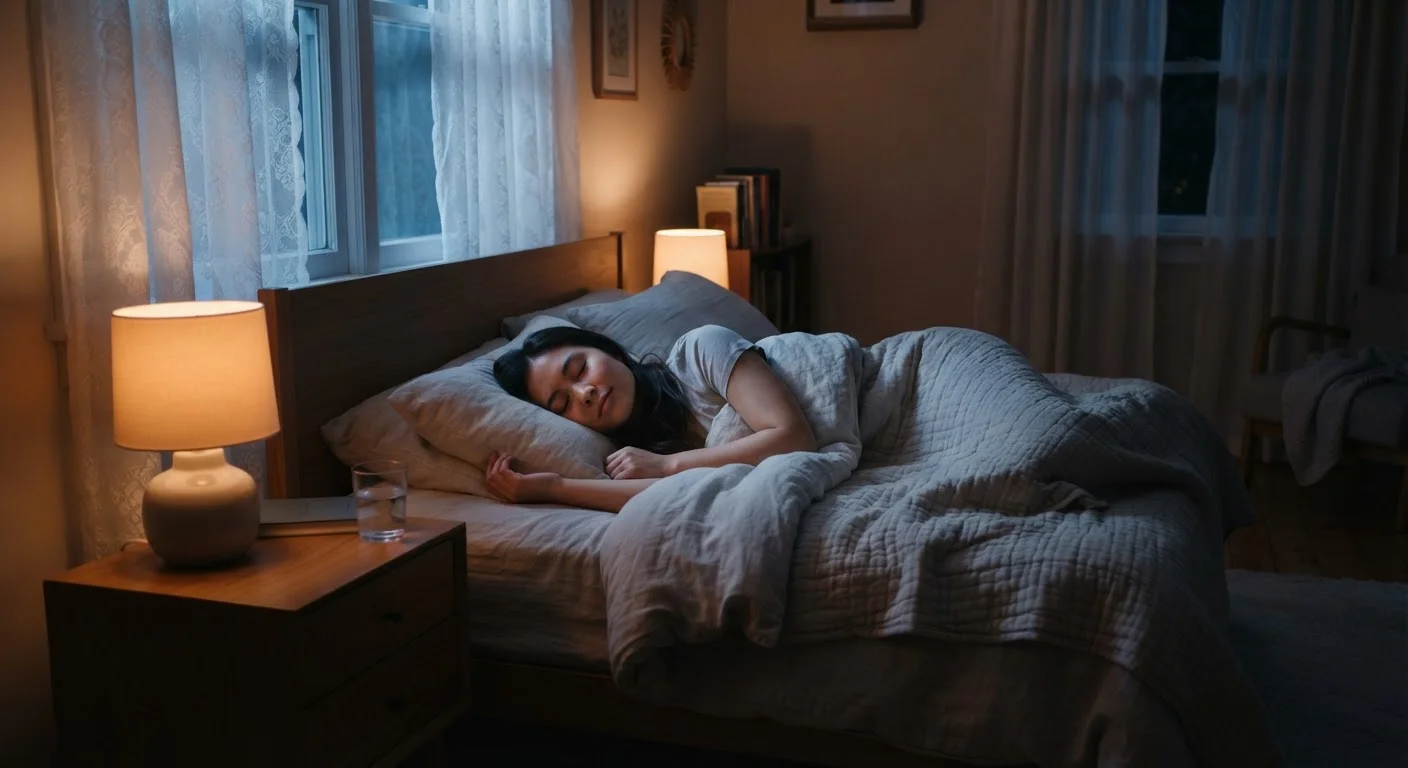
Photo credit: ExplorerGrid.com | Endless Grid Of Factual Content
In this article
Poor sleep can worsen mood and anxiety — and mental health struggles can disrupt sleep in return. Understand this cycle and general strategies for breaking it.
Key Takeaways
- Poor sleep and mental health struggles reinforce each other in a documented bidirectional cycle.
- Sleep deprivation impairs emotional regulation even in people without a diagnosed mental health condition.
- Anxiety and depression commonly cause insomnia, making treatment of both necessary for lasting improvement.
- Consistent sleep schedules and wind-down routines are among the most evidence-supported general strategies.
- Persistent sleep problems alongside mood symptoms warrant evaluation by a qualified healthcare professional.
Why the Connection Goes Both Ways
Most people understand that a bad night's sleep leaves them irritable or low. Fewer recognize that the relationship runs in the opposite direction just as powerfully: anxiety, depression, and chronic stress actively sabotage sleep quality and duration. This bidirectional loop is what makes the sleep-mental health connection so important — and so easy to misread.
When sleep is disrupted, the brain's ability to regulate emotion is measurably impaired. The prefrontal cortex — the region responsible for rational thinking and emotional control — becomes less effective, while the amygdala, which processes threat and fear, becomes more reactive. The result is a nervous system that amplifies negative emotions and struggles to dial them back down.
At the same time, a mind preoccupied with worry, rumination, or low mood finds it hard to transition into the restful state sleep requires. This is not a character flaw or a lack of willpower; it is a physiological mismatch between what the brain needs to do to fall asleep and what anxiety or depression is driving it to do instead.
Treating One Side Isn't Always Enough
Addressing sleep problems without considering mental health — or managing mood symptoms without examining sleep — often produces incomplete results. Research increasingly supports integrated approaches that treat both simultaneously. If you're working with a therapist or doctor, raising sleep concerns explicitly can help them tailor your care more effectively.
Understanding this cycle also matters because treating only one side of it — taking a sleep aid without addressing anxiety, or seeking therapy without examining sleep habits — often produces incomplete results. A holistic view tends to be more effective.
What Sleep Deprivation Does to Emotional Wellbeing
Even a single night of poor sleep can noticeably shift mood. Accumulated sleep debt — several nights of insufficient or fragmented rest — produces more pronounced effects: increased emotional reactivity, reduced empathy, greater difficulty tolerating frustration, and a lowered threshold for anxiety. These effects occur in people without any diagnosed mental health condition, which underscores how foundational sleep is to baseline emotional functioning.
Chronic sleep deprivation is also associated with elevated levels of cortisol, the body's primary stress hormone. Sustained high cortisol has downstream effects on mood regulation, motivation, and physical health. Separately, poor sleep interferes with the overnight memory consolidation that helps process emotionally charged experiences — a function that may play a role in resilience and stress recovery.
~1 in 3
US adults report not getting enough sleep regularly
According to the Centers for Disease Control and Prevention, insufficient sleep is a recognized public health concern affecting a significant proportion of American adults.
10x
Higher insomnia risk in people with depression
Research published in sleep medicine literature indicates that people with depression are significantly more likely to experience insomnia compared to those without the condition.
7–9 hours
Recommended nightly sleep for most adults
This range represents broadly established guidance from sleep research organizations and is associated with better cognitive and emotional outcomes compared to shorter durations.
It is worth noting that sleep quality matters as much as quantity. Fragmented sleep — waking frequently without reaching deeper sleep stages — can leave a person feeling unrefreshed despite spending adequate time in bed. This is relevant for conditions like sleep apnea, which often goes undiagnosed and has established associations with depression and cognitive difficulties.
How Mental Health Conditions Disrupt Sleep
Sleep disturbance is listed as a diagnostic criterion for several common mental health conditions, including major depressive disorder, generalized anxiety disorder, and post-traumatic stress disorder. This is not coincidental — these conditions directly alter the neurological and hormonal systems that regulate the sleep-wake cycle.
Depression frequently causes early morning awakening, where a person wakes hours before intended and cannot return to sleep. Anxiety more often presents as difficulty falling asleep due to persistent racing thoughts. Both can cause fragmented overnight sleep, reduced restorative slow-wave sleep, and distorted perception of how much sleep was actually obtained.
People managing these challenges sometimes develop secondary insomnia — a pattern where the bed itself becomes associated with wakefulness and frustration rather than rest. This conditioned arousal can persist even when the original mood symptoms improve, which is why directly addressing sleep behavior is often necessary alongside mental health treatment. Those common misconceptions about anxiety can also complicate this picture, particularly the belief that sleep difficulty is simply a personality trait rather than a treatable pattern.
General Strategies for Supporting Both
While individual circumstances vary widely — and anyone experiencing significant sleep or mental health difficulties should work with a qualified healthcare professional — there are well-supported general principles worth understanding.
- Consistent sleep and wake times help anchor the body's circadian rhythm, making it easier to fall and stay asleep. This consistency tends to matter more than the specific hours chosen.
- Wind-down routines — a period of low stimulation before bed — signal to the nervous system that the day is ending. Practices like light stretching, reading, or mindfulness-based techniques have evidence supporting their use here.
- Limiting screen time before bed reduces both blue light exposure and the psychological activation that comes from news, social media, and notifications. The relationship between digital habits and mood is worth examining beyond sleep alone.
- Cognitive behavioral therapy for insomnia (CBT-I) is widely regarded by sleep specialists as one of the most effective approaches for chronic insomnia and does not rely on medication. A healthcare provider can advise whether it is appropriate for a given situation.
If you want a broader view of how sleep fits into your overall mental wellbeing, a structured self-assessment of your mental health can be a useful starting point for reflection.
This article is for general informational and educational purposes only and does not constitute medical or mental health advice. If you are experiencing persistent sleep problems or mental health symptoms, please consult a qualified healthcare professional.
Frequently Asked Questions

Author
Health & Wellness Editorial Team
Health & Wellness Editorial Team is the collective byline for our editorial team and contributor network. Articles published under this byline or an editorial pen name are researched, written, and reviewed according to our editorial standards for clarity, consistency, and independence before publication.
View all articles →