
The Science Behind Why Chronic Stress Wears the Body Down
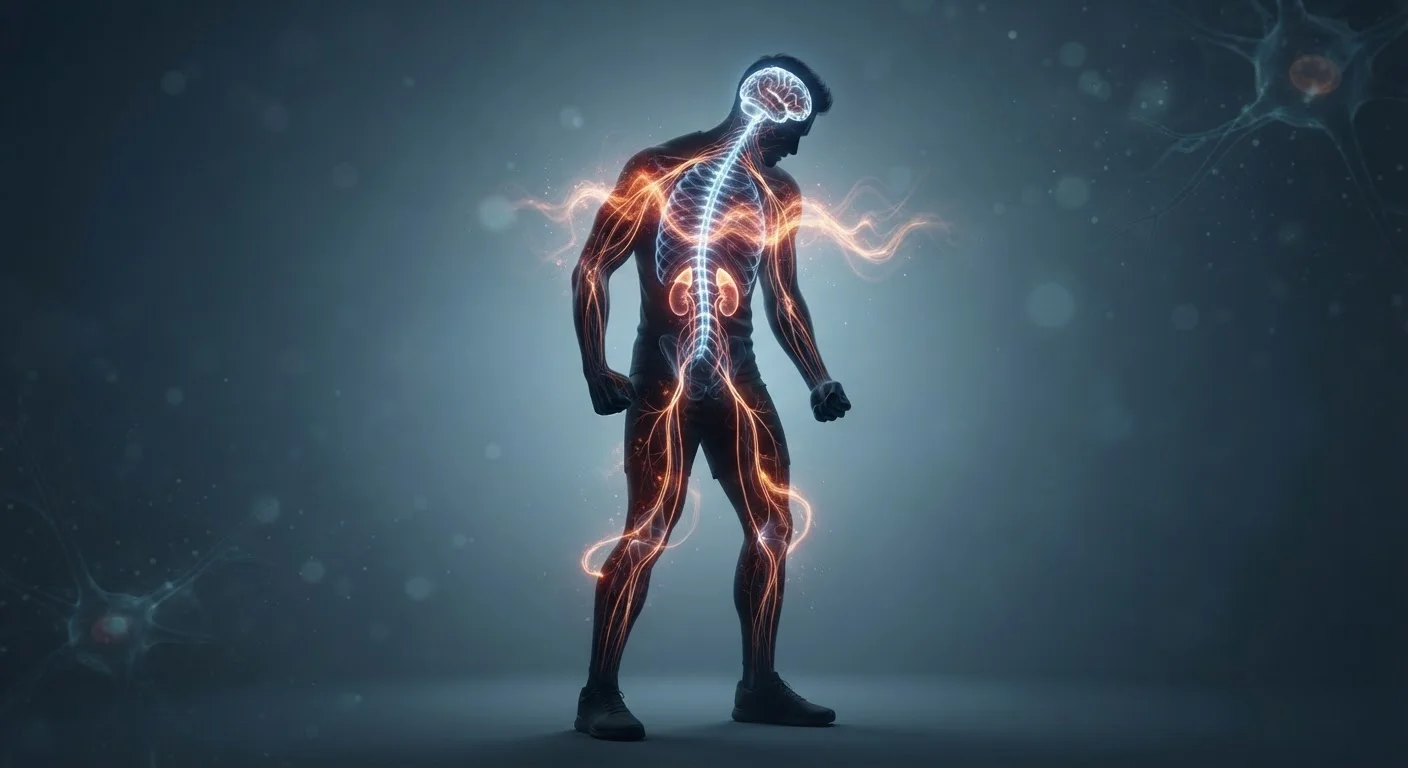
Photo credit: ExplorerGrid.com | Endless Grid Of Factual Content
In this article
Stress isn't just a feeling — it triggers real physiological changes. Learn what happens in the body during prolonged stress and why it matters for long-term health.
Key Takeaways
- Chronic stress keeps the body in a prolonged fight-or-flight state that disrupts normal physiological functioning.
- Cortisol, the primary stress hormone, is helpful short-term but harmful when chronically elevated.
- The immune system, cardiovascular system, and brain are all measurably affected by long-term stress.
- Lifestyle factors like social connection and controlled breathing can help regulate the stress response.
- Chronic stress is a recognized contributor to multiple common health conditions, not just a mental state.
The Body's Stress System: Built for Sprints, Not Marathons
When the brain perceives a threat, it triggers an immediate cascade: the hypothalamus signals the adrenal glands to release adrenaline and cortisol. Heart rate accelerates, blood flow shifts toward muscles, and digestion temporarily slows. This is the fight-or-flight response — an elegantly efficient system designed to help us survive short-term danger.
The key word is short-term. Once a threat passes, the body is designed to recover — cortisol drops, heart rate normalizes, and systems return to baseline. Chronic stress disrupts this cycle. When stressors are persistent — financial pressure, caregiving demands, ongoing conflict, or relentless workloads — the off-switch never fully engages. The body remains in a state of low-grade emergency that it was never built to sustain.
Digital habits that quietly affect your mood can also act as low-level, continuous stressors — keeping the nervous system subtly activated without obvious cause.
What Elevated Cortisol Does Over Time
Cortisol is not inherently harmful — it plays a legitimate role in regulating metabolism, inflammation, and the sleep-wake cycle. The problem arises with chronically elevated cortisol, which begins to work against the systems it is meant to support.
77%
Adults reporting stress-related physical symptoms
According to the American Psychological Association's Stress in America survey, a large majority of US adults report experiencing physical symptoms they attribute to stress.
2–3×
Increased cardiovascular risk with chronic stress
Research published in major cardiovascular journals estimates that chronic psychosocial stress roughly doubles to triples the risk of certain adverse cardiac events over time.
40%
Of adults say stress affects their sleep
The APA's Stress in America research found that a substantial share of US adults consistently identify stress as a primary disruptor of their sleep quality.
Sustained high cortisol suppresses immune function, making the body less capable of defending against pathogens and slower to recover from illness. It also promotes the storage of visceral fat — particularly around the abdomen — and can disrupt insulin sensitivity. The cardiovascular system bears a significant burden too: chronically elevated stress hormones contribute to higher resting blood pressure and increased arterial inflammation, both recognized risk factors for heart disease.
Additionally, cortisol interferes with sleep architecture. Because cortisol naturally peaks in the morning to promote wakefulness, chronic elevation at night — common in people with sustained stress — fragments sleep and reduces restorative deep sleep stages, which further impairs the body's recovery capacity.
The Brain Under Chronic Stress
The effects of prolonged stress are not limited to the body below the neck. Neuroimaging research has linked chronic stress to structural and functional changes in several brain regions. The hippocampus — involved in memory consolidation and spatial navigation — appears particularly vulnerable, with studies suggesting reduced volume in individuals experiencing long-term stress or stress-related conditions.
The prefrontal cortex, which governs decision-making, emotional regulation, and impulse control, also shows reduced activity under chronic stress. Meanwhile, the amygdala — the brain's threat-detection center — can become more reactive, creating a feedback loop where the stressed brain becomes more sensitized to potential stressors over time.
These changes help explain why people experiencing chronic stress often report difficulty concentrating, emotional volatility, and a sense of being overwhelmed by situations they would otherwise manage with ease. They are not imagining it — there are measurable neurological underpinnings.
Breaking the Cycle: What Actually Helps
Understanding the physiology of chronic stress points toward evidence-informed strategies for interrupting it. The parasympathetic nervous system — sometimes called the rest-and-digest system — is the biological counterweight to fight-or-flight. Deliberately activating it can help bring cortisol and heart rate down and restore a sense of physiological calm.
Controlled breathing techniques are among the most accessible tools for this: slow, diaphragmatic breathing has been shown to influence heart rate variability and activate the vagus nerve, a key pathway of the parasympathetic system.
Social connection also plays a measurable role. Research consistently shows that perceived social support buffers the physiological stress response — oxytocin, released during positive social interaction, directly counters some of cortisol's effects. What the evidence shows about social connection underscores how much human relationship functions as a genuine health resource, not merely an emotional comfort.
Small, Consistent Actions Add Up
You don't need to overhaul your lifestyle to begin supporting your stress-response system. Research suggests that even modest, consistent practices — a short daily walk, regular social contact, or a few minutes of deliberate slow breathing — can meaningfully influence cortisol patterns and heart rate variability over time. Speak with a healthcare provider if you are unsure where to start or if your symptoms are significant.
This article is for general informational and educational purposes only and does not constitute medical advice. If you are experiencing symptoms you believe may be related to chronic stress, consult a qualified healthcare professional for personalized guidance.
Frequently Asked Questions

Author
Health & Wellness Editorial Team
Health & Wellness Editorial Team is the collective byline for our editorial team and contributor network. Articles published under this byline or an editorial pen name are researched, written, and reviewed according to our editorial standards for clarity, consistency, and independence before publication.
View all articles →