
Emergency vs. Urgent Care vs. Regular Vet: Which to Choose and When
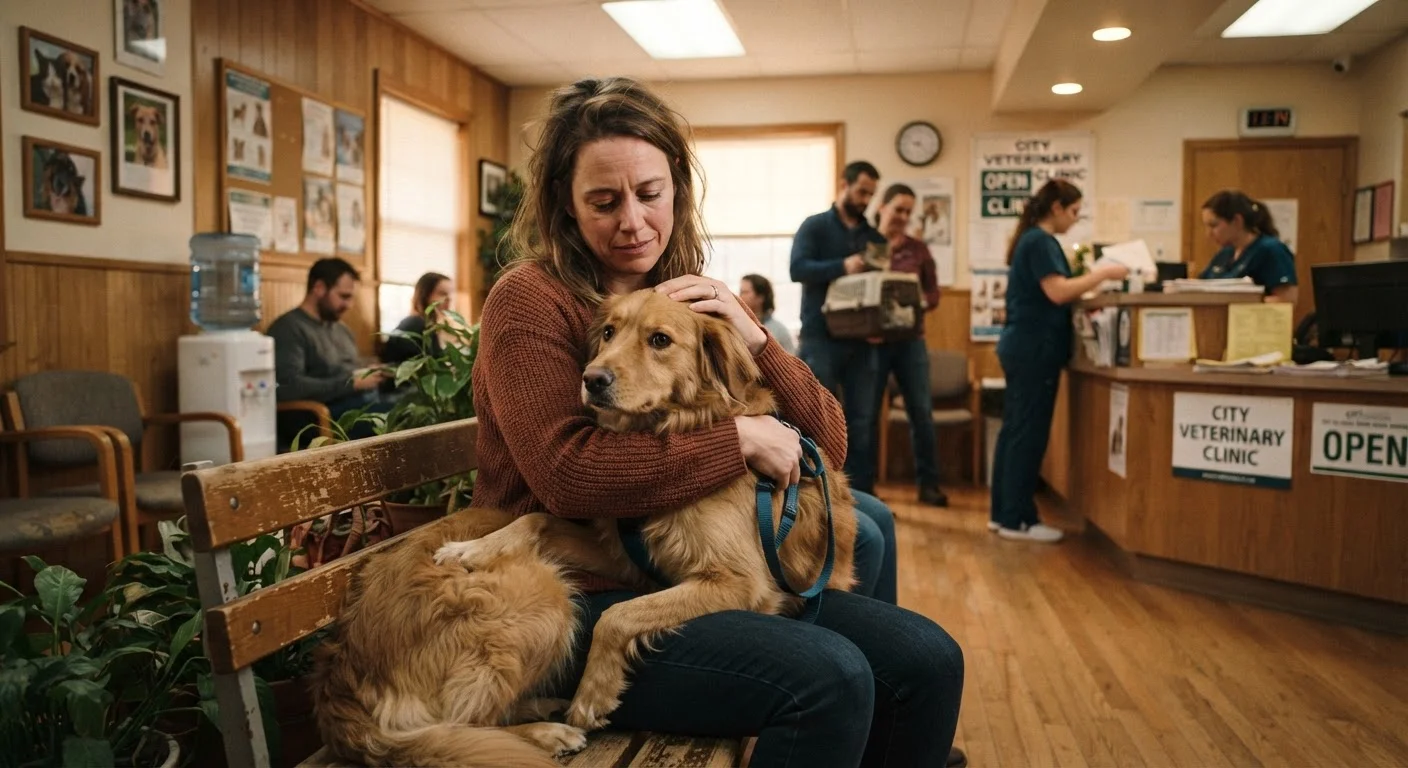
Photo credit: ExplorerGrid.com | Endless Grid Of Factual Content
In this article
Not every pet health situation calls for an ER visit—but some can't wait. Learn how to triage your pet's condition and pick the right care setting.
Key Takeaways
- Emergency animal hospitals are equipped for life-threatening crises and operate 24/7.
- Urgent care veterinary clinics handle serious but non-life-threatening problems, often with shorter wait times than ERs.
- Your regular vet remains the best choice for preventive care, chronic conditions, and non-urgent concerns.
- Certain symptoms—like difficulty breathing, collapse, or suspected poisoning—always warrant an immediate ER visit.
- When in doubt, call your regular vet or a veterinary triage line for guidance before making a decision.
Understanding the Three Tiers of Veterinary Care
Pet owners frequently face a stressful question: how serious is this, really? Veterinary care in the United States is organized into three broadly distinct tiers, each designed for a different level of urgency and complexity.
Regular veterinarians (also called primary care or family vets) are the foundation of your pet's healthcare. They conduct annual wellness exams, manage vaccinations, treat common illnesses, and coordinate referrals. They typically operate on scheduled appointments during business hours.
Urgent care veterinary clinics are a growing middle tier—similar in concept to human urgent care centers. They accept walk-ins or same-day appointments and handle conditions that need prompt attention but aren't immediately life-threatening. Hours vary but often extend into evenings and weekends.
Emergency animal hospitals operate around the clock and are staffed by veterinarians trained in critical care. They carry diagnostic equipment—in-house labs, digital radiography, ultrasound, and often surgical suites—needed to stabilize severely ill or injured animals quickly. Costs at ERs are substantially higher than at primary care practices, reflecting both the staffing model and specialized equipment.
When to Go Straight to the Emergency Hospital
Some symptoms should send you to an emergency animal hospital immediately, without waiting to call your regular vet. These include:
- Difficulty breathing — labored, open-mouth breathing in cats; rapid shallow breathing; blue or white gums
- Collapse, loss of consciousness, or inability to stand
- Suspected poisoning or toxin ingestion — chocolate, xylitol, rodenticides, certain plants, or household chemicals
- Seizures lasting more than two to three minutes, or multiple seizures in one day
- Severe trauma — hit by a vehicle, fall from height, animal attack
- Suspected urinary blockage — especially male cats straining without producing urine, which is a rapidly life-threatening emergency
- Uncontrolled or severe bleeding
- Bloated, distended, or painful abdomen with retching — a potential indicator of gastric dilatation-volvulus (GDV) in dogs, which is fatal without immediate surgery
The ASPCA Animal Poison Control Center (888-426-4435) is also available around the clock for suspected poisoning cases and can advise whether an ER visit is warranted.
| Emergency Hospital | Urgent Care Clinic | Regular Veterinarian | |
|---|---|---|---|
| Hours | 24/7, including holidays | Extended hours, evenings/weekends | Scheduled business hours |
| Appointment needed | No — walk-in always | Usually walk-in or same-day | Yes — typically scheduled |
| Conditions treated | Life-threatening emergencies | Serious but stable conditions | Routine, preventive, chronic |
| Diagnostic capability | Full in-house lab, imaging, surgery | Moderate — varies by clinic | Standard diagnostics, referrals |
| Relative cost | Highest | Moderate to high | Standard |
| Knows your pet's history | No | No | Yes — ongoing relationship |
When Urgent Care Is the Right Call
Urgent care clinics are well-suited to problems that genuinely can't wait a few days for a scheduled appointment, but that don't present an immediate threat to your pet's life. Examples include:
- Vomiting or diarrhea that is persistent but the pet remains alert and hydrated
- Limping without suspected fracture or severe trauma
- Minor lacerations or wounds that need cleaning and assessment
- Eye discharge or mild squinting (though sudden complete eye closure warrants faster escalation)
- Ear infections causing significant discomfort
- Mild allergic reactions without facial swelling or breathing changes
If your regular vet's office is closed and your pet's condition is worsening—but not yet critical—an urgent care clinic can provide examination, pain relief, and diagnostics, and refer to an ER if findings indicate a more serious problem. Always call ahead to confirm what the clinic can treat, as capabilities vary.
When Your Regular Vet Is the Right Choice
For the vast majority of pet health needs, your primary care veterinarian remains the best option. This includes:
- Scheduled wellness exams and vaccinations
- Ongoing management of chronic conditions such as diabetes, arthritis, or allergies
- Behavioral concerns—your regular vet can assess physical causes and refer to a specialist or may discuss options, as explored in our guide to anxiety in pets
- Prescription diet evaluations — see prescription diets vs. standard pet food for context on when nutrition becomes part of treatment
- Follow-up care after an ER or urgent care visit
- Monitoring senior pets — care needs shift meaningfully after age seven
Your regular vet also knows your pet's baseline health—an advantage no walk-in clinic can replicate. A slight heart murmur or unusual bloodwork value means something very different in context than in isolation.
Build Your Emergency Contact List Now
Don't wait for a crisis to find your nearest 24-hour emergency animal hospital. Search now, save the address and number in your phone, and note your regular vet's after-hours protocol. Knowing these details in advance removes a critical decision-making burden during a stressful moment. The ASPCA Animal Poison Control Center (888-426-4435) and the Pet Poison Helpline are also worth saving.
Practical Steps When You're Unsure
When you're not certain which care level a situation requires, use this decision process:
- Assess the ABCs — Is your pet Airway-clear, Breathing normally, and Circulating (conscious, responsive)? Any abnormality here means emergency care now.
- Call your regular vet's office — Most practices have an after-hours message with emergency instructions or a triage line. Describe symptoms specifically: duration, severity, any changes since onset.
- Use a veterinary triage resource — Some practices and pet insurance plans offer phone or chat triage with a veterinary professional. Unexpected vet costs are also worth planning for; our overview of how pet health insurance works explains what coverage typically includes.
- When in doubt, err toward urgency — Pets mask pain and illness; by the time distress is obvious, a condition may be further progressed than it appears.
This article provides general educational information about veterinary care settings and is not a substitute for professional veterinary advice. Always consult a licensed veterinarian for guidance specific to your pet's health.

Author
Pets & Animals Editorial Team
Pets & Animals Editorial Team is the collective byline for our editorial team and contributor network. Articles published under this byline or an editorial pen name are researched, written, and reviewed according to our editorial standards for clarity, consistency, and independence before publication.
View all articles →