
Keeping an Overweight Pet Healthy: What the Science Actually Says
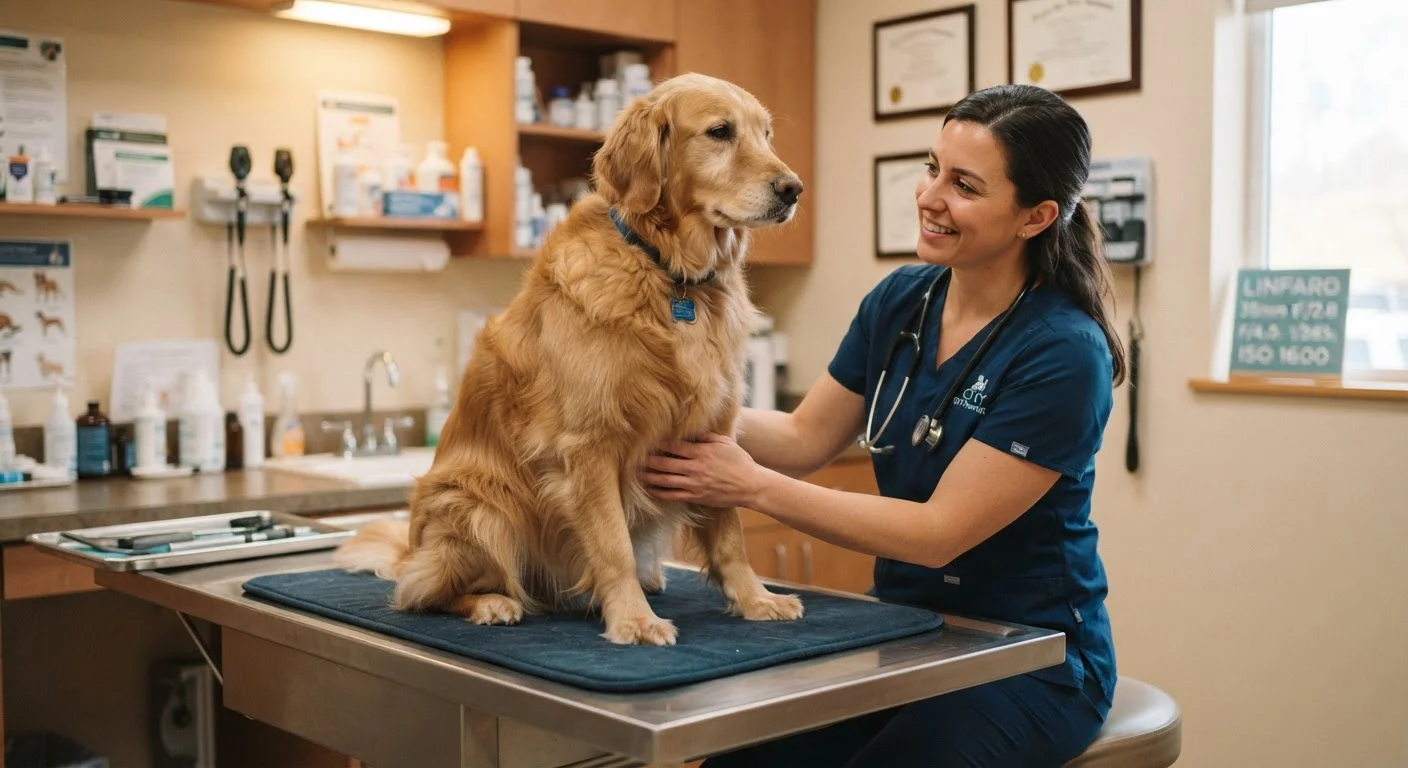
Photo credit: ExplorerGrid.com | Endless Grid Of Factual Content
In this article
Obesity in pets carries serious health risks. Explore the research on weight-related conditions and vet-recommended approaches to gradual management.
Key Takeaways
- Over half of US dogs and cats are estimated to be overweight or obese, according to veterinary surveys.
- Excess weight is directly linked to diabetes, arthritis, heart disease, and shortened lifespan in pets.
- Veterinarians use Body Condition Scoring — not just scale weight — to assess whether a pet is truly overweight.
- Gradual weight loss supervised by a vet is safer than rapid caloric restriction for pets.
- Increased appropriate exercise and measured feeding are cornerstones of evidence-based weight management.
- Some breeds and neutered animals carry a higher genetic or hormonal predisposition to weight gain.
How Common Is Pet Obesity — and Why Does It Matter?
According to the Association for Pet Obesity Prevention (APOP), surveys conducted across US veterinary practices have estimated that more than half of domestic dogs and cats are overweight or obese. Despite this prevalence, owners frequently underestimate their pet's body condition — a phenomenon researchers sometimes call the "fat pet gap."
The health consequences are well-documented. Excess adipose tissue functions as metabolically active tissue, releasing pro-inflammatory compounds that contribute to conditions including insulin resistance, joint degradation, and cardiovascular strain. In practical terms, an overweight pet is not simply carrying extra pounds — it is managing a low-grade systemic burden that accumulates over time.
For context on how weight intersects with broader health monitoring, see what changes in veterinary care as pets age, since senior animals face compounding risks when weight goes unmanaged.
~59%
US dogs estimated overweight or obese
According to Association for Pet Obesity Prevention (APOP) veterinary practice surveys.
~61%
US cats estimated overweight or obese
Based on APOP survey data collected across participating US veterinary clinics.
~1.8 years
Median lifespan reduction in overweight Labradors
A long-term study of Labrador Retrievers found lean dogs lived nearly two years longer than overweight littermates.
10%
Maximum recommended treat calorie share
Veterinary nutritionists generally advise that treats not exceed 10% of a pet's total daily caloric intake.
What the Research Links to Excess Weight
The scientific literature consistently connects obesity in companion animals to a shortened lifespan. A landmark long-term study involving Labrador Retrievers found that dogs maintained at a lean body condition lived a median of nearly two years longer than their overweight littermates — a striking finding that underscores the real-world impact of chronic excess weight.
Specific conditions with established links to pet obesity include:
- Osteoarthritis: Excess weight increases mechanical load on joints and promotes inflammatory pathways that accelerate cartilage breakdown.
- Type 2 diabetes mellitus: Particularly prevalent in overweight cats, where insulin resistance develops through mechanisms similar to those in humans.
- Respiratory compromise: Fat deposits around the chest wall and airways reduce breathing efficiency, worsening conditions like brachycephalic obstructive airway syndrome in flat-faced breeds.
- Hypertension and cardiac strain: Documented in both dogs and cats carrying significant excess weight.
- Increased anesthetic risk: Obese animals are more difficult to intubate and have altered drug distribution, raising surgical complication rates.
Understanding your pet's nutritional intake is foundational. Our guide to pet nutrition and diet provides reliable, research-grounded feeding guidance applicable across life stages.
How Vets Assess and Approach Weight Management
Weight management in pets is not simply about feeding less. Veterinarians typically begin with a thorough assessment that includes Body Condition Scoring, measurement of muscle condition (to distinguish fat from muscle loss), screening for underlying metabolic conditions such as hypothyroidism or hyperadrenocorticism, and a detailed diet history.
Once underlying causes are ruled out or addressed, a structured plan is established. Key principles supported by veterinary consensus include:
- Measured feeding: Free-choice or "bowl-filling" feeding is a leading driver of obesity. Transition to precisely weighed portions using a kitchen scale, not cup estimates.
- Caloric accounting for treats: Treats should comprise no more than 10% of daily caloric intake. Many owners significantly undercount treat calories.
- Appropriate exercise: Gradually increased physical activity appropriate to the animal's current fitness level and joint condition — not sudden intense sessions.
- Regular reassessment: Weight checks every 2–4 weeks during active weight loss allow the plan to be adjusted without risking nutrient deficiency or excessive restriction.
For pets with significant obesity or related health conditions, your veterinarian may discuss a prescription weight-management diet — formulations designed to deliver high protein and essential nutrients at a reduced caloric density.
Use a Kitchen Scale for Accurate Portions
Standard measuring cups can vary in actual volume by as much as 20%, making them an unreliable tool for caloric management. Weighing dry food in grams using an inexpensive kitchen scale provides significantly more consistent portion control. Ask your veterinarian for a target daily gram weight rather than a cup measurement when starting a weight-loss plan.
Recognizing Risk Factors and Setting Realistic Goals
Certain pets carry a higher baseline risk for weight gain, and recognizing these factors helps owners stay proactive rather than reactive. Neutered animals, particularly cats, often have lower caloric needs than intact animals. Specific breeds show pronounced genetic predisposition — Labrador Retrievers, Beagles, Cocker Spaniels, and Dachshunds among dogs; Domestic Shorthairs among cats — though obesity can affect any animal.
Age is also a factor: activity levels naturally decline as pets get older, while caloric intake often stays the same. Monitoring signs that your pet's diet may not be working — such as coat changes, reduced energy, or subtle shifts in body shape — can prompt earlier intervention.
Realistic weight loss timelines matter. For cats, rapid restriction carries serious risk of hepatic lipidosis, a potentially fatal liver condition triggered when fat mobilizes too quickly. For dogs, a loss of 1–2% of body weight per week is a generally accepted safe benchmark. These targets require patience — returning a significantly overweight pet to ideal condition often takes six months to a year or more. Working closely with your veterinary team throughout this process is not optional; it is the standard of care.
This article is for general informational and educational purposes only and does not constitute veterinary medical advice. Always consult a licensed veterinarian for guidance specific to your pet's health and condition.
Frequently Asked Questions

Author
Pets & Animals Editorial Team
Pets & Animals Editorial Team is the collective byline for our editorial team and contributor network. Articles published under this byline or an editorial pen name are researched, written, and reviewed according to our editorial standards for clarity, consistency, and independence before publication.
View all articles →