
Separation Anxiety vs. Isolation Distress: Two Conditions That Look the Same but Aren't
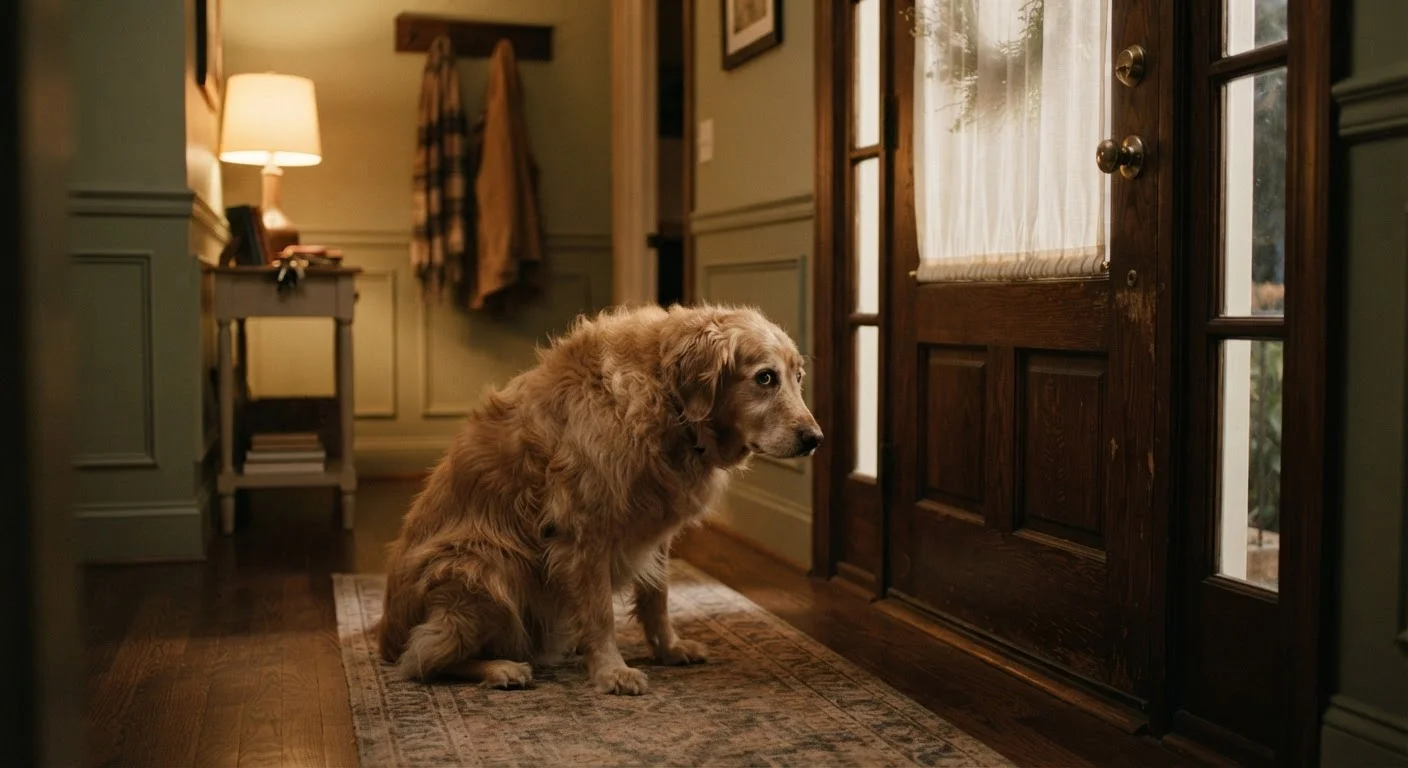
Photo credit: ExplorerGrid.com | Endless Grid Of Factual Content
In this article
These two conditions share symptoms but have different causes and training paths. Learn to tell them apart before you choose an approach.
Key Takeaways
- Separation anxiety is triggered specifically by the absence of a bonded attachment figure, not just being alone.
- Isolation distress occurs when a dog is left without any social companionship, regardless of who provides it.
- Both conditions produce similar symptoms — vocalization, destruction, elimination — but have distinct behavioral signatures.
- Misidentifying the condition leads to ineffective training and prolonged stress for the dog.
- Proper diagnosis often involves video observation and, in complex cases, a veterinary behaviorist.
Why the Distinction Matters
When a dog barks for an hour after the door closes, chews through a door frame, or eliminates indoors despite being house-trained, the instinct is to label it "separation anxiety." But that label covers two meaningfully different conditions, and treating isolation distress as separation anxiety — or vice versa — stalls progress and prolongs your dog's distress.
As part of a broader look at anxiety in pets, understanding the root cause of a dog's alone-time behavior is foundational to any effective intervention. The symptoms can look identical on the surface; the behavioral triggers are not.
Defining Each Condition
Separation Anxiety
Separation anxiety (SA) is an attachment-based condition. The dog's distress is triggered specifically by the departure or absence of one or more bonded individuals — typically a primary caregiver. Critically, the dog may settle normally when another person, even a stranger, is present. The panic response is about who is absent, not the fact of being alone.
Behavioral markers that point specifically toward SA include: the dog following the attachment figure from room to room before departure (called "hyper-attachment" or "velcro behavior"), distress beginning during pre-departure cues such as picking up keys, and rapid calming when the specific person returns versus when anyone else arrives.
Isolation Distress
Isolation distress (ID) is not attachment-specific. The dog is distressed by the absence of any social companionship. A dog with ID may be perfectly calm when left with a familiar dog, a house-sitter, or even a neighbor — anyone who fills the social void. The distress is about being alone, full stop.
ID is sometimes considered less severe in the behavioral literature, but it is still genuine distress and warrants attention. It can also be misread as SA when owners never test whether the dog settles with alternative company.
| Feature | Separation Anxiety | Isolation Distress | |
|---|---|---|---|
| Core trigger | Absence of specific attachment figure | Absence of any social company | |
| Settles with substitute companion? | Usually no | Usually yes | |
| Pre-departure stress signals | Common (pacing, shadowing) | Less common | |
| Who conducts desensitization | Must be the attachment figure | Any trusted person can help | |
| Training flexibility | More structured, less flexible | More adaptable | |
| Medication sometimes involved? | Yes, in moderate-severe cases | Rarely, except severe cases |
How to Tell Them Apart at Home
The most reliable low-cost diagnostic tool is video. Set up a camera before leaving — even a phone propped on a shelf — and record 20 to 30 minutes of your dog's behavior after you exit. Note when distress behaviors begin, how intense they are, and whether they escalate or plateau.
Then run a simple comparison test on separate days:
- Leave alone: Record your dog's behavior when the home is empty of people and pets.
- Leave with a companion: Have a trusted friend, family member, or another calm dog remain with your dog while you leave.
If your dog is visibly distressed in scenario one but relaxed in scenario two, isolation distress is the more likely diagnosis. If your dog remains distressed even with a companion present — but settles when you specifically return — separation anxiety is the stronger candidate.
Use Video Before You Assume
Most owners never see their dog's behavior during absences — they only see the aftermath. Even five minutes of video footage from the first moments after you leave can reveal whether distress is immediate (suggesting strong anxiety) or delayed (suggesting boredom or habit). Many certified separation anxiety trainers require video as part of their initial assessment.
Training Paths Diverge Significantly
For isolation distress, the goal is building the dog's comfort with genuine solitude through systematic desensitization — very short absences that stay well under the dog's distress threshold, gradually extended over weeks. Because the dog is not fixated on a specific person, the training is often more flexible; any calm, familiar human presence can be used as a stepping stone.
For separation anxiety, the protocol is more demanding. The attachment figure must be the one conducting the desensitization, because introducing substitute companions does not address the core trigger. Mission-Critical Absence training (a structured systematic desensitization approach used by certified separation anxiety trainers, or CSATs) requires the primary person to practice absences in very small increments — sometimes seconds — to avoid pushing the dog over threshold.
In moderate-to-severe SA cases, a veterinarian may discuss whether medication could support the training process by reducing baseline anxiety enough for the dog to learn. This is a clinical decision made in consultation with a vet or veterinary behaviorist, not a standalone solution.
This article provides general educational information about canine behavior and is not a substitute for professional veterinary or behavioral guidance. If your dog's distress is severe or is not improving, consult a licensed veterinary behaviorist or certified applied animal behaviorist.

Author
Pets & Animals Editorial Team
Pets & Animals Editorial Team is the collective byline for our editorial team and contributor network. Articles published under this byline or an editorial pen name are researched, written, and reviewed according to our editorial standards for clarity, consistency, and independence before publication.
View all articles →