
Solo Travel for the First Time: A Ground-Up Guide
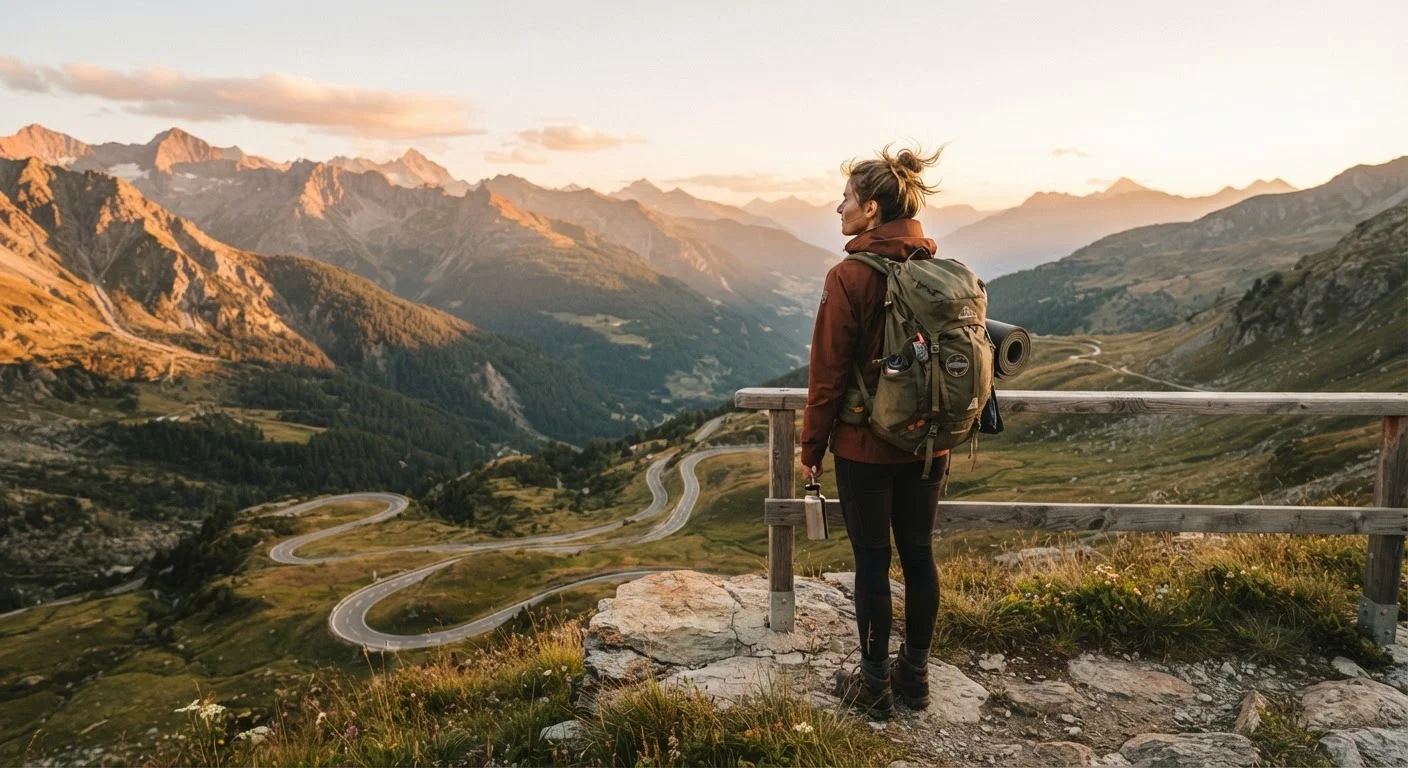
Photo credit: ExplorerGrid.com | Endless Grid Of Factual Content
In this article
Everything a first-time solo traveler needs to know — from choosing a destination and managing safety to staying connected and trusting your instincts.
Key Takeaways
- Start with a destination that feels manageable — familiarity reduces first-trip overwhelm significantly.
- Share your itinerary with a trusted contact before departing and check in regularly.
- Solid pre-trip planning frees you to be spontaneous once you actually arrive.
- Solo travel sharpens confidence, decision-making, and self-reliance in ways group trips rarely do.
- Safety comes from awareness and preparation, not from avoiding solo travel altogether.
Why Solo Travel Is Worth the Leap
There's a particular kind of confidence that only comes from navigating an unfamiliar place entirely on your own terms — choosing where to eat, when to linger, and when to move on without negotiating with anyone else. Solo travel is one of the most direct paths to that confidence, and the first trip is usually the hardest barrier to clear.
The concern isn't usually what to do — it's the uncertainty of doing it alone. That's completely normal. But here's the honest truth: the logistics of solo travel aren't dramatically harder than group travel. What changes is that every decision and every reward lands squarely with you. That's both the challenge and the point.
Before planning a single detail, it helps to understand the full arc of trip planning. Our guide to trip planning fundamentals walks through every phase from research to day-of logistics — a solid foundation before you go solo.
Start Small — Even One Night Counts
If a multi-day solo trip feels daunting, start with a single overnight to a nearby city. You'll encounter the same core experiences — navigating alone, eating alone, managing logistics solo — without the pressure of a long commitment. That one night often dissolves most of the anxiety about longer trips.
Choosing Your First Solo Destination
Your first solo destination doesn't need to be extraordinary — it needs to be manageable. That means choosing somewhere with reliable infrastructure, reasonable safety conditions, and enough tourism activity that you won't struggle to find help, information, or company if you want it.
For US travelers going solo domestically, cities with strong public transit, active visitor economies, and walkable cores are natural starting points. If you're considering New York, our realistic guide to a first NYC visit covers exactly what to expect and how to navigate it. Browse our US destinations hub for inspiration across different travel styles.
Travel advisory
An official government warning that rates the safety level of a destination and recommends whether travelers should visit, exercise caution, or avoid the area entirely.
Travel insurance
A policy that can reimburse you for unexpected costs like trip cancellations, medical emergencies abroad, or lost luggage — separate from regular health insurance.
Offline maps
Map data downloaded to your phone before departure so you can navigate without an internet or cell connection once you arrive.
Local SIM card
A small chip bought in your destination country that gives your phone a local phone number and data plan, often at lower rates than international roaming.
Itinerary
A planned schedule of your trip — where you'll stay, what you'll do, and how you'll get between places — used as a flexible reference rather than a rigid script.
Wherever you land, think through three factors: language ease (can you communicate if something goes wrong?), transport reliability (can you get around without a car?), and traveler density (are there enough other tourists that resources and safety infrastructure are well-developed?). All three don't need to be perfect — but knowing your trade-offs upfront prevents surprises.
Planning and Logistics Basics
Good planning is what makes spontaneity possible. When core logistics are sorted before you leave, you have mental bandwidth to adapt once you arrive. Start with the non-negotiables: accommodation for at least the first two nights confirmed, transportation to and from your arrival point, and a general sense of your daily budget.
From there, build a loose structure — not a minute-by-minute schedule, but a framework. Our itinerary-building guide explains how to balance planned stops with unscheduled time so your trip feels organized without feeling rigid. For a deeper look at the full trip planning process, our hub covers everything from research to packing.
For solo travelers specifically, a few logistics carry extra weight:
- Share your itinerary with at least one person at home before you leave.
- Book a flexible return where possible — first trips sometimes run long or short.
- Download offline maps for your destination before departing; don't rely solely on cell data.
- Know your embassy or consulate location if traveling internationally.
Safety Essentials and Smart Habits
Solo travel safety is mostly about awareness and preparation, not fear. The habits that keep solo travelers out of trouble are the same habits that make any traveler more resilient — they just matter more when there's no one else watching your back.
A few principles worth internalizing before your first trip:
- Trust your instincts. If a situation feels off, leave it. You don't owe anyone an explanation.
- Keep a low profile. Avoid visibly displaying expensive gear, maps, or large amounts of cash in unfamiliar areas.
- Stay oriented. Know your accommodation address and the nearest transit hub by memory, not just by phone.
- Vary your routines. If you're staying somewhere for several days, don't walk the exact same route at the exact same time every day.
Always verify current entry requirements, health advisories, and local safety conditions through official government sources — the U.S. Department of State publishes country-specific travel advisories that are worth checking before any international departure. Conditions change, and no guide can substitute for up-to-date official information.
Staying Connected Without Losing the Experience
One of the quiet tensions in solo travel is the pull between staying connected to people at home and actually being present where you are. Both matter. A reasonable middle ground looks like: scheduled check-ins rather than constant contact, a reliable communication plan, and deliberate screen-free stretches during the day.
Before departure, sort out your connectivity plan. Options for US travelers going abroad include international phone plans, local SIM cards, or portable Wi-Fi devices — each has trade-offs in cost, convenience, and coverage. Research what's realistic for your specific destination rather than assuming your regular plan will work.
Establish a simple check-in protocol with your contact at home: a message each morning or evening, a shared document with your accommodation addresses, and a clear signal for when they should escalate concern. This isn't about surveillance — it's about mutual peace of mind that lets you explore freely.
The hardest part of a first solo trip is usually the hours before departure. Once you're moving, most travelers find the experience absorbs them quickly. The goal isn't a perfect trip — it's a trip that teaches you what you're capable of. That lesson tends to stick.
This article is for general informational purposes only. Travel conditions, safety situations, and entry requirements change frequently. Always verify current information through official government and destination sources before traveling.
Frequently Asked Questions

Author
Travel & Trips Editorial Team
Travel & Trips Editorial Team is the collective byline for our editorial team and contributor network. Articles published under this byline or an editorial pen name are researched, written, and reviewed according to our editorial standards for clarity, consistency, and independence before publication.
View all articles →