
What Travel Insurance Actually Covers—and What It Doesn't
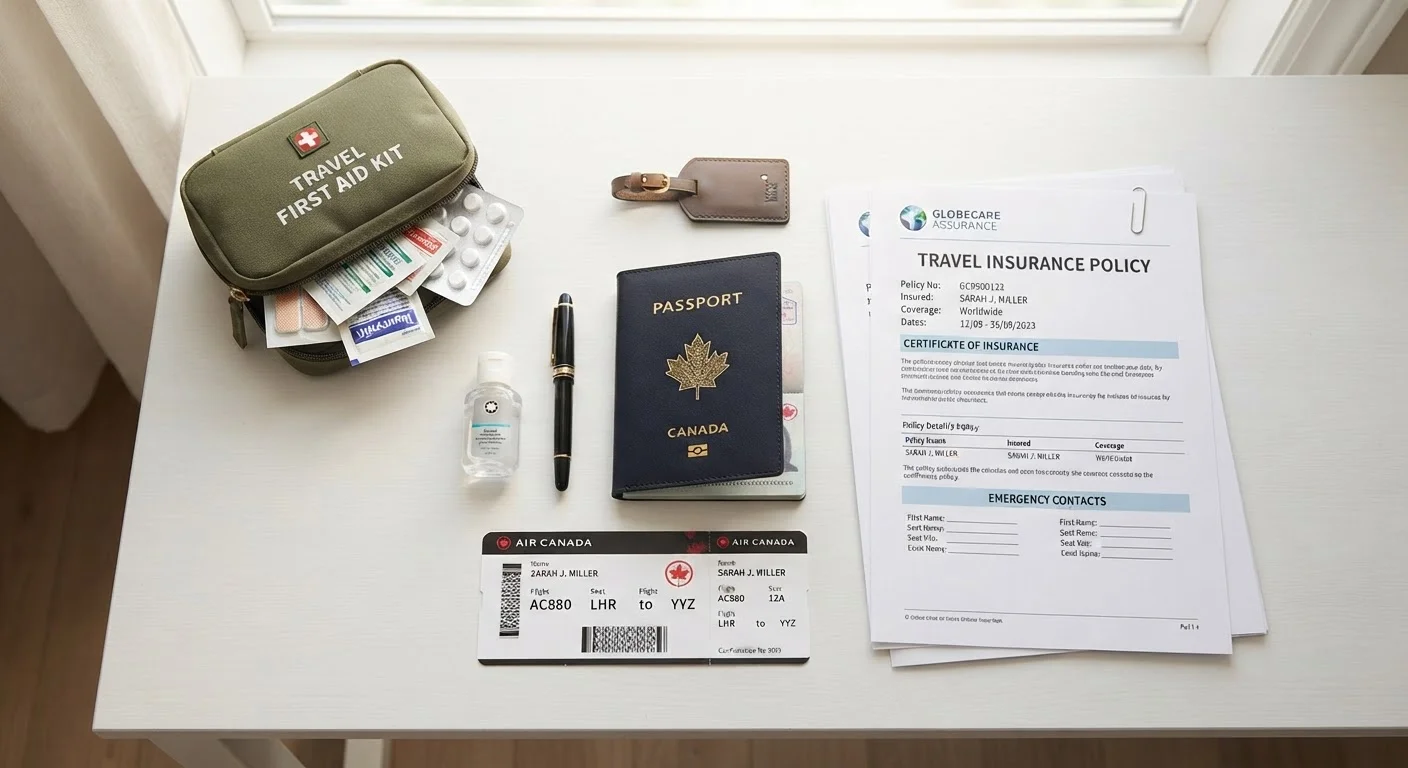
Photo credit: ExplorerGrid.com | Endless Grid Of Factual Content
In this article
A plain-language breakdown of common travel insurance policy types, key coverage terms, and the exclusions travelers most often overlook.
Key Takeaways
- Travel insurance typically covers trip cancellation, emergency medical care, evacuation, and baggage loss — but only for listed covered reasons.
- Pre-existing medical conditions are often excluded unless you purchase a waiver within a short window after your initial trip deposit.
- "Cancel for Any Reason" (CFAR) upgrades offer the broadest cancellation flexibility but usually reimburse only 50–75% of trip costs.
- Standard policies rarely cover pandemic-related disruptions, adventure sports injuries, or losses from ignored travel advisories.
- Reading the full policy document — not just the marketing summary — is the only way to know exactly what you're buying.
The Core Coverage Categories You'll See in Most Plans
Travel insurance policies bundle several distinct types of protection. Understanding each category helps you match the right plan to your actual trip risks — rather than assuming everything is covered.
- Trip Cancellation & Interruption: Reimburses prepaid, non-refundable costs if you cancel or cut short your trip for a covered reason — typically illness, death of a family member, severe weather, jury duty, or job loss (depending on the policy). The key phrase is "covered reason": if your reason isn't on the list, standard cancellation benefits won't apply.
- Emergency Medical & Dental: Covers treatment for unexpected illness or injury during your trip. This is especially critical for international travel, where your domestic health plan may offer little or no coverage abroad.
- Emergency Evacuation: Pays to transport you to an adequate medical facility or back home if your condition requires it. Evacuation costs can exceed $100,000 in remote locations — making this coverage genuinely valuable.
- Baggage Loss & Delay: Compensates for lost, stolen, or delayed luggage, usually up to a set dollar limit per bag and per item category. High-value electronics and jewelry often face sub-limits.
- Travel Delay: Provides a daily reimbursement for meals and lodging if your trip is delayed beyond a specified threshold — often six or twelve hours — due to a covered cause like severe weather or a mechanical issue.
For a broader look at costs travelers tend to underestimate when budgeting, see our guide to hidden trip costs.
$50,000+
Typical minimum cost of emergency medical evacuation
Medical evacuation from a remote or international location can cost well over $50,000 — a figure frequently cited by travel insurance industry sources as a baseline for remote-area rescues.
14–21 days
Typical window to purchase pre-existing condition waiver
Most insurers require the policy to be purchased within 14 to 21 days of the initial trip deposit for the pre-existing condition waiver to apply.
50–75%
Typical CFAR reimbursement rate
Cancel for Any Reason upgrades generally reimburse between 50% and 75% of insured, non-refundable trip costs, depending on the specific policy terms.
What Travel Insurance Typically Does Not Cover
The exclusions section of a travel insurance policy is where most surprises live. Some of the most commonly overlooked gaps include:
- Pre-existing medical conditions: Unless you qualify for and purchase a waiver, conditions that existed before your coverage start date are generally excluded. The waiver window is usually 14–21 days from your first trip deposit.
- Adventure and high-risk activities: Skydiving, bungee jumping, backcountry skiing, and similar activities are frequently excluded from standard medical coverage. Some insurers offer adventure sport riders as an add-on.
- Ignored travel advisories: If a government agency has issued a travel warning for your destination and you travel anyway, many policies will deny claims arising from those conditions.
- Pandemic and epidemic events: Coverage varies widely. Some policies added COVID-19-related benefits; many still exclude pandemic-related cancellations by default. Read your policy carefully.
- Foreseeable events: Once a storm or political unrest is widely reported, it's generally considered a "known event" and no longer covered for new policies purchased after that point.
- Alcohol or drug-related incidents: Most policies exclude losses or injuries that occur while the insured is intoxicated.
These gaps are part of why common travel planning myths can be so costly — many travelers assume their policy covers far more than it actually does.
Cancel for Any Reason and Other Optional Upgrades
If standard covered-reason cancellation feels too restrictive, some insurers offer optional upgrades worth knowing about:
Cancel for Any Reason (CFAR)
CFAR is the most flexible cancellation option available. It lets you cancel your trip for any reason not covered by the base policy — a change of plans, a scheduling conflict, simple cold feet — and receive a partial reimbursement, typically 50–75% of your insured, non-refundable trip costs. CFAR must usually be purchased within a short window of your initial deposit and adds to your premium.
Pre-Existing Condition Waivers
As noted above, buying your policy quickly after your first deposit is the main way to unlock this benefit. Some insurers also require that you insure the full non-refundable trip cost to qualify.
Adventure Sport Riders
If your trip involves activities the base policy excludes, a sport-specific rider can extend medical and evacuation coverage to those activities. Always confirm which activities are specifically listed as covered.
Buy Soon After Your First Deposit
Purchasing your travel insurance policy within 14–21 days of making your first trip deposit unlocks the widest range of benefits, including pre-existing condition waivers and coverage for supplier default. Waiting until right before departure narrows your options significantly and may leave you exposed to events that have already become foreseeable.
Travel insurance is general in nature and policies vary significantly. Always read your full policy document and consult the insurer directly with questions before purchasing. This article is for informational purposes only and is not insurance advice.
How to Read a Policy Before You Buy
Marketing summaries highlight the benefits; the actual policy document is where the limits and exclusions live. When reviewing a policy, focus on these sections:
- Definitions: Terms like "pre-existing condition," "covered reason," and "trip interruption" have specific legal meanings in the policy. These definitions control everything else.
- Schedule of Benefits: Lists the maximum dollar amounts the insurer will pay per category. Compare these against your actual trip cost and destination risks.
- Exclusions: Read this section in full. This is where the gaps are.
- Claims Process: Understand what documentation you'll need to file a claim — receipts, medical records, police reports for theft. Missing documentation is a common reason claims are delayed or denied.
If you're thinking about accommodation options that might affect your coverage needs, understanding your accommodation choices is a useful starting point for building a complete trip plan.
Frequently Asked Questions

Author
Travel & Trips Editorial Team
Travel & Trips Editorial Team is the collective byline for our editorial team and contributor network. Articles published under this byline or an editorial pen name are researched, written, and reviewed according to our editorial standards for clarity, consistency, and independence before publication.
View all articles →