
Setting a Fair Asking Price When You're Selling a Car
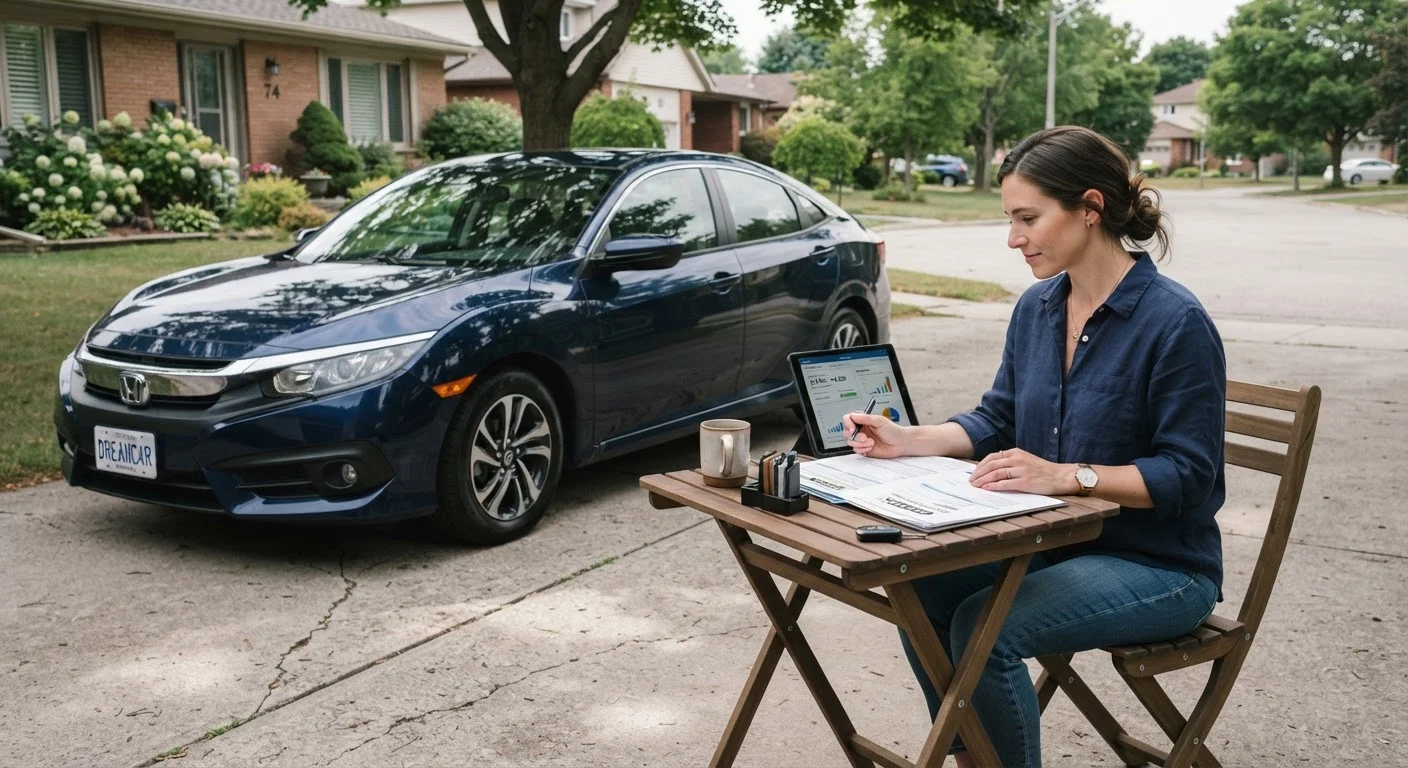
Photo credit: ExplorerGrid.com | Endless Grid Of Factual Content
In this article
Understand the factors that determine a vehicle's market value and how to set an asking price that attracts serious buyers.
Key Takeaways
- Market valuation tools give you a data-driven baseline before you set any price.
- Condition, mileage, trim level, and local demand all pull the final number up or down.
- Pricing slightly above your floor gives negotiation room without scaring off serious buyers.
- Stale listings usually signal an overpriced car, not a bad market.
- Timing your sale around seasonal demand can meaningfully affect what buyers will pay.
Why Getting the Price Right Matters
An asking price that's too high keeps your listing invisible; too low, and you leave real money on the table. The good news is that pricing a used car accurately isn't guesswork — it's a straightforward research process. Understanding how buyers evaluate value puts you in control of the negotiation before it starts.
If you're still deciding whether to sell privately or trade in at a dealership, our comparison of trade-in versus private sale lays out the financial and logistical differences in detail. And if market timing is a factor for you, see how season and model-year cycles affect prices.
Key Factors That Shape Your Car's Market Value
No single number defines what your car is worth — several variables combine to set a realistic range:
- Mileage: The national average is roughly 12,000–15,000 miles per year. Cars meaningfully above that benchmark typically price lower; well-below-average mileage can command a modest premium.
- Condition: Honest condition grading (excellent, good, fair, poor) directly affects valuation tool outputs. Minor cosmetic flaws, worn interiors, or mechanical issues each reduce the defensible price.
- Trim and options: A fully loaded trim carries more value than a base model of the same year and make. Document your trim level and any factory options before pulling valuations.
- Vehicle history: Accident history, number of previous owners, and title status (clean vs. salvage) all influence buyer confidence and market price.
- Local market supply: A common model with dozens of local listings competes on price; a rare configuration in your region may support a higher ask.
Keeping up with routine maintenance throughout ownership not only protects reliability — it gives you documented service records that justify a stronger asking price to informed buyers.
Emotional Attachment Distorts Pricing
Sellers routinely overestimate their vehicle's value because of personal history with the car — upgrades they made, how carefully they maintained it, or simply what they paid for it. Buyers don't share that history and won't pay for it. Ground your price entirely in current market data, not what you feel the car is worth to you.
How to Research and Set Your Asking Price
Follow these steps to arrive at a defensible, market-aligned number.
Gather Your Vehicle's Specifics
Before opening any valuation tool, collect the facts: year, make, model, exact trim level, mileage, transmission type, drivetrain, and a complete list of factory options. Also note the title status, number of owners, and whether you have service records. Entering incomplete or inaccurate data produces a misleading baseline.
Run Multiple Valuation Tools
No single pricing database is definitive. Check at least two or three independent sources — widely used options include Kelley Blue Book, Edmunds, and the NADA Guides. Each uses a different methodology and data set, so you'll likely see a range rather than one number. Note the private-party value specifically, not the trade-in or dealer retail figure, since you're selling independently.
Survey Active Local Listings
Search your local market for comparable vehicles — same year, similar mileage, same trim or close to it. Look at what sellers are actually asking, not just national averages. A high-demand region or a scarce configuration may support pricing at the top of your valuation range; a saturated local market may require pricing closer to the middle.
Honestly Assess Your Car's Condition
Use the condition categories in valuation tools (excellent, good, fair, poor) as described — not aspirationally. Excellent condition is genuinely rare and requires near-flawless paint, interior, and mechanics. Most privately sold vehicles fall into the good or fair category. If your car has unrepaired dents, high wear on the interior, or known mechanical issues, price it accordingly and disclose those issues upfront.
Establish Your Floor and Set Your Ask
Determine the minimum you're willing to accept — your floor — based on your research. Then set your listing price 5–10% above that floor to allow for negotiation. Make sure your ask falls within the realistic range you identified from valuation tools and local comparables. A price well outside that range, even if high, signals to buyers that you haven't done the research or aren't a motivated seller.
Reading Buyer Signals After You List
Your listing's response rate is the market talking back. If you receive multiple inquiries in the first 48–72 hours, your price is likely on target or slightly low — resist the urge to immediately reduce. If a week passes with little genuine interest, that's a signal to revisit your valuation assumptions, not just repost the same ad.
Watch for low-ball offers far below your ask: one or two is normal, but a pattern suggests the broader market isn't supporting your price. Conversely, a buyer who asks detailed mechanical questions and requests a pre-purchase inspection is a serious prospect worth engaging — don't lose them over a few hundred dollars.
For a fuller picture of how private transactions compare to dealership purchases from the buyer's side, our article on private seller vs. dealership is worth a read. Understanding what buyers weigh on the other side of the table makes you a more effective seller.
Build In a Negotiation Buffer
Most private-sale buyers expect to negotiate. Setting your initial asking price roughly 5–10% above your true minimum gives you room to come down while still landing where you need to be. Just don't price so high that serious buyers scroll past without clicking.

Author
Automotive Editorial Team
Automotive Editorial Team is the collective byline for our editorial team and contributor network. Articles published under this byline or an editorial pen name are researched, written, and reviewed according to our editorial standards for clarity, consistency, and independence before publication.
View all articles →