
Keeping Maintenance Costs Under Control Over a Vehicle's Lifetime
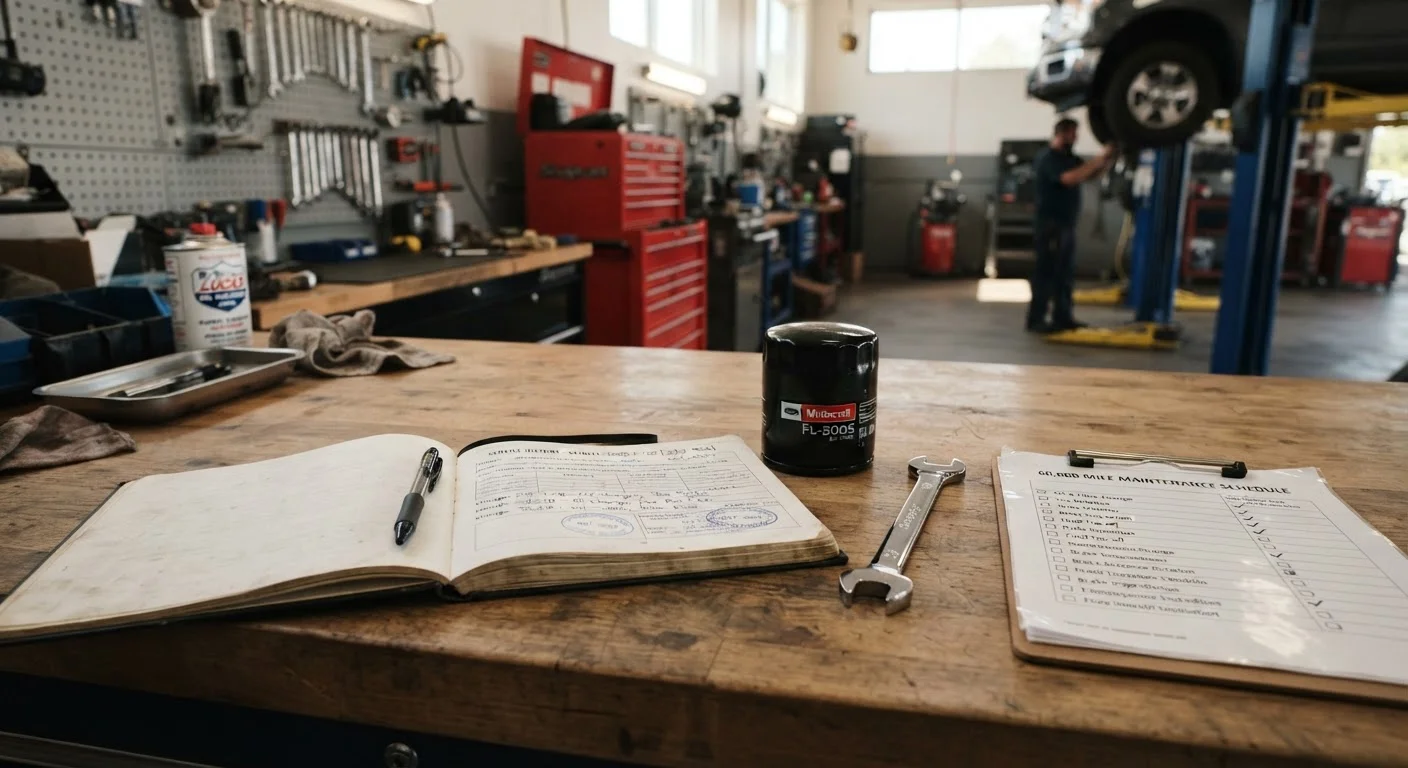
Photo credit: ExplorerGrid.com | Endless Grid Of Factual Content
In this article
Following factory schedules, understanding when to DIY vs. defer to a mechanic, and other approaches for managing upkeep spending.
Key Takeaways
- Following your factory maintenance schedule prevents expensive compounding failures that far exceed the cost of routine service.
- Building a dedicated vehicle maintenance fund — even a small monthly contribution — absorbs predictable costs without financial shock.
- Knowing which jobs you can safely handle yourself versus which require a qualified mechanic protects both your wallet and your safety.
- Tires, brakes, and fluids are the three maintenance categories most likely to generate large, avoidable repair bills when neglected.
- Tracking all service records increases resale value and helps you spot patterns before they become costly problems.
Why Lifetime Cost Thinking Changes Everything
Most drivers focus on the sticker price or monthly payment when acquiring a vehicle, but the purchase is often the smallest slice of what that vehicle will cost over its life. Fuel, insurance, registration fees, and — critically — maintenance and repairs routinely dwarf the original transaction. Understanding this from the start shifts how you allocate money and attention throughout ownership.
The good news: maintenance costs are among the most controllable expenses in the ownership picture. Unlike depreciation or insurance premiums, you have direct influence over when and how services are performed. Drivers who treat upkeep as a planned expense rather than a surprise consistently spend less over a vehicle's lifetime. For a fuller picture of where automotive budgets typically break down, see where drivers underestimate car costs.
Best Practices for Managing Vehicle Maintenance Costs
The following practices are drawn from widely accepted automotive maintenance principles. They apply across most vehicle types and ownership timelines.
Follow the manufacturer's maintenance schedule, not generic mileage myths.
Factory schedules are engineered for your specific vehicle's components, tolerances, and materials. Generic advice — like the old "change your oil every 3,000 miles" rule — often leads to unnecessary spending or, conversely, intervals that are too long for your driving conditions. Your owner's manual is the authoritative source. Learn how to actually use it by reading about your owner's manual as a maintenance resource.
Set aside a dedicated vehicle maintenance fund each month.
Treating maintenance as a surprise expense is the primary reason drivers defer service. A predictable monthly contribution — industry guidance commonly suggests $75–$150 per month depending on vehicle age and mileage — means tires, brakes, and fluid services are paid from savings rather than credit. This also removes the temptation to skip a service because of timing.
Never defer brake or tire maintenance.
Brakes and tires are the two systems most directly connected to vehicle safety, and both degrade gradually in ways that make deferral feel acceptable until it isn't. Worn brake pads that damage rotors turn a $150–$200 pad replacement into a $400–$700 rotor-and-pad job. Underinflated or worn tires increase stopping distances and failure risk. See how brake neglect compounds into safety risks for a detailed breakdown.
Keep all service records, even for work you do yourself.
A documented maintenance history serves two purposes: it helps you identify patterns (such as a component failing ahead of schedule) and it supports resale value. Buyers and dealers consistently value vehicles with verifiable service records. A simple spreadsheet or mobile app can log dates, mileage, work performed, and cost.
Know the DIY boundary — and respect it.
Some maintenance tasks are genuinely accessible to motivated owners: air filter replacements, wiper blades, cabin air filters, and battery swaps on many vehicles. Others — brake hydraulics, suspension components, timing systems, and anything involving the fuel or emissions systems — carry real injury or damage risk if performed incorrectly. Overreaching on DIY can convert a $200 shop bill into a $2,000 repair.
Address fluid maintenance on schedule, not just engine oil.
Many drivers track oil changes faithfully while ignoring transmission fluid, coolant, brake fluid, and power steering fluid — each of which degrades and can cause expensive failures when neglected. Coolant that loses its corrosion inhibitors damages the cooling system from the inside; old transmission fluid accelerates internal wear. Skipping routine maintenance rarely saves money in the long run.
Start Now: Quick Actions That Pay Off Immediately
You don't need to overhaul your entire maintenance approach today. A few targeted actions taken this week can meaningfully reduce your exposure to avoidable repair costs.
The Long View: Maintenance Across a Vehicle's Life Stages
A vehicle's maintenance needs change as it ages. In the first several years, following the factory schedule and keeping fluids fresh is usually sufficient. As mileage climbs past 60,000 miles, additional components — timing belts or chains, spark plugs, coolant, and transmission fluid — typically enter the service window. Beyond 100,000 miles, wear items like serpentine belts, hoses, and suspension components deserve closer scrutiny. The maintenance priorities for high-mileage vehicles shift meaningfully from those of a newer car.
Equally important is recognizing when professional diagnosis is worth the cost. Unusual noises, warning lights, or handling changes are not symptoms to defer. Early intervention on a developing problem almost always costs less than a full component failure. If you're unsure what a sound means, common car noises and what they indicate can help you describe the issue accurately to a mechanic. And for tasks where you're weighing whether to handle something yourself, knowing which repairs belong in your driveway provides a practical framework.
Lifetime cost control is ultimately a discipline of consistency — not heroic intervention. Small, scheduled investments in upkeep compound into meaningful savings and a vehicle that remains dependable well past the average ownership window.

Author
Automotive Editorial Team
Automotive Editorial Team is the collective byline for our editorial team and contributor network. Articles published under this byline or an editorial pen name are researched, written, and reviewed according to our editorial standards for clarity, consistency, and independence before publication.
View all articles →