
Moves That Quietly Damage Your Credit Without You Realizing
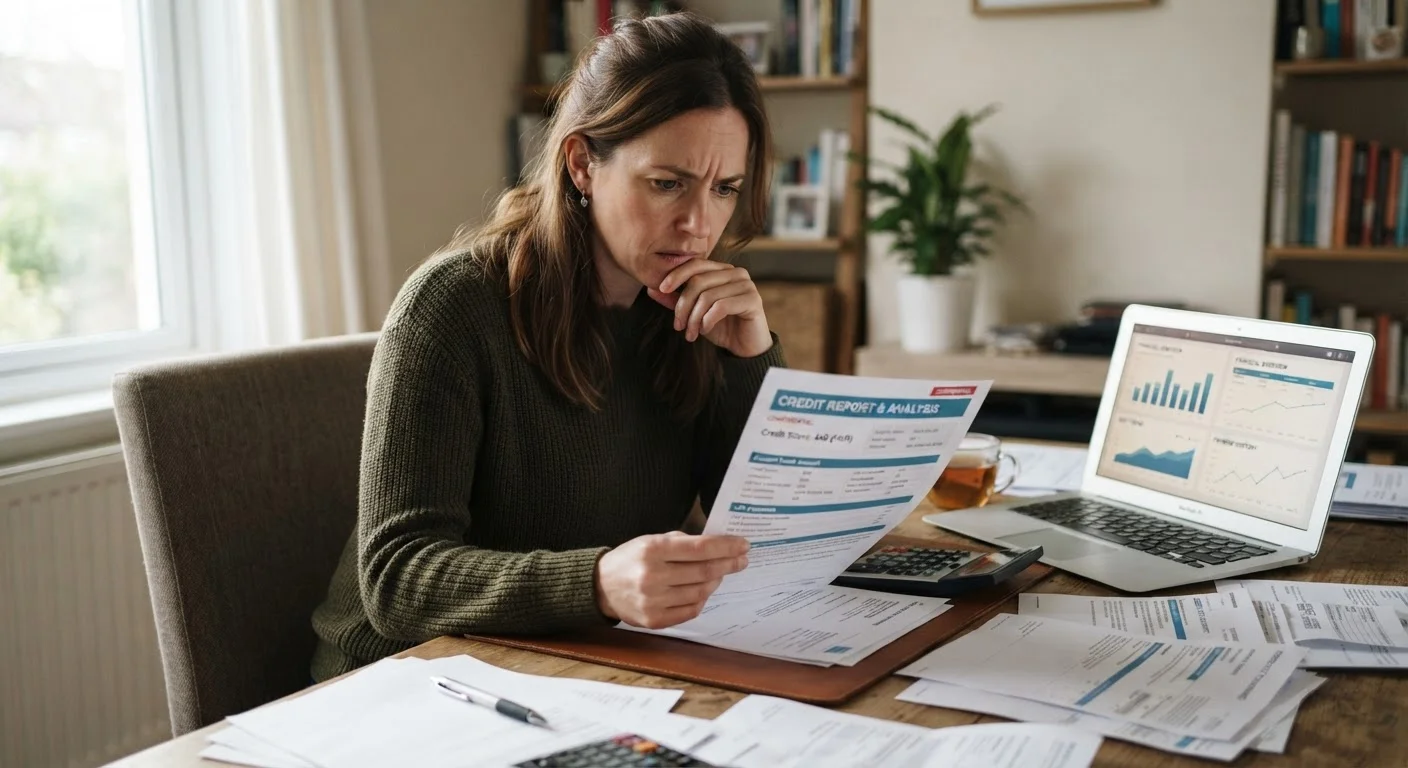
Photo credit: ExplorerGrid.com | Endless Grid Of Factual Content
In this article
Closing old cards, co-signing loans, and applying for credit too often can all hurt your score. Here's what's happening behind the scenes.
Key Takeaways
- Closing old credit cards can shrink your available credit and shorten your credit history, both of which hurt your score.
- Co-signing a loan means the debt appears on your credit report and any missed payments affect you directly.
- Applying for multiple credit accounts in a short window generates hard inquiries that can lower your score.
- Paying only the minimum on revolving debt keeps your utilization ratio high, which is a key scoring factor.
- Letting accounts go to collections — even small balances — can cause significant, lasting score damage.
Why Credit Damage Often Happens Quietly
Most people know that missing a payment or maxing out a credit card will hurt their credit score. What's less obvious is that several routine, well-intentioned financial moves can also chip away at your score without any obvious warning. Credit scoring models — the algorithms lenders use to assess risk — weigh factors that don't always match common sense. Understanding the mechanics behind them is the first step to avoiding unintentional self-sabotage.
Your credit score is shaped by five broad categories: payment history, amounts owed (including your credit utilization ratio, meaning how much of your available credit you're using), length of credit history, credit mix, and new credit inquiries. Moves that seem neutral or even responsible can negatively affect one or more of these categories.
This article is for general informational purposes only and is not personalized financial advice. Consider speaking with a qualified financial professional about your specific situation.
The Mistakes That Quietly Move Your Score
The following common missteps illustrate how everyday decisions can have unintended credit consequences — and what you can do instead.
Closing a credit card you no longer use, assuming it cleans up your financial picture.
Why it happens: An unused card can feel like clutter, and people often assume fewer open accounts looks more responsible to lenders.
Co-signing a loan for a friend or family member without understanding the full credit implications.
Why it happens: Co-signing feels like a favor rather than a financial commitment, and many people don't realize the debt appears on their own credit report.
Applying for multiple new credit accounts in a short period — cards, store financing, a personal loan — around a major purchase.
Why it happens: Consumers often shop around for financing or take advantage of retail credit offers simultaneously, not realizing each application triggers a hard inquiry.
Paying only the minimum balance on credit cards every month and assuming that's sufficient for your credit health.
Why it happens: Minimum payments keep accounts current, so they feel like a responsible strategy — but the balance stays high relative to the credit limit.
Ignoring a small unpaid balance — a forgotten gym membership, a medical co-pay, a utility bill — until it goes to collections.
Why it happens: Small balances feel inconsequential, and it's easy to lose track of them during a move or a period of financial stress.
For a deeper look at how revolving and installment accounts interact with your score, see how revolving and installment debt each shape your credit profile. And if you're curious about how utilization specifically drives score changes, credit utilization: the ratio that quietly moves your score is worth reading alongside this piece.
Protecting Your Score Before Damage Sets In
The most effective credit protection is proactive. Pull your free credit reports regularly through the officially designated source (AnnualCreditReport.com) to catch errors, unexpected collections, or accounts you don't recognize. Dispute inaccuracies with the relevant credit bureau in writing — federal law gives you this right.
Don't Assume 'Inactive' Means 'Safe'
Some credit card issuers close accounts due to prolonged inactivity — which can affect your utilization and history without you initiating the closure. If you want to keep an old card open, use it for a small recurring purchase and set up autopay to prevent it from being shuttered by the issuer. Check your account terms for the issuer's specific inactivity policy.
If your score has already taken a hit from any of the mistakes above, recovery is possible — it just requires consistency over time. Rebuilding credit after a financial setback walks through how that process typically unfolds. And if you're navigating a tight month where payments are at risk, work through this financial triage checklist before you miss a payment — acting early gives you far more options than acting after the fact.
Finally, if you believe something about credit scores that you haven't verified, it's worth a second look. Common credit score myths covers several widely held beliefs that the evidence doesn't support.

Author
Personal Finance Editorial Team
Personal Finance Editorial Team is the collective byline for our editorial team and contributor network. Articles published under this byline or an editorial pen name are researched, written, and reviewed according to our editorial standards for clarity, consistency, and independence before publication.
View all articles →