
Emergency Fund vs. Sinking Fund: Two Savings Tools with Very Different Jobs
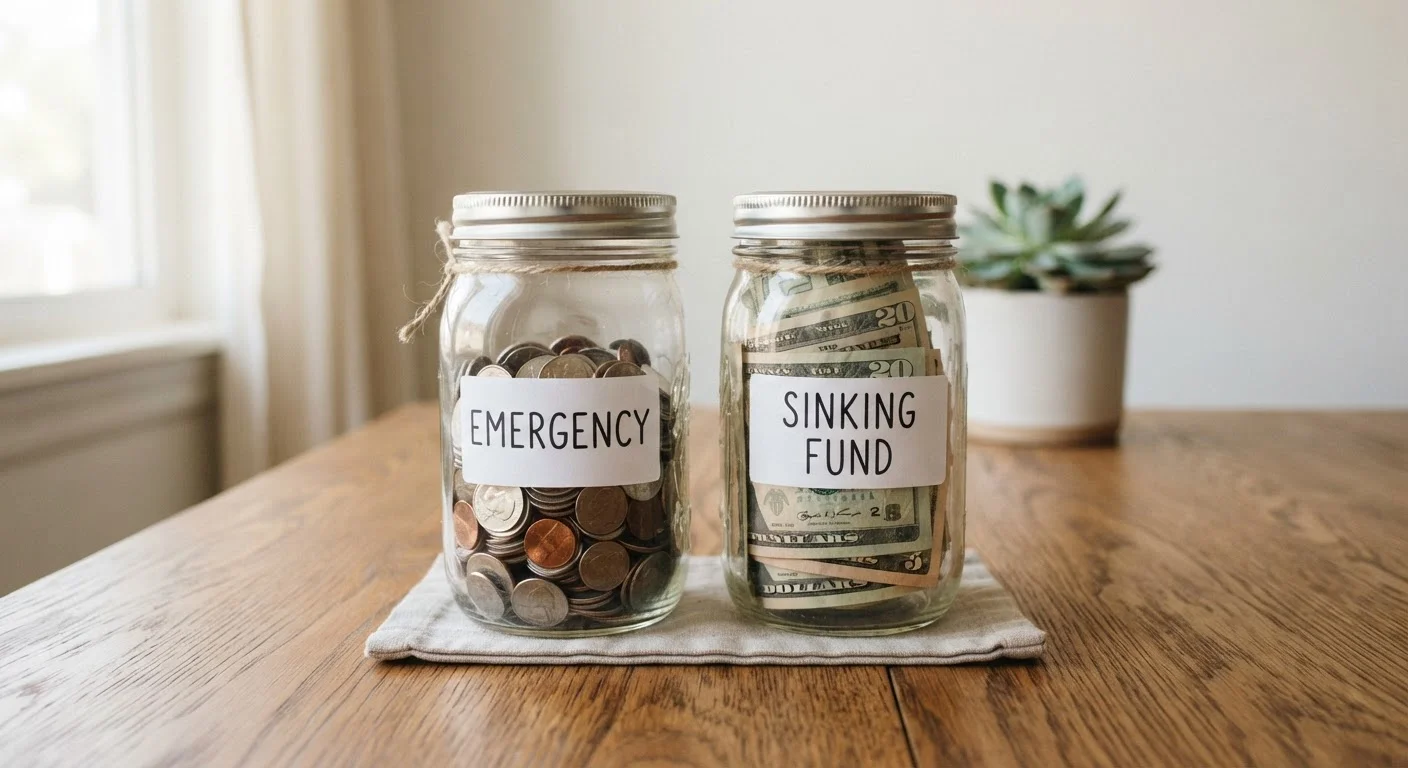
Photo credit: ExplorerGrid.com | Endless Grid Of Factual Content
In this article
Emergency funds and sinking funds serve distinct purposes. Learn how each one works and when to prioritize building them.
Key Takeaways
- An emergency fund covers unplanned, urgent expenses; a sinking fund covers planned, predictable future costs.
- Most financial educators recommend building a basic emergency fund before focusing on sinking funds.
- Sinking funds work by dividing a known future expense into smaller, regular contributions made over time.
- Both funds benefit from being held in separate, accessible accounts to avoid accidental spending.
- You can — and ideally should — maintain both types of funds simultaneously once basics are covered.
What Each Fund Is Actually For
Despite both being savings tools, an emergency fund and a sinking fund solve fundamentally different problems. Confusing them — or using one account for both purposes — often leads to under-saving for true emergencies.
An emergency fund is a reserve of liquid cash held specifically for unplanned, urgent financial shocks: sudden job loss, an unexpected medical bill, an emergency car repair, or a surprise home issue like a burst pipe. The defining characteristic is that you cannot predict when — or whether — you will need it. It is a permanent fixture in your financial life, not a goal you save toward and then spend.
A sinking fund (also called a planned expense fund) is money set aside incrementally for a known future cost. You know the expense is coming; you just spread the financial impact over time. Holiday gifts in December, a car registration due in six months, a family vacation next summer — these are sinking fund territory. Once the expense arrives, you spend the fund and start saving again for the next one. For a deeper look at how this concept reshapes day-to-day budgeting, see how sinking funds change the way you budget.
How Each Fund Works in Practice
Building an emergency fund starts with a target. Most financial educators suggest three to six months of essential living expenses — rent or mortgage, utilities, groceries, insurance, and minimum debt payments — though the right amount varies by individual circumstances such as job stability and household size. The fund should sit in a liquid, low-risk account, such as a high-yield savings account, where it earns some interest without being locked away. Once funded, the goal is to leave it untouched unless a genuine emergency arises.
A sinking fund works through simple math: take the total amount you need, divide it by the number of months (or pay periods) until the expense is due, and contribute that amount regularly. For example, if you want $1,200 set aside for holiday spending and you start in January, saving $100 per month gets you there by December. You can run multiple sinking funds simultaneously — one for car maintenance, another for travel, another for annual insurance premiums. Matching each account to a specific savings purpose can make this system easier to track and maintain.
| Criterion | Emergency Fund | Sinking Fund |
|---|---|---|
| Purpose | Unplanned, urgent expenses | Planned, predictable future costs |
| Predictability | Unknown if or when needed | Known expense and timeline |
| Target amount | 3–6 months of essential expenses | Specific cost divided over time |
| What happens after use | Replenish and keep permanently | Spend and restart for next goal |
| Number of funds | Typically one fund | Multiple funds for different goals |
| Build priority | First financial foundation | Layer on after emergency fund |
| Account type | Liquid, accessible savings | Separate labeled savings account |
Keeping each sinking fund in a separate labeled account — or at least mentally tracked as distinct — helps prevent the money from getting absorbed into general spending. Many online banks allow multiple savings sub-accounts at no cost, which makes this organizational step straightforward.
Which One Should You Build First?
The sequencing question comes up often, and the general guidance is consistent: a basic emergency fund comes first. Without it, any unexpected expense risks derailing your sinking fund contributions or landing you in debt.
That said, "first" doesn't have to mean "only." If your budget allows, you can make small contributions to both simultaneously. A common approach is to prioritize getting a starter emergency fund of roughly $1,000 to $1,500 in place — enough to handle minor emergencies — before splitting attention between growing that fund to its full target and funding sinking funds for near-term planned expenses.
When to Tap Each Fund
A good rule of thumb: if you genuinely could not have predicted or planned for an expense, the emergency fund is appropriate. If the expense was foreseeable — even if inconveniently timed — it belongs to a sinking fund category. Using your emergency fund for predictable costs gradually depletes a resource that should remain intact for true crises. If you find yourself regularly raiding your emergency fund for routine irregular expenses, that's a sign you need more sinking funds, not a bigger emergency reserve.
Once your full emergency fund is established, sinking funds become a powerful complement. Together, they reduce the reliance on credit for both predictable and unpredictable costs. For a broader view of how savings goals fit different time horizons, structuring savings around time offers a useful framework.
It's also worth noting that the pay-yourself-first approach to budgeting pairs well with both fund types — automating contributions before discretionary spending makes consistent saving far more reliable.
This article is for general informational purposes only and does not constitute personalized financial advice. Consult a qualified financial professional for guidance specific to your situation.

Author
Personal Finance Editorial Team
Personal Finance Editorial Team is the collective byline for our editorial team and contributor network. Articles published under this byline or an editorial pen name are researched, written, and reviewed according to our editorial standards for clarity, consistency, and independence before publication.
View all articles →