
Home Medication Errors Pet Owners Make—and How to Avoid Them
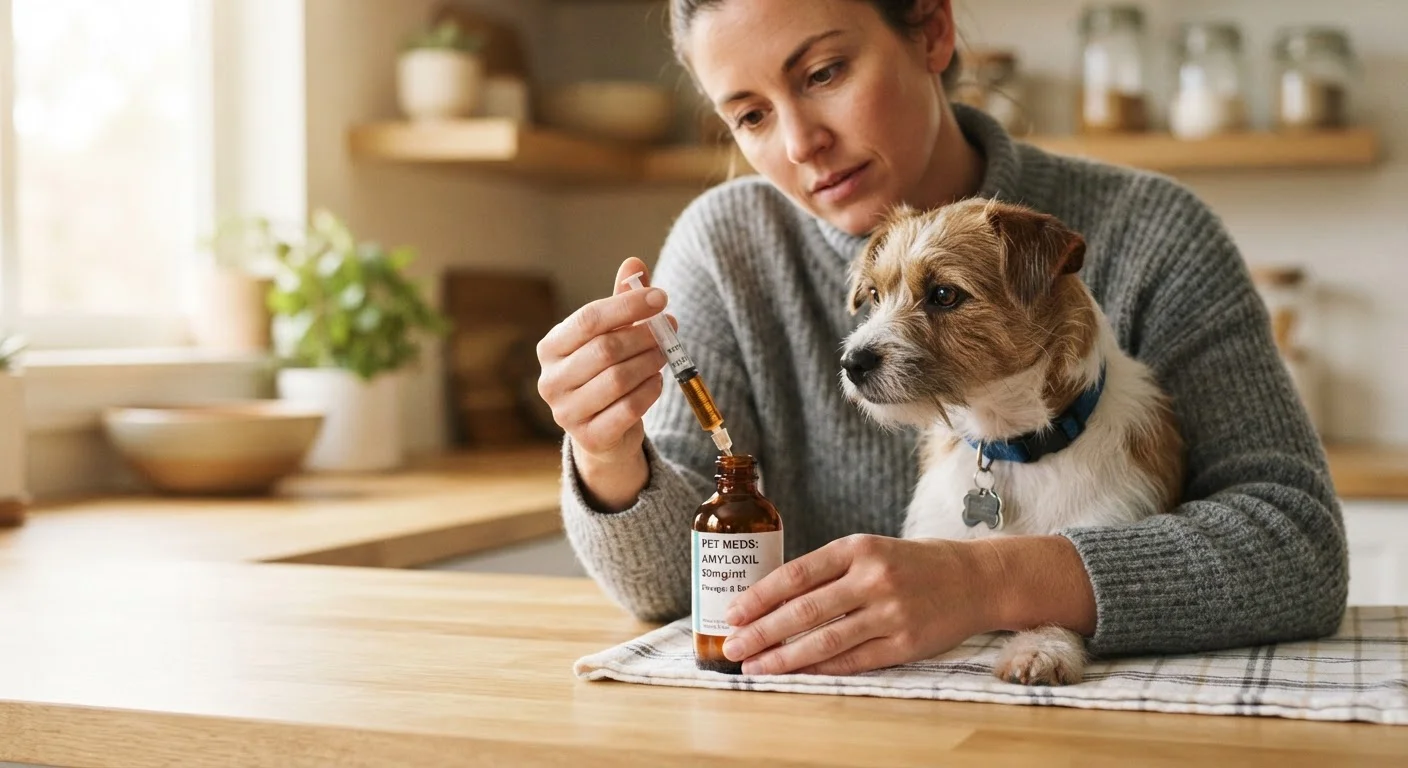
Photo credit: ExplorerGrid.com | Endless Grid Of Factual Content
In this article
From incorrect dosing to dangerous human medications, learn the most common mistakes pet owners make when administering medicine at home.
Key Takeaways
- Many common human medications are toxic to pets, even in small doses.
- Dosing errors are among the most frequent and preventable home medication mistakes pet owners make.
- Never stop a prescribed course of medication early without consulting your veterinarian first.
- Always confirm the correct formulation, route, and schedule directly with your vet or pharmacist.
- Contact a veterinarian or animal poison control immediately if you suspect a medication error has occurred.
Why Home Medication Errors Happen More Often Than You'd Think
Administering medication to a pet at home is a responsibility many owners take on without formal training. Unlike filling a human prescription at a pharmacy where a licensed pharmacist provides counseling, pet medication instructions are often brief, and owners are largely left to manage administration on their own. The result is a surprisingly common set of preventable errors — from incorrect doses to outright toxic substitutions.
Understanding where these mistakes originate is the first step toward avoiding them. Many errors stem from a combination of good intentions and incomplete information: owners want to help their pet feel better quickly and may rely on intuition or assumptions drawn from human medicine. The problem is that veterinary pharmacology is genuinely different — species, weight, age, and concurrent conditions all significantly affect how a drug behaves in an animal's body.
If you're also navigating your pet's nutrition as part of their care plan, see our overview of prescription diets vs. standard pet food for context on when diet itself functions as medicine.
Giving pets human over-the-counter medications without veterinary guidance.
Why it happens: Owners often assume that common pain relievers or antihistamines safe for people are similarly safe for pets, especially when a vet visit feels inconvenient or costly.
Estimating doses rather than measuring them precisely.
Why it happens: Pet medications often come with instructions referencing body weight, and owners may round up or down, or use household spoons instead of calibrated dosing tools.
Stopping a medication course early once the pet appears to feel better.
Why it happens: Visible improvement leads owners to believe the problem is resolved, and completing a full prescription — particularly antibiotics — can feel unnecessary.
Using a sibling pet's leftover prescription for a different animal.
Why it happens: When two pets appear to have similar symptoms, owners may repurpose medication from one to avoid a vet visit and the associated cost.
Mixing medications or supplements without checking for interactions.
Why it happens: Owners may add supplements — fish oil, joint chews, herbal products — without informing their vet, not realizing these can interfere with prescribed drugs.
Administering medication via the wrong route or method.
Why it happens: Instructions can be unclear, and owners may crush tablets meant to be swallowed whole, apply topical treatments to the wrong area, or mix oral medications into a full bowl of food the pet may not finish.
Keeping Your Pet Safe: Practical Steps for Every Household
Beyond avoiding individual errors, building safe medication habits into your routine reduces risk considerably. Store all pet medications separately from human medications — ideally in a labeled container — to prevent accidental mix-ups. Keep a written record of your pet's current medications, doses, and schedules, and bring it to every veterinary appointment.
Suspected Medication Error? Act Immediately
If your pet has received the wrong medication, an incorrect dose, or a human drug not prescribed for them, do not wait for symptoms to appear. Contact your veterinarian, an emergency animal hospital, or the ASPCA Animal Poison Control Center (888-426-4435) right away. Time is critical — early intervention significantly improves outcomes.
If your pet resists taking medication and you're tempted to improvise — crushing pills into food, for example — always confirm with your vet that the formulation allows it. Some coatings protect the drug's integrity or protect the pet's stomach lining; altering them can reduce effectiveness or cause irritation.
Households with multiple pets require particular care. Label each pet's medication clearly with their name, and never assume that what works safely for one animal applies to another. This is especially true across species: a feline-appropriate dose of certain medications can be dangerous for a dog, and vice versa.
For broader context on substances in your home that pose risks to pets, our reference on common kitchen foods toxic to pets is a useful complement to medication safety awareness. And if you're establishing care routines for a newly adopted animal, the first week home health checklist covers foundational steps including medication management from day one.
This article is for general informational purposes only and does not constitute veterinary or medical advice. Always consult a licensed veterinarian for guidance specific to your pet's health needs.

Author
Pets & Animals Editorial Team
Pets & Animals Editorial Team is the collective byline for our editorial team and contributor network. Articles published under this byline or an editorial pen name are researched, written, and reviewed according to our editorial standards for clarity, consistency, and independence before publication.
View all articles →