
Foods Commonly Found in Kitchens That Are Toxic to Pets
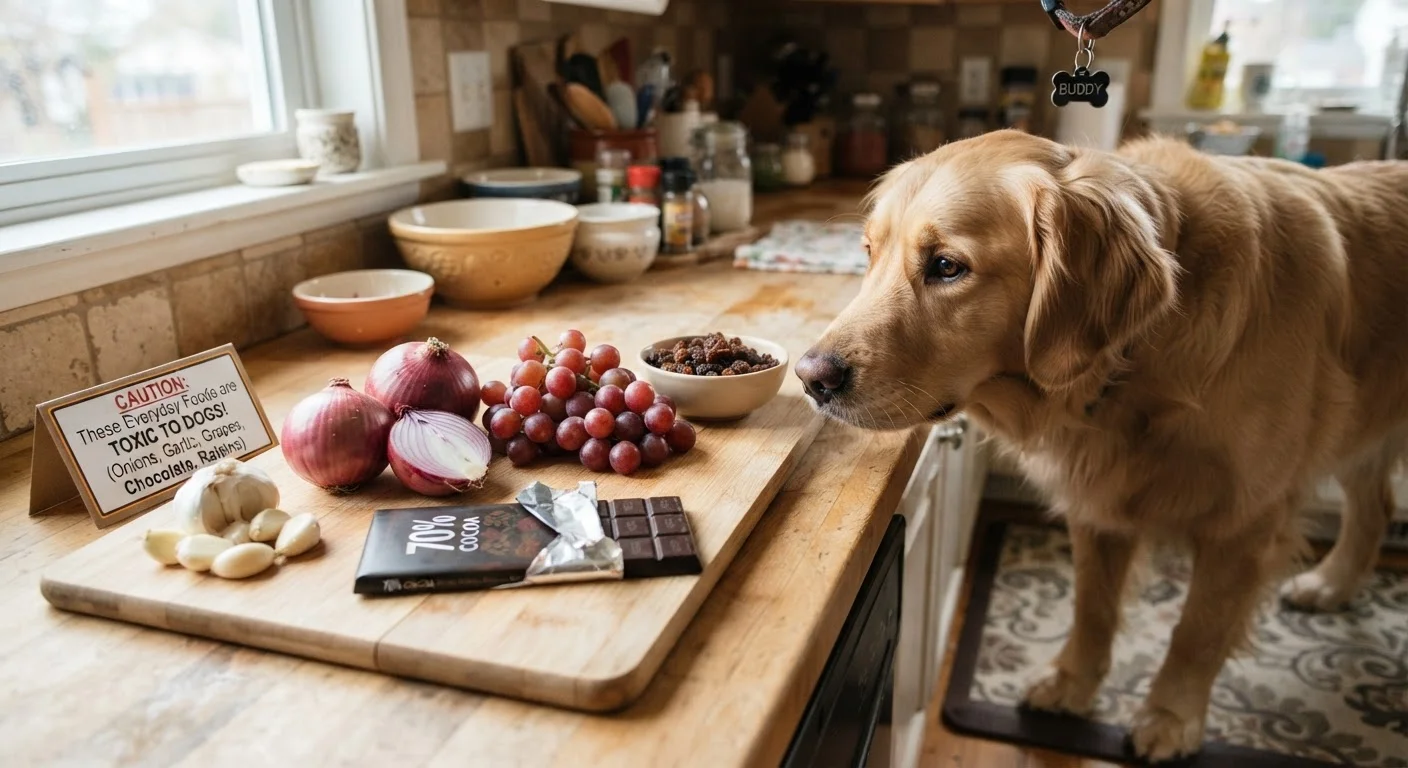
Photo credit: ExplorerGrid.com | Endless Grid Of Factual Content
In this article
A reference list of everyday human foods — from grapes to xylitol — that are dangerous for dogs and cats, with notes on why.
Why Human Foods Pose a Unique Risk to Pets
Dogs and cats metabolize food very differently than humans do. Compounds that a person can process without issue can overwhelm a pet's liver, damage red blood cells, or disrupt the nervous system. This isn't about sensitivity — it's fundamental biochemistry. Understanding which foods carry risk is one of the most practical things a pet owner can do, and it pairs naturally with broader attention to nutrition. For more on reading what's actually in your pet's food, see our guide to decoding pet food ingredient lists.
The list below covers foods most commonly found in US kitchens. It is not exhaustive, and it is not a substitute for veterinary guidance. If you suspect your pet has eaten something toxic, contact your veterinarian or the ASPCA Animal Poison Control Center (888-426-4435) immediately.
| ASPCA Poison Control Hotline | (888) 426-4435 (ASPCA Animal Poison Control Center) |
| Most reported pet toxin | Human foods and beverages (ASPCA Annual Animal Poison Control Report) |
| Safe chocolate threshold | None — all amounts carry risk (ASPCA, Merck Veterinary Manual) |
| Species most sensitive to Allium toxins | Cats, then dogs (Merck Veterinary Manual) |
| Xylitol onset of symptoms (dogs) | As fast as 30–60 minutes (ASPCA Animal Poison Control Center) |
The Most Dangerous Kitchen Foods for Dogs and Cats
Grapes and raisins — Both are associated with acute kidney failure in dogs. The exact toxic compound has not been definitively identified, which means no amount is considered safe. Even small quantities have caused fatal outcomes in some cases. Cats appear to be at similar risk, though documented cases are less common.
Onions, garlic, leeks, and chives — All members of the Allium family contain compounds called thiosulfates and disulfides, which damage red blood cells and can cause hemolytic anemia in both dogs and cats. Cats are especially sensitive. The risk applies to all forms: raw, cooked, powdered, or dehydrated — making garlic powder in seasoned foods a hidden hazard.
Chocolate — Contains theobromine and caffeine, both methylxanthines that dogs and cats cannot metabolize efficiently. Dark chocolate and baking chocolate carry the highest concentrations and pose the greatest danger. Symptoms range from vomiting and restlessness to seizures and cardiac arrhythmia.
Xylitol — This artificial sweetener, found in sugar-free gum, some peanut butters, and many baked goods, triggers a rapid insulin release in dogs that can cause life-threatening hypoglycemia. Liver failure is also documented with larger doses. Even small amounts warrant immediate veterinary attention.
Macadamia nuts — Even modest quantities cause weakness, hyperthermia, vomiting, and tremors in dogs, typically within 12 hours of ingestion. The mechanism is not fully understood, but the reaction is well-documented in veterinary literature.
Alcohol and raw yeast dough — Ethanol is toxic to pets at much lower doses than for humans. Raw dough is doubly dangerous: it expands in the stomach and produces ethanol as yeast ferments, creating both mechanical and toxic hazards simultaneously.
Avocado — The compound persin, found in the flesh, pit, skin, and leaves of avocado, can cause vomiting, diarrhea, and respiratory distress in many animals. Birds and rabbits are particularly vulnerable; dogs and cats show moderate sensitivity.
Caffeine — Coffee grounds, tea bags, energy drinks, and some medications all contain caffeine. Like theobromine, caffeine is a methylxanthine that pets cannot clear efficiently, leading to elevated heart rate, tremors, and seizures.
This article is for general informational purposes only and does not constitute veterinary medical advice. Always consult a licensed veterinarian for guidance specific to your pet's health and situation.
Building Safer Feeding Habits Around These Risks
Awareness of toxic foods is most useful when it shapes daily habits — not just emergency responses. Some common feeding routines, like sharing table scraps or allowing pets access to counters, can expose animals to these substances routinely without the owner realizing any harm is occurring. Our article on feeding habits that can quietly harm your pet addresses how even well-intentioned choices can add up over time.
A few practical steps reduce risk meaningfully:
- Keep toxic foods stored out of reach, including in sealed containers — many dogs can access countertops or open-front pantries.
- Read labels on processed and packaged human foods before allowing pets near them. Xylitol, in particular, appears under multiple names including sorbitol and birch sugar in ingredient lists.
- Treat-giving is a normal part of pet ownership, but it should stay within pet-safe boundaries. When in doubt about whether a food is appropriate, consult your veterinarian rather than relying on internet assumption.
Medication safety overlaps meaningfully with this topic as well — many human medications found in kitchens are also dangerous to pets. Our guide to home medication errors covers those risks in detail.

Author
Pets & Animals Editorial Team
Pets & Animals Editorial Team is the collective byline for our editorial team and contributor network. Articles published under this byline or an editorial pen name are researched, written, and reviewed according to our editorial standards for clarity, consistency, and independence before publication.
View all articles →