
Why Skipping Booster Shots Can Backfire—Even for Indoor Pets
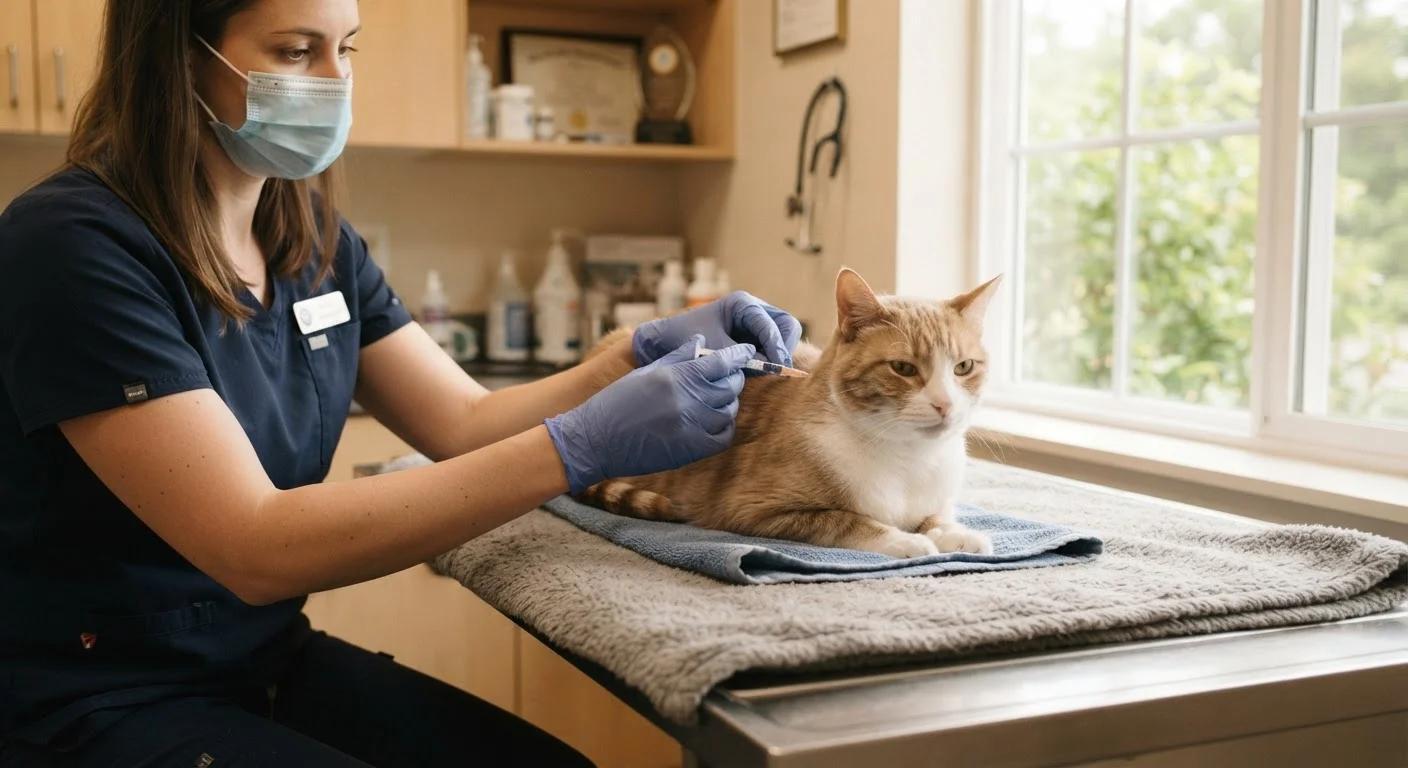
Photo credit: ExplorerGrid.com | Endless Grid Of Factual Content
In this article
Indoor pets are not risk-free. Discover why veterinarians recommend maintaining vaccine boosters regardless of how much time a pet spends outside.
Key Takeaways
- Indoor pets face real disease risks through airborne pathogens, human contact, and brief outdoor exposure.
- Immunity from vaccines wanes over time; boosters are required to maintain protective antibody levels.
- Skipping legally required vaccines like rabies can expose owners to serious legal and liability consequences.
- A pet's lifestyle and health history should shape its vaccine schedule — consult your veterinarian annually.
The 'Indoor Pet' Logic That Falls Apart Under Scrutiny
It's one of the most common conversations veterinarians have: a pet owner explains that their cat or small dog never goes outside, then asks whether booster shots are really necessary. The reasoning seems sound on the surface — no outdoor exposure, no wildlife contact, no risk. In practice, it doesn't hold up.
Pathogens don't require an animal to roam freely to find a host. Viruses like feline panleukopenia and canine parvovirus can survive in the environment for months and be tracked indoors on shoes, clothing, or hands. Even a brief trip to the vet, a groomer, or a boarding facility places a pet in contact with other animals and potentially contaminated surfaces. For cats especially, an accidental escape — however rare — can mean sudden, unprotected exposure.
Understanding the specific mistakes pet owners make when reassessing their pet's vaccine needs is the most effective way to prevent gaps in protection. Vaccination myths that vets hear all the time often underpin these decisions, and separating fact from assumption is the first step.
Assuming indoor status eliminates all disease risk.
Why it happens: Pet owners logically associate infection risk with outdoor exposure, leading them to believe a strictly indoor lifestyle provides complete protection.
Stopping boosters after the initial puppy or kitten series.
Why it happens: The early vaccine series feels conclusive — owners believe the job is done once the initial shots are complete.
Skipping the rabies booster because the pet never goes outdoors.
Why it happens: Owners view rabies as an outdoor wildlife threat and don't connect it to an indoor pet's legal or liability exposure.
Delaying boosters because the pet seems healthy.
Why it happens: Visible good health creates a false sense of security. If a pet isn't showing symptoms, owners may deprioritize preventive appointments.
Relying on herd immunity from other vaccinated pets in the household.
Why it happens: Owners with multiple pets sometimes vaccinate one and assume shared indoor space protects the others through proximity.
How to Keep Your Pet's Vaccine Protection Current
Staying on top of boosters isn't complicated, but it does require a consistent relationship with a licensed veterinarian. During a routine wellness exam, your vet will review your pet's vaccination history and recommend a schedule tailored to species, age, health status, and realistic lifestyle risk. This annual touchpoint is the safest way to ensure no booster window is missed.
Immunity From Vaccines Does Not Last Forever
Even if your pet received a full puppy or kitten vaccine series, protective antibody levels decline over time. The duration of immunity varies by vaccine type and the individual animal. Without boosters administered on a vet-recommended schedule, a previously vaccinated pet can become susceptible to the same diseases those early vaccines prevented. Do not assume childhood vaccination confers lifelong protection.
Owners should also be aware that broader health habits interact with immune function. A pet dealing with nutritional deficiencies — often linked to common feeding habits that quietly harm pets over time — may not mount as strong an immune response to vaccines. Similarly, unmanaged weight issues can affect overall health resilience; the science behind this is outlined in guidance on keeping an overweight pet healthy. Vaccine compliance is one piece of a larger preventive care picture.
If cost is a barrier, many veterinary clinics, humane societies, and local animal shelters offer low-cost vaccine clinics. The expense of a booster is a fraction of what treatment for a preventable disease typically costs — and some of those diseases, like parvovirus in dogs or panleukopenia in cats, carry high mortality rates even with aggressive care.
This article provides general educational information about pet health and is not a substitute for professional veterinary advice. Consult a licensed veterinarian to determine the appropriate vaccine schedule for your specific pet.

Author
Pets & Animals Editorial Team
Pets & Animals Editorial Team is the collective byline for our editorial team and contributor network. Articles published under this byline or an editorial pen name are researched, written, and reviewed according to our editorial standards for clarity, consistency, and independence before publication.
View all articles →