
Travel Document Essentials: A Quick-Reference Guide
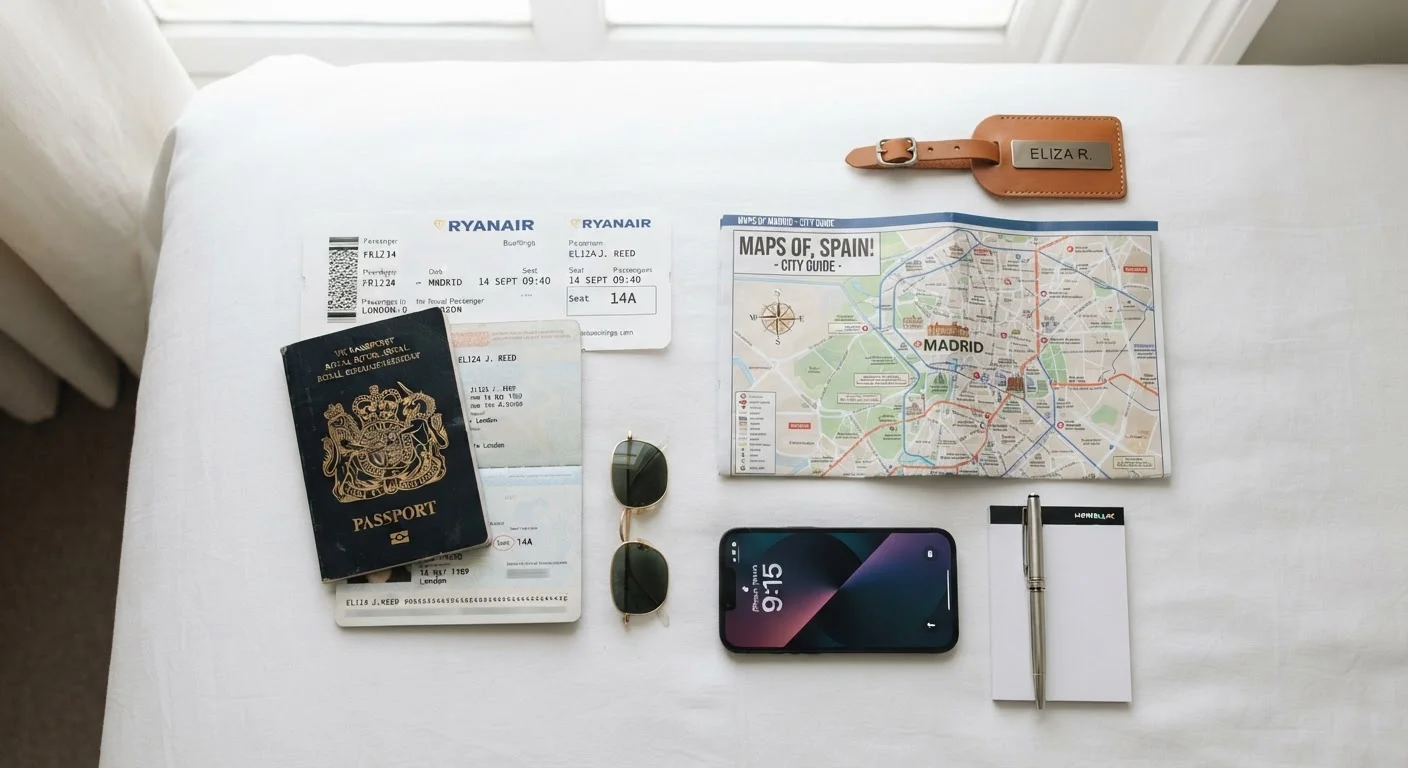
Photo credit: ExplorerGrid.com | Endless Grid Of Factual Content
In this article
Passports, visas, REAL ID, emergency contacts — a concise reference covering the documents travelers commonly need and where to verify requirements.
The Core Documents Every Traveler Should Know
Whether you're boarding a domestic flight or crossing an international border, the documents you carry determine how smoothly you move. This quick-reference guide breaks down the most common travel documents US travelers need — what they are, when they apply, and where to verify current requirements.
For a broader pre-trip checklist that covers documents alongside packing and health prep, see Your Pre-Trip Preparation Checklist.
Passport
A US passport is the gold standard identification document for international travel. It serves as proof of citizenship and identity and is required to enter most foreign countries. Standard adult passports are valid for 10 years; passports issued to travelers under 16 are valid for 5 years. Processing times can vary significantly — always apply or renew well before your travel date and check the State Department website for current timelines.
Passport Card
A passport card is a wallet-sized alternative valid for land and sea travel between the US, Canada, Mexico, the Caribbean, and Bermuda. It cannot be used for international air travel. It costs less than a full passport book, making it useful for frequent land-border crossers.
Visa
A visa is an official authorization — typically a stamp or digital record — permitting entry into a foreign country for a specified purpose and duration. Whether you need one depends entirely on your destination country and your citizenship. Many countries offer visa-free or visa-on-arrival entry to US passport holders; others require advance applications. Always verify requirements through the destination country's official embassy or consulate website before travel.
Domestic Travel: REAL ID and What's Changed
REAL ID
Starting May 7, 2025, the TSA requires a REAL ID–compliant driver's license or another acceptable form of ID (such as a passport) to board domestic commercial flights and access certain federal facilities. A REAL ID is issued by your state's DMV and is marked with a star in the upper portion of the card. If your current license is not REAL ID–compliant, contact your state DMV to learn what documents you need to upgrade it.
Trusted Traveler Program Cards
Cards issued through programs such as TSA PreCheck, Global Entry, NEXUS, or SENTRI can serve as acceptable identification at security checkpoints and border crossings, depending on the program. They also provide expedited screening lanes. Enrollment involves an application, background check, and in-person interview — apply well ahead of planned travel.
Families traveling internationally should be aware that minors may face additional documentation requirements. Traveling with Children: Planning Considerations Parents Often Miss covers what documents parents frequently overlook.
Supporting Documents and Emergency Essentials
Travel Insurance Documentation
If you purchase travel insurance, carry a printed or offline digital copy of your policy number, the insurer's emergency contact line, and your coverage summary. In a medical or logistical emergency abroad, these details become critical quickly.
Copies and Digital Backups
Make two photocopies of your passport data page, visa, travel insurance card, and any critical prescriptions. Leave one set with a trusted contact at home; keep the other separate from your originals. Store digital copies in a secure, password-protected location accessible from any device.
Emergency Contact List
Carry a handwritten or printed emergency contact list that includes: the nearest US embassy or consulate at your destination, your travel insurance emergency line, your primary care provider's number, and at least two personal contacts. Do not rely solely on your phone — battery failure or theft can leave you without access at the worst moment.
For medications that require documentation at borders, see Traveling With Medications: What You Need to Know Before You Go. And for apps that help you organize and track all of this before departure, Travel Planning Tools Worth Knowing About is a solid starting point.
This article provides general travel information only. Entry requirements, visa rules, and identification standards change frequently. Always verify current requirements directly with official government sources — including the US Department of State and the destination country's embassy or consulate — before you travel.

Author
Travel & Trips Editorial Team
Travel & Trips Editorial Team is the collective byline for our editorial team and contributor network. Articles published under this byline or an editorial pen name are researched, written, and reviewed according to our editorial standards for clarity, consistency, and independence before publication.
View all articles →