
Traveling with Children: Planning Considerations Parents Often Miss
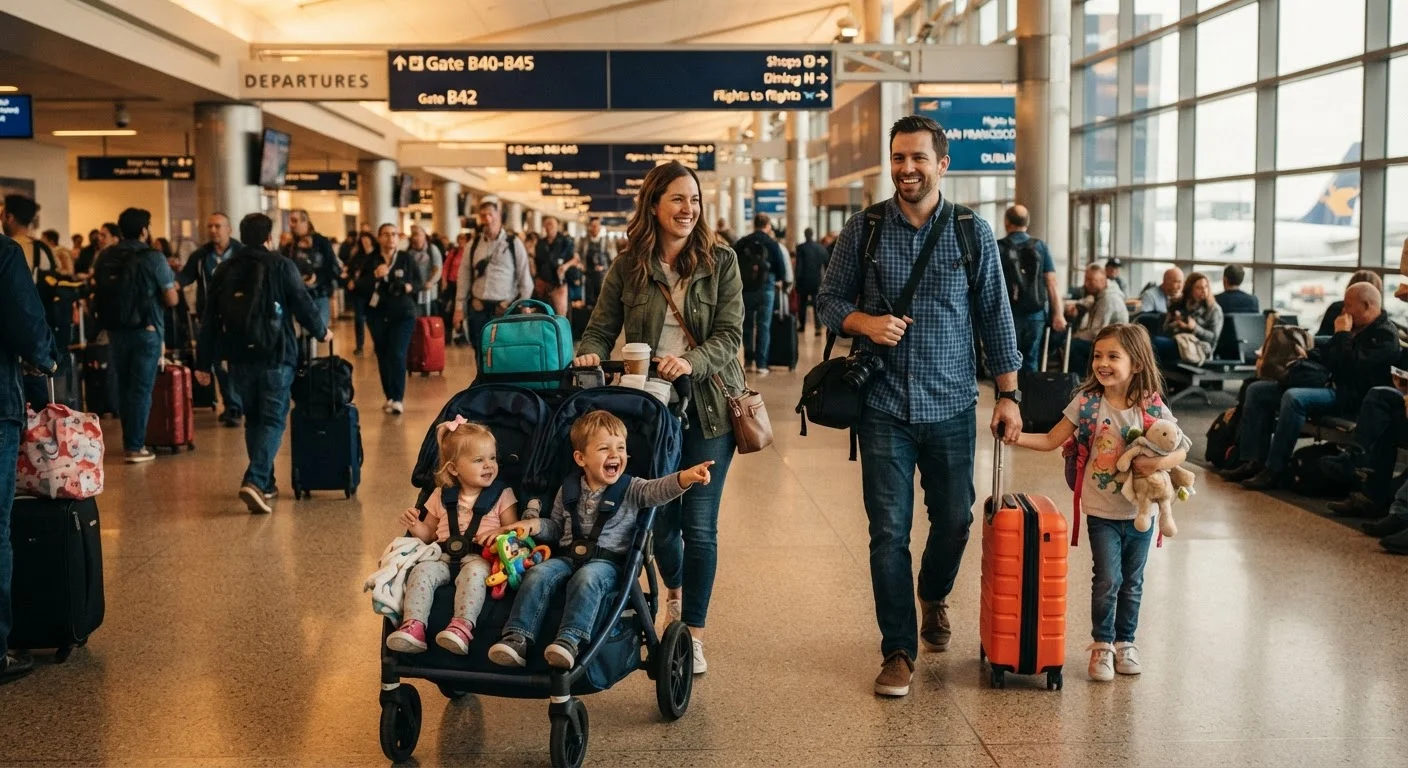
Photo credit: ExplorerGrid.com | Endless Grid Of Factual Content
In this article
Family travel requires extra planning layers—from pacing and nap schedules to documentation and health prep. Here's what gets overlooked most often.
Key Takeaways
- Children's travel documents have unique requirements, including consent letters for solo-parent trips.
- Over-scheduling is the single most common family travel mistake — build in genuine downtime.
- Health and medication prep for kids requires more lead time than most parents expect.
- Packing for children means planning for the unexpected, not just the predictable.
Why Family Travel Demands a Different Planning Framework
Traveling with children is genuinely rewarding — and genuinely different from any other kind of trip. The logistics that work fine for adults can completely unravel with kids in tow. Most family travel frustrations aren't caused by bad luck; they stem from applying an adult planning template to a very non-adult situation.
A solid foundation helps enormously. If you haven't already, reviewing the core stages of trip planning gives you a useful scaffold — then you layer the child-specific considerations on top. That's where most parents miss critical steps.
5 years
US passport validity for children under 16
The US Department of State issues passports valid for only five years to applicants under age 16, compared to ten years for adults.
2–3 months
Recommended lead time for pediatric travel health visit
The CDC recommends scheduling a pre-travel health consultation at least four to six weeks before departure, with more time needed for multi-dose vaccines.
The Most Common Planning Mistakes Parents Make
The mistakes below aren't about forgetting the sunscreen. They're the structural errors that show up in the planning phase — weeks or months before departure — and create real problems on the road.
Treating a child's schedule like an adult's and building a packed itinerary with back-to-back activities.
Why it happens: Parents are excited to maximize the trip and often plan based on what they'd want, forgetting that children — especially under age seven — have much shorter engagement windows and still need rest.
Assuming a child's passport, consent documents, or ID needs are the same as an adult's.
Why it happens: Document requirements for minors are frequently more complex than for adults, and many parents don't realize a notarized consent letter may be required when only one parent is traveling.
Skipping or delaying the pediatric health consultation before an international trip.
Why it happens: Parents assume childhood vaccines are already up to date and that no extra prep is needed, especially for short trips.
Underpacking for the unexpected — especially clothing changes, snacks, and comfort items.
Why it happens: Parents trying to pack light (a genuinely good instinct) sometimes cut too deep on kid-specific supplies without realizing how quickly situations escalate.
Failing to prepare children mentally and emotionally for what the trip involves.
Why it happens: Adults focus on logistics and assume kids will simply adapt. Children, especially younger ones, do much better with realistic previews of what's coming.
One underrated resource: a pre-departure checklist built specifically to catch the overlooked items. Run through it with your children's needs explicitly in mind — it reads differently when you're scanning it as a parent.
Verify Children's Documents Early
Children's passports are valid for only five years (versus ten for adults), and some destinations require additional documentation when a child travels with only one parent or a non-parent guardian. Processing times can be lengthy, so start at least three to four months before departure. Always verify current requirements through official government sources, as rules change without much notice.
Health, Safety, and Documentation: The Non-Negotiables
Don't Skip the Pre-Trip Health Check
Pediatric vaccination requirements and recommendations vary significantly by destination and a child's age. Some vaccines require multiple doses given weeks apart, making last-minute preparation impossible. Schedule a visit with your child's healthcare provider well before the trip — ideally two to three months out — to discuss destination-specific health guidance. This is especially important for international travel.
Beyond vaccinations, think through what happens if a child gets sick mid-trip. Know the basic healthcare access situation at your destination, carry copies of insurance cards and any prescription documentation, and have a plan for contacting your child's pediatrician remotely if needed. For a closer look at managing medications across any trip, see traveling with medications.
Safety on the ground matters too — especially in destinations that are unfamiliar or that involve outdoor activities. If a national park or wilderness area is on your itinerary, first-timer park planning guidance highlights conditions that catch adults off guard, let alone children.
This article is for general informational purposes only and does not constitute medical or legal advice. Always consult qualified healthcare and legal professionals for guidance specific to your family's situation and travel destination.

Author
Travel & Trips Editorial Team
Travel & Trips Editorial Team is the collective byline for our editorial team and contributor network. Articles published under this byline or an editorial pen name are researched, written, and reviewed according to our editorial standards for clarity, consistency, and independence before publication.
View all articles →