
Solo Travel Planning from the Ground Up
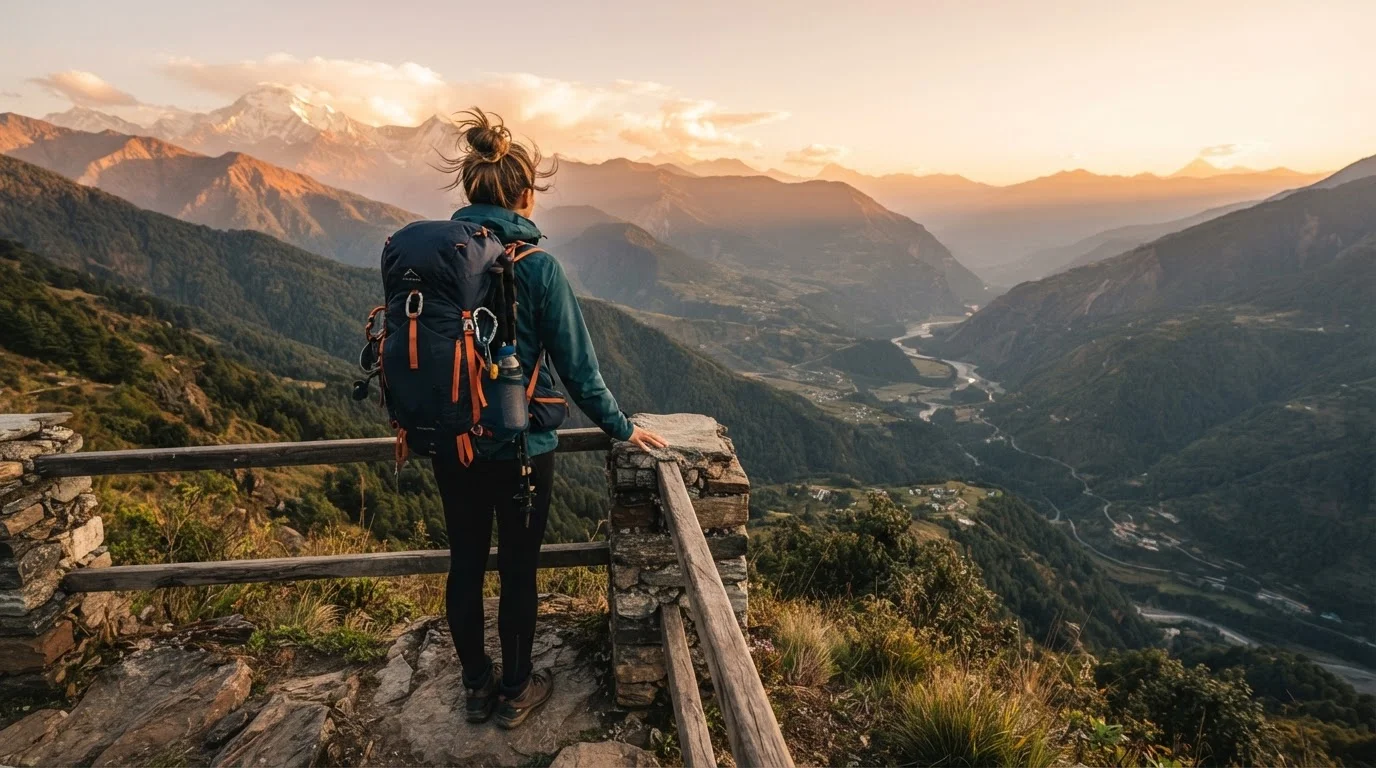
Photo credit: ExplorerGrid.com | Endless Grid Of Factual Content
In this article
Everything first-time solo travelers need to know: choosing a destination, managing logistics, staying safe, and building confidence on the road.
Key Takeaways
- Start with a destination that matches your comfort level, not someone else's adventure wish list.
- A simple planning framework — destination, logistics, safety, money — prevents most first-timer mistakes.
- Sharing your itinerary with a trusted contact is one of the most important safety steps you can take.
- Flexibility within a structured plan is the sweet spot for solo travelers.
- Confidence on the road grows incrementally with each decision you make independently.
Choosing Your First Solo Destination
The single biggest planning mistake first-time solo travelers make is choosing a destination based on what looks impressive on social media rather than what actually fits their current comfort level. A great first solo destination is one where logistics are manageable, the environment feels approachable, and you're genuinely excited to be there.
Start by asking yourself a few honest questions: How comfortable are you navigating public transportation in an unfamiliar place? Do you need English-language signage to feel oriented? Are you drawn to cities, nature, or a mix of both? Your answers will narrow the field quickly.
Domestic destinations are a genuinely smart starting point. The US Destinations hub covers a wide range of regional options — from coastal cities to wide-open national parks — so you can find something that matches both your interests and experience level. If you're drawn to cultural richness with built-in regional variety, the American South as a travel destination is a strong option worth exploring.
For international trips, look for places with strong tourism infrastructure, reliable transportation, and clear entry requirements. Always verify visa rules and travel advisories through official government sources before committing — those details change, and no article can substitute for up-to-date official guidance.
Travel advisory
An official government warning or notice about safety, health, or entry conditions at a specific destination. Always check these through your government's official foreign affairs website before travel.
Itinerary
A written plan of your trip that includes destinations, accommodation details, transport arrangements, and key activities organized by date.
Travel insurance
A type of insurance that can cover trip cancellations, medical emergencies, lost luggage, and other unexpected travel-related costs. Coverage varies widely by policy.
Contingency buffer
An extra percentage of your travel budget set aside to cover unexpected costs, such as emergency transport, accommodation changes, or medical expenses.
Tourism infrastructure
The network of transportation, accommodation, signage, and visitor services that makes a destination accessible and navigable for travelers.
Building Your Planning Framework
Solo travel planning doesn't have to be complicated, but it does need to be intentional. Think of it in four layers: destination research, logistics, safety preparation, and money management. Work through each layer before departure and you'll avoid the vast majority of first-timer headaches.
Start with a realistic itinerary — one that balances must-see experiences with genuine breathing room. The guide to building a travel itinerary that actually works walks through how to structure your days without over-scheduling. Solo travelers tend to move at their own pace, which is one of the format's real pleasures — lean into it.
Organizing your documents, bookings, and on-the-ground logistics early saves significant stress later. The pre-trip preparation checklist is a practical tool for making sure nothing slips through the cracks — from passport validity to confirming accommodations. If you want to go deeper on coordination tools, travel planning tools worth knowing about covers apps and organizational methods worth having in your toolkit.
Staying Safe and Connected
Safety as a solo traveler is less about avoiding danger and more about reducing unnecessary risk through smart habits. The most important thing you can do before departure is share a detailed itinerary — including accommodation addresses, flight numbers, and a rough daily plan — with at least one trusted person at home. Check in regularly, even just a quick message confirming you've arrived somewhere safely.
Research your destination's local norms and any neighborhoods or situations worth avoiding. General awareness — knowing where your accommodation is relative to transit, keeping valuables out of sight, not broadcasting your solo status unnecessarily — goes a long way.
Share Your Itinerary Before You Leave
Give at least one trusted person a printed or digital copy of your full itinerary — flights, accommodation addresses, and a rough daily plan. Agree on a simple check-in schedule so they know when to expect to hear from you. This one habit is one of the most effective safety measures any solo traveler can adopt.
Connectivity matters both for safety and convenience. International SIM cards, roaming plans, and portable Wi-Fi devices are all viable options depending on your destination and trip length. Identify your connectivity plan before you land, not after. The traveler's pre-departure checklist includes communication prep as part of its full framework.
Managing Money and Logistics
One practical reality of solo travel: you won't be splitting accommodation costs. Factor that into your budget from the start and research typical costs in your destination rather than working from vague assumptions. Build in a contingency buffer — something in the range of 10–20% of your projected spend is a reasonable cushion for unexpected expenses.
Notify your bank before international travel to avoid card blocks. Understanding how your cards work abroad — including fees for foreign transactions and cash withdrawals — saves unpleasant surprises. The guide to keeping your finances safe while traveling abroad covers common financial pitfalls, including currency exchange traps worth knowing about before you go.
Accommodation choice matters more when you're traveling solo. Different formats suit different trip styles and budgets, and each comes with its own social dynamic. The overview of accommodation types lays out what hotels, hostels, vacation rentals, and home exchanges each offer, so you can choose based on what actually fits your needs.
Building Confidence as You Go
Confidence in solo travel isn't something you arrive with — it's something you build in real time, one small decision at a time. Successfully navigating an unfamiliar transit system, ordering a meal in a language you barely speak, or finding your way back to your accommodation after taking a wrong turn: each moment adds up. That accumulation is exactly what makes solo travel so rewarding for so many people.
Embrace a degree of flexibility in your approach. Some of the most memorable solo travel experiences come from unplanned detours and spontaneous conversations. The comparison of fixed vs. flexible travel styles can help you find the right balance between structure and openness for your personality and destination.
For broader travel tips that apply throughout your trip — not just before departure — the Travel Tips hub is a reliable ongoing resource. Solo travel is one of the most genuinely formative ways to explore the world. The planning investment upfront is what makes the freedom on the road feel earned.
Frequently Asked Questions

Author
Travel & Trips Editorial Team
Travel & Trips Editorial Team is the collective byline for our editorial team and contributor network. Articles published under this byline or an editorial pen name are researched, written, and reviewed according to our editorial standards for clarity, consistency, and independence before publication.
View all articles →