
Travel Budgeting: A Framework for Estimating Real Trip Costs
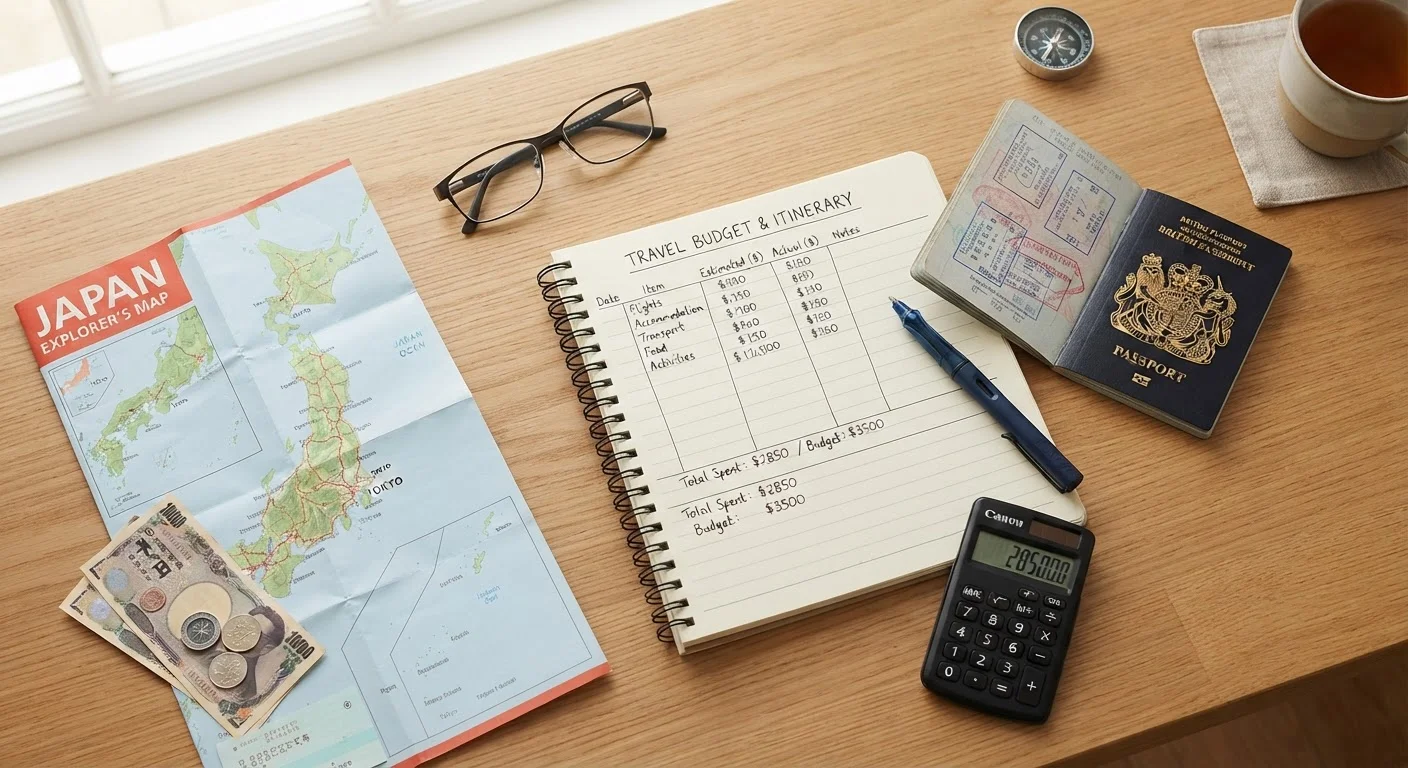
Photo credit: ExplorerGrid.com | Endless Grid Of Factual Content
In this article
Learn how to map out transportation, accommodation, food, activities, and buffer costs to build a realistic trip budget before you book anything.
Key Takeaways
- Break your trip budget into five categories: transportation, accommodation, food, activities, and a contingency buffer.
- Estimate each cost category separately before combining them into a total trip figure.
- A 10–15% buffer on top of your estimate helps absorb surprise expenses and fees.
- Hidden costs like resort fees and baggage charges can significantly inflate your real spend.
- Tracking your actual spending during the trip keeps you aligned with your plan.
Why Most Trip Budgets Fall Short
The gap between what travelers expect to spend and what they actually spend is rarely random — it follows a predictable pattern. People tend to estimate the big, obvious costs (flights, hotel) with reasonable accuracy, then dramatically undercount the accumulating smaller ones: daily meals, local transport, activity fees, and the parade of incidental charges that show up on credit card statements after you're home.
A structured framework fixes this by forcing you to estimate every category before you book anything. Think of it as the travel equivalent of what household budgeting does for monthly finances — it makes the invisible visible so you can make deliberate choices rather than reactive ones.
Prices and Availability Change — Verify Before Booking
All cost estimates in this framework are starting points for research, not guarantees. Airfare, hotel rates, and activity prices fluctuate based on season, demand, and booking timing. Always verify current prices directly with providers before finalizing your budget or making reservations.
What You'll Need Before You Start
You don't need to have every detail locked in, but you do need a few anchors to make your estimates meaningful.
What you will need
With those in hand, you're ready to build a category-by-category estimate. The tools below will help you structure and track the work.
Spreadsheet (Google Sheets or Excel)
Create a structured budget template with separate columns for estimated and actual costs across each category.
Budgeting or travel planning app
Track spending in real time during the trip and compare it against your pre-trip estimates.
Flight and hotel search tools
Research realistic price ranges for transportation and accommodation before committing to numbers.
The Five-Category Budget Framework
Every realistic trip budget covers the same five categories: transportation, accommodation, food and drink, activities, and a contingency buffer. Work through each in order using the steps below.
Estimate Your Transportation Costs
Transportation is usually the largest single line item. Start by researching your primary mode of travel — flights, train, or driving. For flights, look up round-trip fares for your target dates to get a realistic baseline. For road trips, calculate fuel cost using your vehicle's miles-per-gallon rating and current average fuel prices along your route. Our road trip planning guide covers route distance estimation in detail.
Don't stop at the main fare. Add in airport parking or rideshare to/from the airport, any checked baggage fees, and local transportation at your destination — rental cars, transit passes, or rideshares.
Price Out Accommodation
Multiply your per-night rate by the number of nights, then add taxes and fees — these are often not shown in the headline price. A hotel listing $120/night can easily total $160 after resort fees and occupancy taxes. Search for your destination's typical nightly rate across a few lodging types (hotel, vacation rental, hostel) to set a realistic range before you commit to a number.
Estimate Daily Food and Drink Costs
Multiply your expected daily food spend by the number of trip days. A useful approach: decide roughly how many meals per day you'll eat at restaurants versus self-catering, then estimate a per-meal cost based on the destination's price level. A casual sit-down lunch in a mid-size US city runs differently than a meal in a major tourist-heavy metro.
Include coffee, snacks, and any alcohol in your estimate — these add up faster than most travelers expect. Budget $50–$100 per person per day as a rough mid-range starting point for US destinations, then adjust based on your research.
List Activities and Attractions
Write out every activity you're genuinely planning to do, then look up the actual admission cost for each. Theme parks, guided tours, museum entry, national park passes, and day trips all carry real price tags. Total them up rather than guessing. This is where having a draft itinerary pays off — vague plans produce vague (and usually underestimated) budgets.
Add a Contingency Buffer
Once you have subtotals for all four categories above, add 10–15% on top of the combined figure. This buffer covers expenses you didn't anticipate: a weather-delayed night, a medical copay, an irresistible local experience, or a parking ticket. Hidden costs are a consistent blind spot for travelers — our article on hidden trip costs details the most common ones worth factoring in early.
Track Spending During the Trip
A budget that lives only in your pre-trip notes doesn't help you mid-trip. Log actual expenses as you go — either in a budgeting app or a simple notes document — so you can see whether you're running ahead or behind. If you're over in one category by Day 3, you still have time to adjust. Our overview of travel planning tools includes options for tracking spend on the go.
Build Your Itinerary and Budget Together
Your daily plan directly shapes your daily spend. Before finalizing numbers, sketch out a rough itinerary so you know how many restaurant meals, transit rides, and entry fees you're actually dealing with. Our itinerary planning guide can help you structure days that don't blow the budget by accident.
Putting It All Together
Once you've worked through all six steps, you have a total trip estimate that reflects actual research rather than wishful thinking. Compare it against your available funds — if there's a gap, you have clear levers to adjust: fewer nights, fewer restaurant meals, or a destination with lower activity costs.
If you're tracking household finances alongside travel savings, you may find it useful to apply the same discipline covered in our spending tracking guide to keep both goals moving forward simultaneously.
The most important mindset shift: a trip budget isn't a constraint on fun — it's the thing that makes the fun sustainable. Knowing your numbers going in means you can enjoy spending within them, rather than wincing at your bank statement when you get home.

Author
Travel & Trips Editorial Team
Travel & Trips Editorial Team is the collective byline for our editorial team and contributor network. Articles published under this byline or an editorial pen name are researched, written, and reviewed according to our editorial standards for clarity, consistency, and independence before publication.
View all articles →