
Planning a US National Park Trip: What First-Timers Consistently Overlook
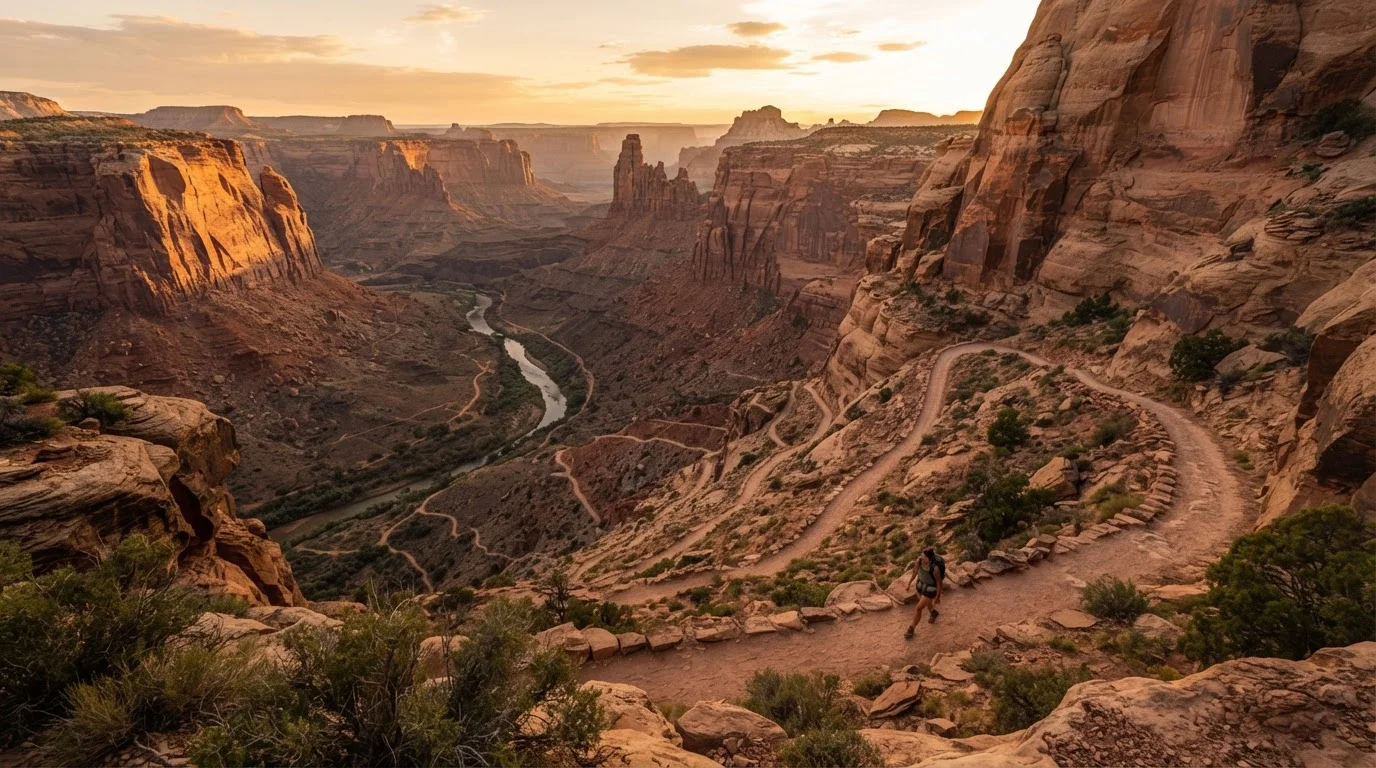
Photo credit: ExplorerGrid.com | Endless Grid Of Factual Content
In this article
Timed entry, permit systems, shoulder seasons, and cell dead zones—here's what catches visitors off guard and how to avoid common planning pitfalls.
Key Takeaways
- Many popular parks now require timed-entry reservations that sell out weeks or months in advance.
- Cell service is often nonexistent inside parks — download offline maps before you leave home.
- Shoulder season visits can mean far fewer crowds without sacrificing scenery or trail access.
- Permit systems for iconic hikes like Half Dome and The Wave require separate planning from your park entry.
- America the Beautiful annual passes can significantly reduce per-vehicle entrance fees across multiple parks.
Why National Park Trips Catch First-Timers Off Guard
US national parks draw tens of millions of visitors each year, and for good reason — from the geothermal theatrics of Yellowstone to the cathedral forests of Olympic, these places are genuinely unlike anything else in the world. But the same popularity that makes them beloved also makes them logistically complex in ways that casual trip planners rarely anticipate.
Most first-timers think planning a park visit means booking a nearby hotel and showing up at the gate. That worked decades ago. Today, many parks have layered reservation systems, permit lotteries, and infrastructure that hasn't scaled with demand. The result: visitors who've driven hours arrive to find parking lots full, trails closed, or their coveted hike unavailable without a permit they didn't know existed.
Getting a handle on the planning landscape before you commit to dates is the smartest move you can make. Our guide to the core stages of trip planning walks through how this kind of layered research pays off across any destination — parks included.
Assuming you can simply drive in without a reservation.
Why it happens: Most people book accommodations and flights but don't realize the park entrance itself now requires a separate timed-entry reservation at many high-demand sites.
Missing permit lotteries for iconic trails.
Why it happens: Hikes like Half Dome cables, The Wave in Vermilion Cliffs, and Angels Landing in Zion use separate permit systems entirely distinct from park entry — most first-timers discover this too late.
Relying on cell service for navigation inside the park.
Why it happens: Travelers assume coverage that works in cities will work in remote landscapes. In reality, vast stretches of most national parks have no signal at all.
Underestimating altitude, distance, and trail difficulty.
Why it happens: Trail distances look manageable on maps, but elevation gain, sun exposure, and rocky terrain make mileage far more demanding than a flat urban walk of the same length.
Visiting only at peak summer dates without considering shoulder seasons.
Why it happens: Summer vacation schedules drive the instinct to go in July and August, which happen to be the most congested weeks at nearly every popular park.
Smarter Strategies to Put Into Practice
Avoiding these mistakes isn't complicated — it just requires starting earlier than feels necessary and treating the park's official website as your primary source rather than a travel blog's summary of it.
325M+
Annual national park visits in the US
The National Park Service reports visits regularly exceeding 300 million per year, with the most popular parks seeing tens of millions each individually.
63
Designated national parks in the US
As of the most recent NPS count, the US has 63 national parks — plus hundreds of additional monuments, recreation areas, and historic sites under NPS management.
$80
America the Beautiful annual pass cost
The interagency annual pass covers entrance fees at all NPS sites and many other federal lands for one year, often paying for itself in a single multi-park trip.
One of the most effective moves first-timers can make is rethinking timing. Peak summer weeks (late June through August) at iconic parks like Zion, Arches, and Yosemite are genuinely gridlocked. Visiting in May, September, or early October often means the same scenery with dramatically thinner crowds and cooler hiking temperatures. If flexibility is an option, comparing fixed versus flexible travel styles can help you decide how much structure your park trip actually needs.
For families, the planning stakes are even higher — pacing, shade, water access, and kid-appropriate trails require their own checklist. The planning considerations parents often miss article covers this territory in detail. And if your itinerary includes a mix of wilderness parks and city-adjacent sites, check the pre-trip checklist for urban national parks — Golden Gate and Gateway operate very differently from backcountry parks.
Building a realistic daily itinerary matters here too. Distances inside parks can be deceptive, and trail conditions change. See how to structure an itinerary that actually works for practical pacing advice that translates directly to park trips.

Author
Travel & Trips Editorial Team
Travel & Trips Editorial Team is the collective byline for our editorial team and contributor network. Articles published under this byline or an editorial pen name are researched, written, and reviewed according to our editorial standards for clarity, consistency, and independence before publication.
View all articles →