
Before You Visit a US Urban National Park: A Practical Pre-Trip Checklist
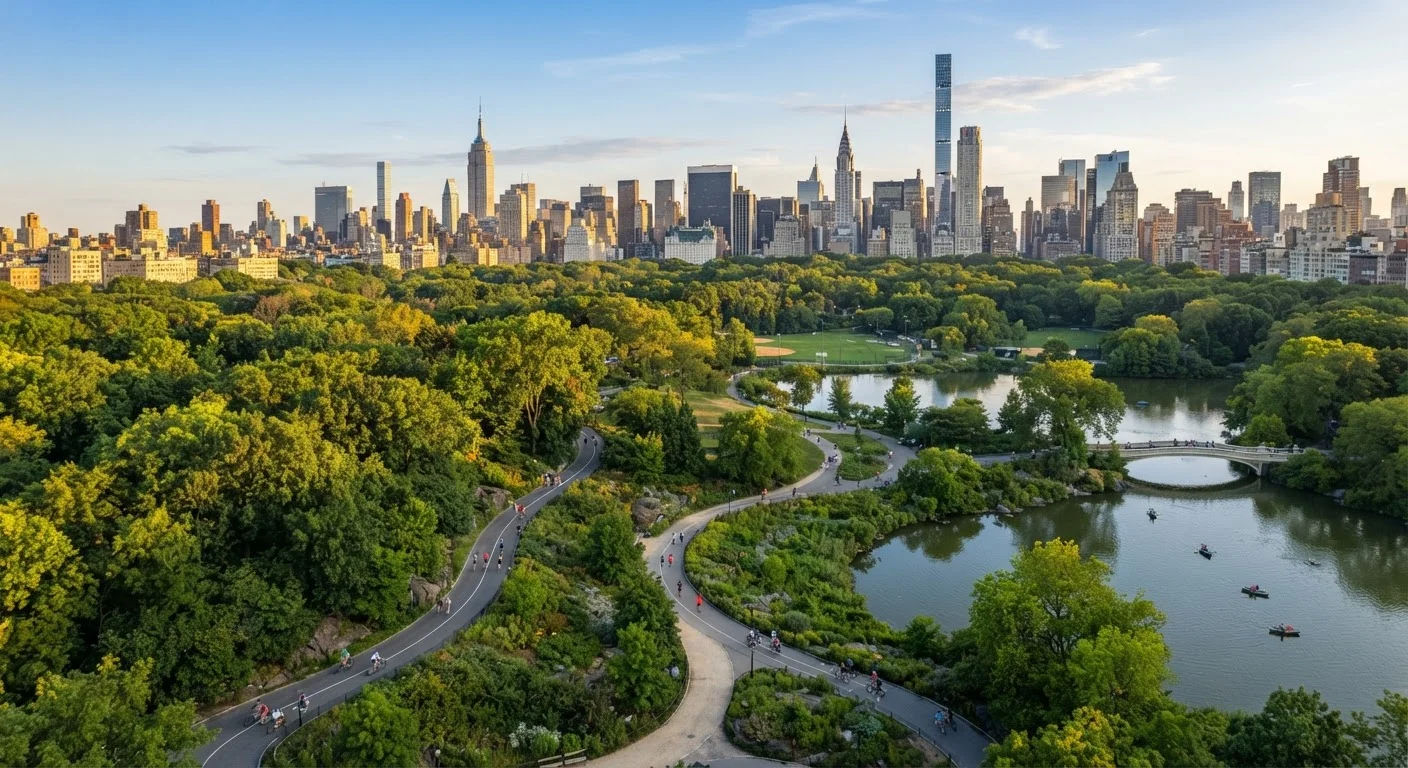
Photo credit: ExplorerGrid.com | Endless Grid Of Factual Content
In this article
Urban national parks like Golden Gate and Gateway have different logistics than wilderness parks. Use this checklist to arrive prepared and make the most of your visit.
Key Takeaways
- Urban national parks often require timed-entry reservations and have limited or paid parking near transit hubs.
- Cell coverage is generally better than wilderness parks, but offline maps are still worth downloading.
- Many urban parks span multiple sites across a city — confirm which units you're visiting before you go.
- Entrance fees and America the Beautiful pass eligibility vary by park unit; check in advance.
- Visiting midweek or early morning dramatically reduces crowds at popular urban park sites.
Why Urban National Parks Demand a Different Kind of Prep
Urban national parks — think Golden Gate National Recreation Area, Gateway National Recreation Area, or Cuyahoga Valley — aren't your typical backcountry adventure. They sit at the intersection of city infrastructure and protected natural land, which creates a distinct set of planning challenges. Parking garages, transit connections, multi-site layouts, and weekend crowds that dwarf most wilderness parks all come into play.
The good news: the access is extraordinary. You can often hop off a subway, bus, or rideshare and be standing on a historic shoreline or forested trail in minutes. But that ease of access also means these parks get very busy, very fast — and the logistics can catch first-timers off guard.
Whether you're heading to Presidio, Indiana Dunes, or Santa Monica Mountains, this checklist will help you walk in ready. For a broader look at how this fits into your overall travel plan, see the core stages of trip planning.
Research & Reservations
Transportation & Parking
Gear & Supplies
Day-Of Logistics
What to Bring and How to Get There
Urban parks have unique gear and transport considerations. Unlike remote wilderness parks, you're unlikely to need a bear canister — but you will want to think carefully about footwear, sun protection, and whether the park's transit connections fit your itinerary.
NPS.gov Park Finder
Look up your specific urban park unit's current hours, fees, reservation requirements, and alerts directly from the National Park Service.
Offline Maps App (e.g., downloaded transit or trail maps)
Download park trails and transit routes ahead of time so navigation works even in low-signal zones within the park.
America the Beautiful Annual Pass
Covers entrance fees at many federal lands; verify it's accepted at your specific urban park units before relying on it.
Local Transit App
Plan your bus, subway, or shuttle route to and from the park to avoid parking headaches on busy days.
Weather App with Hourly Forecast
Urban parks often have microclimates — coastal fog, canyon wind, or exposed ridgelines require accurate hourly planning.
Many urban national parks strongly encourage or even require visitors to use public transit on peak days. Golden Gate NRA, for instance, has specific guidance on shuttle services to popular areas like Muir Woods. Always check the official NPS site for your park to get current transit and parking details before departure.
Parking Fills Fast at Peak Urban Parks
At heavily visited urban parks, primary trailhead parking lots can reach capacity before 9 a.m. on summer weekends. Arriving late and circling for parking wastes visit time and contributes to congestion. Check whether your park offers overflow lots, shuttle connections, or transit-only access on high-demand days — and have an alternate plan ready.
Multi-Site Parks Can Mean Long Drives Between Units
Some urban national parks cover dozens of miles and multiple distinct sites. Assuming you can walk or cycle between all areas in a single visit is a common mistake. Review the park map carefully and select a realistic cluster of sites rather than trying to cover the whole park in one day.
For a broader pre-trip preparation framework that covers documents, bookings, and packing, our pre-trip preparation checklist is a solid companion resource. And if you're planning other national park visits, don't miss what first-timers consistently overlook when planning national park trips.

Author
Travel & Trips Editorial Team
Travel & Trips Editorial Team is the collective byline for our editorial team and contributor network. Articles published under this byline or an editorial pen name are researched, written, and reviewed according to our editorial standards for clarity, consistency, and independence before publication.
View all articles →