
Pre-Purchase Car Inspection: What to Check Before Any Money Changes Hands
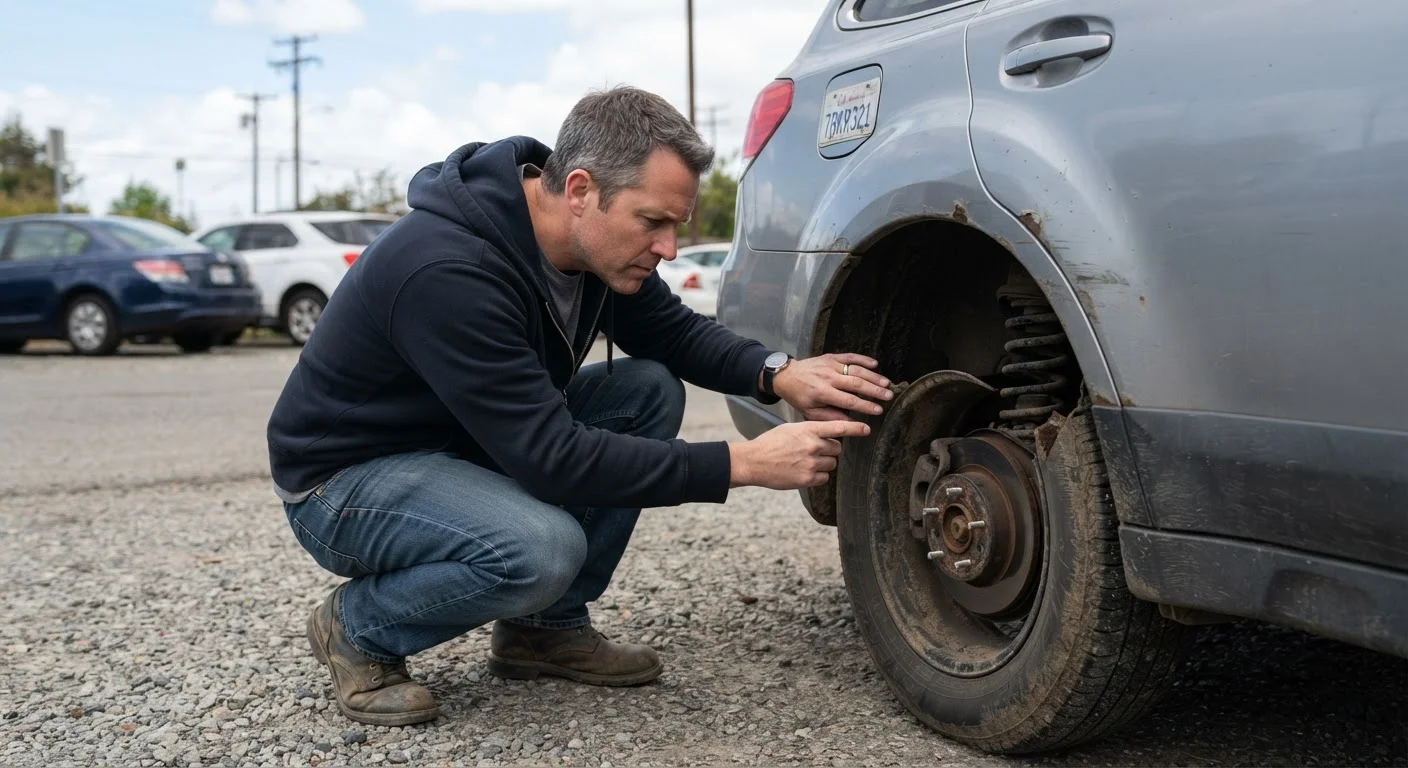
Photo credit: ExplorerGrid.com | Endless Grid Of Factual Content
In this article
A thorough checklist covering mechanical, cosmetic, and documentation checks every used-car buyer should complete before committing.
Key Takeaways
- Run a vehicle history report before you ever see the car in person.
- Check the body, undercarriage, and interior systematically — not just at a glance.
- A pre-purchase inspection by an independent mechanic typically costs $100–$200 and is nearly always worth it.
- Title status, odometer disclosure, and emissions compliance are non-negotiable paperwork checks.
- A test drive should include highway speeds, hard braking, and sharp turns — not just a lap around the block.
- Walking away is always a legitimate option if anything doesn't add up.
Why This Checklist Exists
Used vehicles change hands every day without the buyer ever lifting the hood. That's how people end up with flood-damaged interiors, rebuilt transmissions, or odometer rollbacks that a ten-minute walk-around would have flagged. This checklist is designed so that none of that happens to you.
For a broader view of the full purchase process — from initial search through signing the title — see our complete used-car buying guide. If you're newer to car buying, the first-time buyer primer covers foundational concepts worth reviewing before you arrive at any lot or private-sale driveway.
Work through the groups below in order. Most can be completed yourself; the mechanical inspection section flags the items that genuinely benefit from a trained eye.
Vehicle History Report Service
Provides a record of accidents, title events, ownership history, and mileage inconsistencies using the VIN.
OBD-II Diagnostic Scanner
Reads stored and pending fault codes from the vehicle's onboard computer to surface hidden mechanical issues.
Flashlight or Headlamp
Illuminates the undercarriage, engine bay, and tight interior spaces that natural light doesn't reach.
Independent Pre-Purchase Inspection (Mechanic)
A qualified mechanic lifts the vehicle on a hoist and assesses components you cannot safely evaluate yourself.
Market Valuation Reference
Helps you understand whether the asking price is within a reasonable range for the vehicle's age, mileage, and condition.
The Full Pre-Purchase Checklist
Arrive at the inspection with your phone charged, a flashlight, and a few minutes of buffer time before the seller expects you. Rushing is the number-one reason buyers miss obvious defects. Go through each group methodically — what you're looking for isn't hidden; it's just easy to overlook when you're excited about a car.
Before You Arrive
Exterior and Body
Interior Condition
Under the Hood
Test Drive
Documentation Review
Never Skip the Independent Mechanic Inspection
A self-inspection covers a great deal, but there are components — frame integrity, brake thickness, suspension wear, and undercarriage rust — that require a hoist and trained eyes to evaluate properly. An independent pre-purchase inspection at a shop of your choosing (not the seller's preferred shop) typically costs between $100 and $200. That cost is minor compared to a major repair bill discovered after the title transfers. If a seller refuses to allow an independent inspection, that refusal alone is reason to walk away.
Once you've completed your own inspection and the vehicle passes, the smart next step is a professional pre-purchase inspection (PPI) at an independent shop. Most shops can accommodate same-day or next-day appointments. The seller's willingness — or refusal — to allow a PPI is itself meaningful information about the vehicle and the transaction.
After purchase, you'll want a clear picture of what ownership will actually cost. Our car ownership costs hub and the annual car cost audit checklist are useful next steps for setting realistic expectations.
A Note on Documentation and Title Issues
Mechanical problems are fixable. Title problems can be catastrophic. A vehicle with a salvage, rebuilt, or lemon-law-buyback title may be legal to drive but difficult to insure, finance, or resell — and its market value is substantially lower than a clean-title equivalent. Verify the title status independently through your state's DMV or a paid vehicle history service; do not rely on what the seller tells you.
Odometer fraud, though less common than it once was, still occurs. Under federal law, sellers are required to provide an odometer disclosure statement for most vehicles under ten years old. If the stated mileage doesn't match service records, tire wear, or the general condition of pedals and interior surfaces, treat it as a serious red flag. Our companion piece on red flags in used-car listings covers early warning signs you can spot even before an in-person visit.
If the vehicle you're considering carries a manufacturer's certified pre-owned (CPO) label, understand that this designation offers real but limited protections. See our CPO program breakdown for an honest look at what those programs cover and where gaps exist. CPO vehicles still benefit from an independent inspection — the label is not a substitute for due diligence.
This article provides general informational guidance for used-car buyers and does not constitute legal or financial advice. Requirements for odometer disclosure, title transfer, and emissions compliance vary by state; verify current requirements with your state's DMV or a qualified professional before completing any vehicle purchase.

Author
Automotive Editorial Team
Automotive Editorial Team is the collective byline for our editorial team and contributor network. Articles published under this byline or an editorial pen name are researched, written, and reviewed according to our editorial standards for clarity, consistency, and independence before publication.
View all articles →