
Red Flags in Used Car Listings That Serious Buyers Learn to Spot
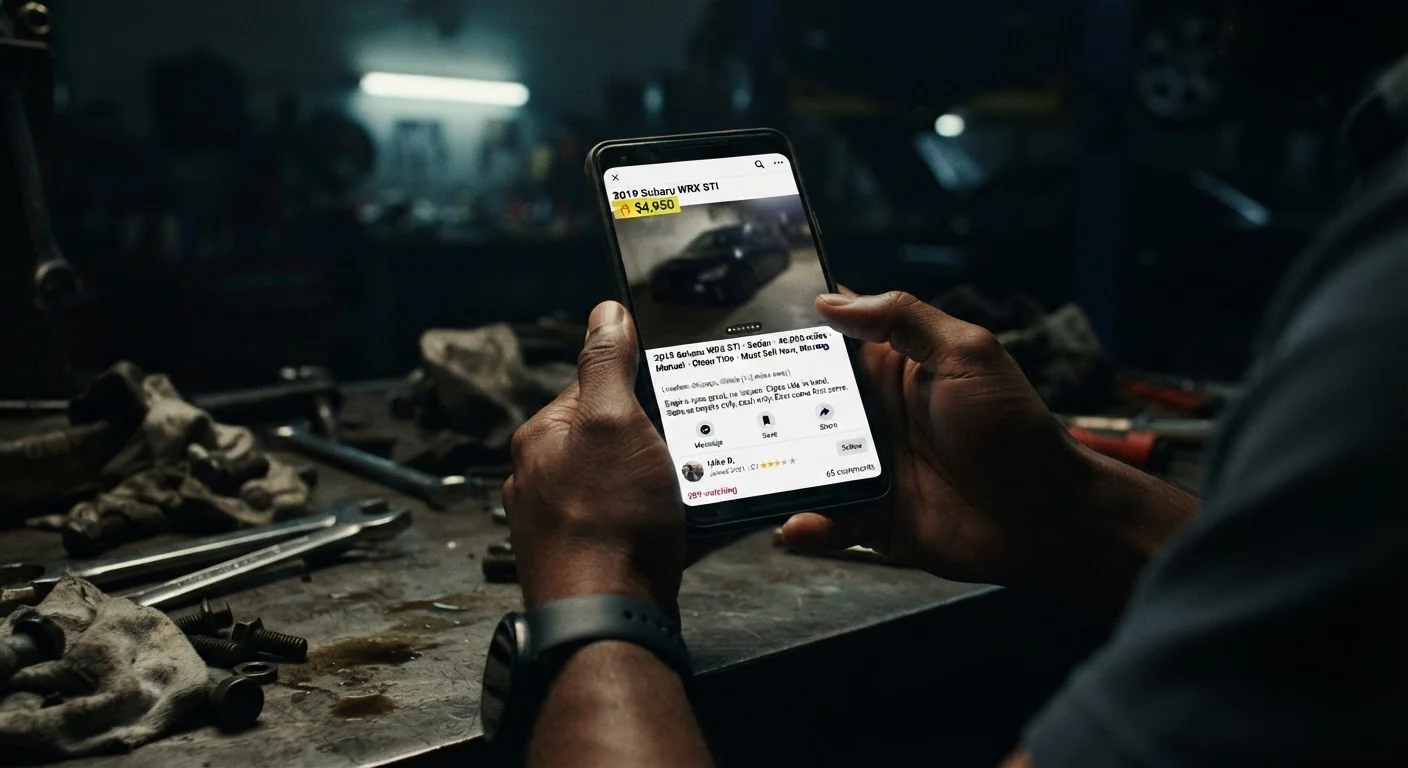
Photo credit: ExplorerGrid.com | Endless Grid Of Factual Content
In this article
A curated look at the warning signs in photos, descriptions, and seller behavior that signal a used car listing deserves extra scrutiny.
Key Takeaways
- Vague or stock-photo listings often conceal mechanical or cosmetic problems sellers don't want scrutinized.
- Pricing significantly below market value is one of the most reliable early warning signals in any listing.
- Seller behavior — pressure tactics, refusal to allow inspections — matters as much as the listing content itself.
- A vehicle history report is essential but not sufficient; it cannot capture every problem a car may have.
- Always arrange a pre-purchase inspection by a qualified mechanic before committing any money.
Why Listing Red Flags Matter Before You Ever See the Car
Most used-car buyers focus their scrutiny on the physical inspection — and rightly so. But the listing itself is your first opportunity to filter out vehicles and sellers that deserve skepticism. Patterns in photos, language, pricing, and seller responsiveness routinely signal problems that only become expensive after a transaction closes.
Learning to read a listing critically doesn't require mechanical expertise. It requires recognizing that sellers — whether private individuals or dealers — make deliberate choices about what to show and what to omit. Those choices are informative. For a broader framework of what the entire process involves, see our complete guide to buying a used car from search to signed title.
Below are the warning signs experienced buyers have learned to catch early — before they waste time, money, or momentum on the wrong vehicle.
Photos That Are Blurry, Few, or Suspiciously Selective
A legitimate seller with nothing to hide typically provides multiple clear photos from multiple angles: all four exterior corners, the interior front and rear, the dashboard, the engine bay, and the trunk. When a listing offers only one or two images — or photos that are deliberately dark, taken at night, or cropped to avoid specific panels — that selectivity is almost always intentional.
Pay particular attention to wheel wells, rocker panels, and lower door edges, which are common sites for rust. If those areas are never shown, ask why.
Selective photos are rarely accidental — they protect sellers, not buyers.
Pricing That Sits Well Below Market Value
Every experienced buyer knows that a price dramatically below comparable listings warrants serious skepticism, not excitement. Sellers who price accurately know what their vehicle is worth. When a listing is priced 20–30% or more below market without a credible explanation (high mileage, disclosed salvage title, known mechanical issue), it typically signals one of a few scenarios: a scam designed to collect a deposit, an undisclosed serious defect, or a title problem.
Check comparable listings on multiple platforms and consult published valuation tools to establish a realistic market range before engaging.
A price that looks too good to be true almost always has an explanation you won't like.
Vague or Boilerplate Descriptions With No Specifics
Descriptions like "runs great," "well maintained," and "minor wear" tell a buyer almost nothing. Credible listings include specifics: recent service records, known maintenance history, mileage context, reason for selling, and honest disclosure of any cosmetic or mechanical issues. Sellers who know their car's history can describe it. Sellers who don't — or who are concealing something — typically default to generic reassurance.
The absence of detail is itself a data point worth noting.
Generic language like 'runs great' often fills the space where honest detail should be.
A VIN That Doesn't Match or Can't Be Verified
Every vehicle sold in the US has a 17-character VIN that should appear consistently across the listing, the physical vehicle (dashboard and door jamb), the title, and any history report. Listings that omit the VIN, provide partial numbers, or where the numbers on the car don't match the paperwork are serious red flags — potentially indicating odometer fraud, a salvage or rebuilt title, or in worst cases, a vehicle with a problematic ownership history.
Always run the VIN through a reputable history service before committing to a viewing, and verify it physically during inspection.
A VIN mismatch between the listing and the vehicle itself is never a clerical error to dismiss.
Sellers Who Resist In-Person Inspection or Pressure You to Decide Quickly
Pressure tactics — "I have two other buyers coming today," "you need to put down a deposit to hold it" — are designed to override your rational judgment. A seller confident in their vehicle's condition welcomes scrutiny. Resistance to a third-party mechanical inspection, refusal to meet at the vehicle's registered location, or requests for wire transfers and non-reversible payment methods before you've seen the car in person are serious warnings regardless of how appealing the listing appears.
Urgency manufactured by a seller should increase your caution, not your speed. For related insight into pressure dynamics that cost buyers money, see why buyers overpay at dealerships.
Seller urgency is a sales tool — it benefits the seller, not you.
Dashboard Warning Lights Visible in Interior Photos
Sellers sometimes photograph the interior with the ignition in the "on" position but the engine off, causing warning lights to illuminate — and occasionally photograph it that way without realizing the dashboard is readable. If you can see the instrument cluster in an interior photo, zoom in. Visible warning lights, particularly the check engine, oil pressure, or transmission indicators, signal issues the listing text may be glossing over.
Even if you can't make out specific symbols, a cluster that's fully lit in an interior photo warrants a direct question. Our editorial team has a plain-language reference for what dashboard warning lights mean if you need help interpreting what you see.
A dashboard photo can reveal what a seller's description deliberately omits.
Title Issues Buried in the Fine Print
Salvage, rebuilt, flood, and lemon law buyback titles must be disclosed and materially affect a vehicle's value, insurability, and long-term reliability. Some listings acknowledge these histories in small print after leading with the price and photos. Others omit them entirely and hope buyers don't ask. Always ask the seller directly about the title status before investing time in an inspection, and verify the answer independently through a history report and your state's DMV records.
Understanding the full financial picture of car ownership includes factoring in how a compromised title affects insurance premiums and resale value down the road.
A clean-looking listing with a buried salvage title can cost far more than the sticker price suggests.
What to Do When a Listing Raises Questions
Spotting red flags doesn't mean walking away immediately — it means adjusting your approach. Ask direct questions and note whether the seller's answers are specific and consistent. Request a vehicle history report if one isn't provided, and understand its limits: as our editorial team explains in what a vehicle history report actually tells you, even a clean report can leave meaningful gaps.
Before any money changes hands, insist on a pre-purchase inspection by a qualified mechanic. Any seller who refuses or discourages that step has answered your most important question. Understanding the long-term costs of car ownership also helps you judge whether a suspicious deal is worth the risk — often, it isn't.
Build a Simple Pre-Contact Checklist
Before reaching out to any seller, take five minutes to verify: the VIN is present and complete, photos show all angles including problem-prone areas, the price aligns with comparable listings, and the description includes specific maintenance details. This quick screen alone filters out a significant portion of listings that would waste your time or cost you money.

Author
Automotive Editorial Team
Automotive Editorial Team is the collective byline for our editorial team and contributor network. Articles published under this byline or an editorial pen name are researched, written, and reviewed according to our editorial standards for clarity, consistency, and independence before publication.
View all articles →