
Selling Your Car Yourself: What the Process Actually Involves
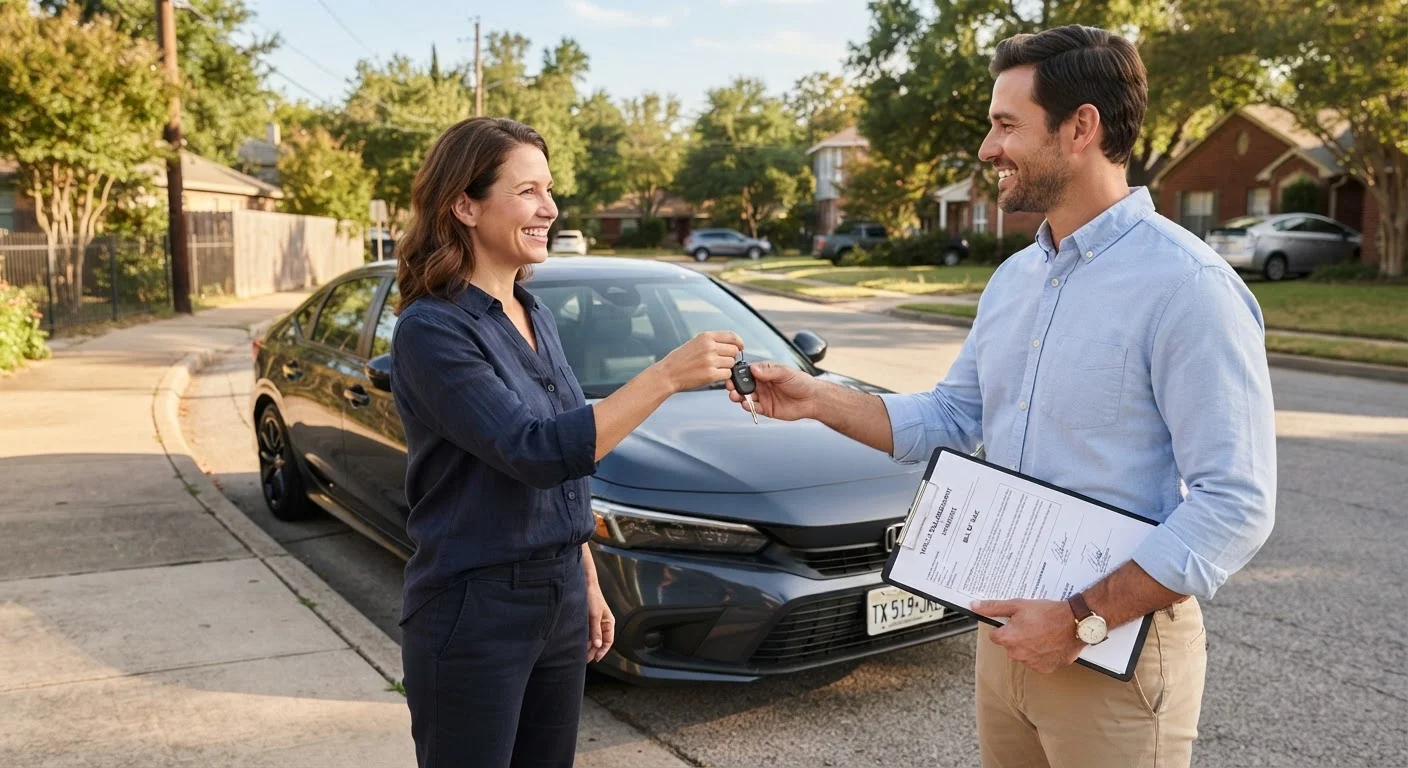
Photo credit: ExplorerGrid.com | Endless Grid Of Factual Content
In this article
A practical walkthrough of listing, showing, pricing, and transferring ownership when you sell a vehicle without a dealership.
Key Takeaways
- Pricing your car accurately from the start attracts serious buyers and shortens time to sale.
- A complete, well-photographed listing reduces back-and-forth and weeds out low-quality inquiries.
- Vetting buyers and choosing a safe payment method protects you from fraud.
- Every state requires specific paperwork at transfer; knowing yours prevents costly delays.
- Outstanding loans must be coordinated with your lender before or at the time of transfer.
Why Selling Privately Is Worth the Effort
Selling a car yourself typically nets more money than a trade-in or instant-offer service. Dealerships and wholesalers build their profit margin into whatever they offer you; a private buyer pays closer to actual market value. The trade-off is time and effort — you handle everything from photography to paperwork. For most sellers, that effort pays off. See our comparison of trade-ins versus private sales to weigh the financial gap for your specific situation before committing to either path.
This guide walks through the entire private-sale process in sequence so you know what to expect at every stage.
What you will need
Before You List: Get the Car and Your Records Ready
Buyers make fast judgments based on first impressions, both online and in person. A clean, mechanically sound car listed with complete documentation sells faster and at a stronger price than one that raises questions.
- Clean inside and out. A professional detail — typically $100–$250 — can return multiples of its cost in buyer confidence.
- Address obvious issues. Fix burnt-out lights, patch small chips, and top off fluids. Minor repairs that cost little but look bad on inspection are worth handling. Avoid major pre-sale repairs unless you have clear evidence they will raise your price enough to break even.
- Gather your documents. Locate the title (or request a duplicate from your DMV if it's lost), find any maintenance records, pull the current odometer reading, and note any existing warranty transferable to the buyer.
- Run a vehicle history report. Buyers will. Knowing what's on yours lets you address concerns proactively rather than being caught off-guard during negotiations.
If your vehicle still carries a loan balance, coordinate with your lender early. Our article on selling a car with an outstanding loan explains how to handle title transfer when a lender holds the title.
Setting Your Price and Writing a Strong Listing
Pricing too high causes your listing to stall; pricing too low leaves money behind. Check multiple valuation sources — including published market-value guides and active comparable listings in your area — and set a price that reflects your car's actual condition, mileage, and local demand. Our guide to setting a fair asking price walks through this methodology in detail.
A strong listing contains:
- Year, make, model, trim level, and mileage
- Accurate condition description including any known defects — omitting known issues creates legal exposure in many states
- Maintenance history highlights (recent tires, brake work, oil changes)
- At least 15–20 photos taken in good light: all four exterior angles, interior front and rear, cargo area, dashboard, odometer, tires, and any notable blemishes
- Your asking price and preferred contact method
Honesty in Your Listing Protects You
Disclosing known defects — a minor dent, a repaired accident, a quirky electrical issue — seems counterintuitive but is legally important and practically smart. Buyers who discover undisclosed problems during inspection will either walk away or negotiate more aggressively. Sellers who misrepresent a vehicle's condition can face claims in small claims court in most states.
Handling Inquiries, Showings, and Test Drives
Expect a mix of serious buyers and lowball messages. Respond promptly to genuine inquiries with factual answers. For showings, meet in a well-lit, public or semi-public location — your driveway during the day is fine; an empty parking lot at night is not.
For test drives, ask to see the buyer's driver's license and photograph it before handing over the keys. Accompany the buyer on the drive. Confirm your auto insurance covers the vehicle during a private-party test drive; most policies do, but verify with your insurer. Do not allow solo test drives by strangers.
Buyers may ask for a pre-purchase inspection by an independent mechanic. This is reasonable and actually helps honest sellers — it confirms the car's condition and removes negotiating leverage based on fear of the unknown. Allow it.
Negotiating and Agreeing on a Price
Build a small negotiating buffer into your asking price — typically 5–10% above your target — so you can concede something without underselling. Know your floor before conversations begin. If a buyer's offer is below your floor, it's fine to decline or counter; you're not obligated to sell.
Common negotiating tactics buyers use include citing minor cosmetic flaws as major deficiencies, referencing lower-priced (but less comparable) listings, or creating artificial urgency to pressure a fast decision. Take your time. A car sold two weeks later at the right price is better than one sold today at a loss.
Payment, Paperwork, and Transferring Ownership
Once you agree on a price, the transaction requires two things: a secure payment and the correct paperwork.
Payment: Cashier's checks and bank wire transfers are the safest options for private-party vehicle sales. Avoid personal checks and be cautious with payment apps for large sums. If accepting a cashier's check, verify it with the issuing bank before signing the title over. Cash is safe but impractical above roughly $5,000–$10,000 for safety reasons.
Paperwork: Requirements vary by state, but typically include:
- Signed and notarized title transfer (some states require a notary; check your DMV's instructions)
- Bill of sale documenting the sale price, date, vehicle description, and both parties' information
- Odometer disclosure statement (federally required for vehicles under 10 years old)
- Release of liability form submitted to your state DMV to protect you from anything the buyer does after the sale
Remove your license plates unless your state requires them to stay with the vehicle — rules differ. Cancel or transfer your insurance only after the sale is fully complete and ownership has transferred. For context on what buyers experience on the other side of this transaction, see our full walkthrough of the used-car buying process.
This article provides general informational guidance on the private vehicle sale process. Paperwork requirements, tax obligations, and legal rules vary by state. Verify current requirements with your state's DMV before completing a transaction.

Author
Automotive Editorial Team
Automotive Editorial Team is the collective byline for our editorial team and contributor network. Articles published under this byline or an editorial pen name are researched, written, and reviewed according to our editorial standards for clarity, consistency, and independence before publication.
View all articles →