
Car Ownership Assumptions That Cost Drivers More Than They Should
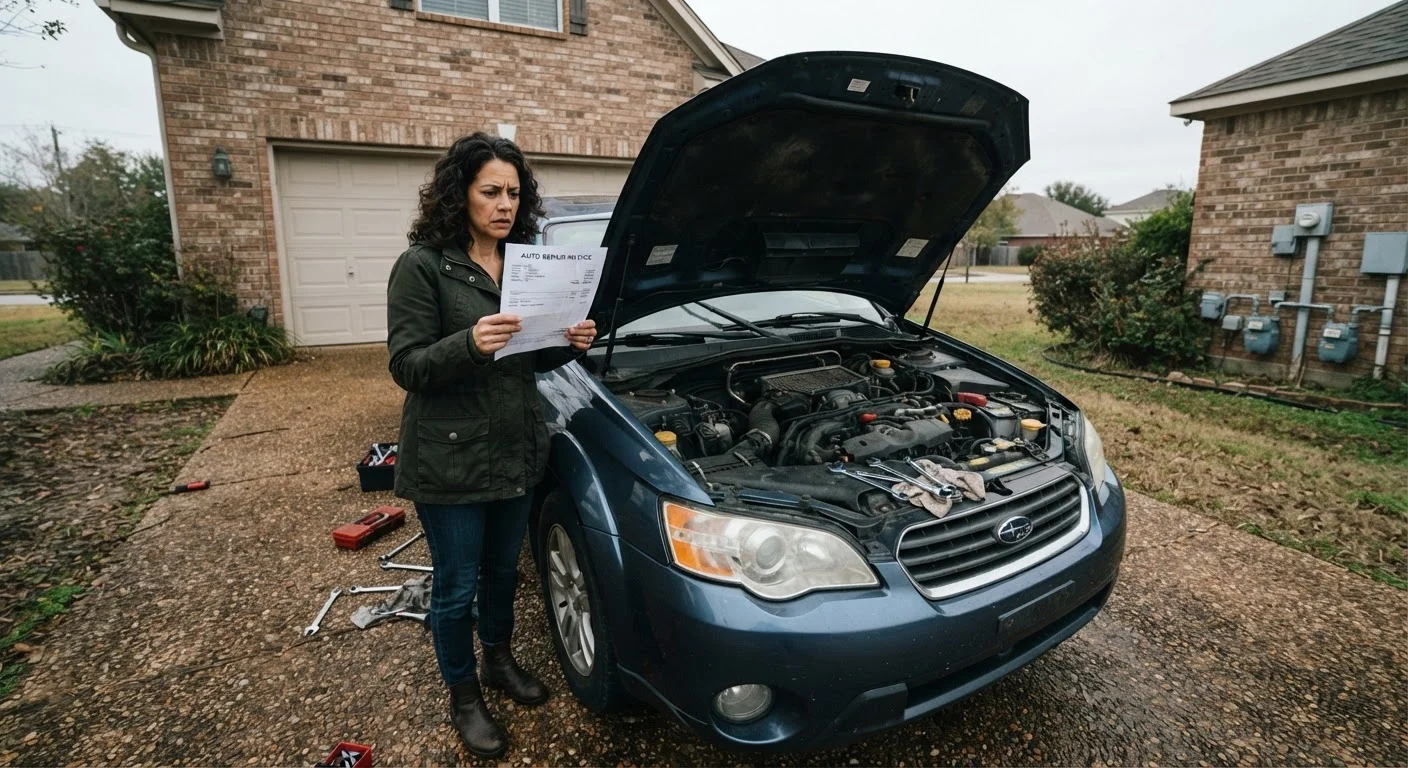
Photo credit: ExplorerGrid.com | Endless Grid Of Factual Content
From skipping extended warranties to ignoring tire rotation, common beliefs about car costs that often lead to bigger bills down the road.
Key Takeaways
- Routine maintenance skipped to save money often triggers far more expensive repairs later.
- Depreciation — not fuel or insurance — is typically the largest single cost of car ownership.
- Tire rotation and alignment are distinct services; neglecting either shortens tire life significantly.
- Insurance premiums are shaped by more factors than most drivers realize, including credit score.
- Extended warranties are not automatically poor value — the vehicle type and coverage terms matter.
- Budgeting only the monthly payment ignores fuel, insurance, maintenance, and depreciation entirely.
Why Assumptions About Car Costs Are So Expensive
Most drivers are confident they understand what their vehicle costs them. They know the monthly payment. They factor in gas. They figure maintenance is just an oil change every few months. That confidence is often misplaced — and the gap between what owners assume and what ownership actually costs is where budgets quietly break down.
The misconceptions below aren't obscure. They're the kinds of beliefs held by experienced, otherwise careful drivers. Correcting them doesn't require a mechanical background — just accurate information and a willingness to revise the mental math. For a broader look at where budgets typically break first, see where drivers most commonly underestimate ownership costs.
Myth
Skipping an oil change or two won't do any real damage — modern engines are built to handle it.
Fact
Extended oil change intervals allow contaminants to build up and reduce lubrication effectiveness, accelerating engine wear over time.
Synthetic oil has extended the typical service interval — many vehicles now run 7,500 to 10,000 miles between changes under normal conditions. But that interval is a maximum, not a suggestion to push further. Oil degrades thermally and accumulates combustion byproducts regardless of oil type. Consistently deferring changes causes sludge buildup that can clog oil passages and lead to premature wear on components that cost thousands to replace. The hidden costs of skipping routine maintenance rarely show up on one bill — they accumulate silently over years.
Myth
The monthly payment is the real cost of a car — everything else is manageable on top of it.
Fact
The monthly payment covers only the loan principal and interest; fuel, insurance, maintenance, registration, and depreciation all add substantially to the true cost.
Industry estimates from organizations such as AAA consistently place the total annual cost of vehicle ownership well above what most buyers budget. Depreciation alone — which doesn't appear on any bill — is typically the single largest expense over the first five years of ownership. How depreciation works is something every buyer should understand before signing. For a complete picture, the true cost of car ownership breaks down every recurring category in dollar terms.
Myth
Tire rotation is optional — if there's no vibration or pulling, the tires are fine.
Fact
Uneven wear develops gradually and is often invisible to the driver until significant tread loss has already occurred, shortening tire life by thousands of miles.
Front and rear tires wear at different rates depending on drivetrain layout, driving habits, and load. Without rotation — typically recommended every 5,000 to 7,500 miles — front tires on front-wheel-drive vehicles wear significantly faster, resulting in a mismatched set that reduces grip and forces premature replacement. Tire rotation is also an opportunity to inspect for alignment issues before they worsen. Rotation, balancing, and alignment are three distinct services that address different problems — conflating or ignoring them is a common and costly mistake.
Myth
Extended warranties are a dealer profit grab and never worth the money.
Fact
Extended warranties vary widely in coverage and value; for some vehicle types and driving profiles, they transfer real financial risk and may be worth the cost.
Dealer-sold extended warranties are often priced with significant margin — that part of the critique is fair. But the underlying product isn't inherently worthless. For vehicles with complex electronics, known reliability concerns, or owners who drive heavily, a well-structured powertrain or bumper-to-bumper contract can offset repair costs that run into thousands of dollars. The key variables are what the contract actually covers, exclusions for pre-existing conditions, and whether it's transferable. Certified pre-owned warranties operate under different terms than aftermarket contracts and are worth comparing directly before dismissing either category.
Myth
Insurance is insurance — minimum state-required coverage keeps you financially protected.
Fact
State minimums are liability floors, not financial protection for the vehicle owner; a serious accident can leave a minimally-insured driver with tens of thousands in out-of-pocket costs.
State-mandated minimum liability limits were often set decades ago and haven't kept pace with vehicle costs or medical expenses. A driver carrying the state minimum has no coverage for their own vehicle in a collision they caused, and liability limits may be exhausted quickly in a serious injury claim. Understanding what actually shapes your premium — and what each coverage type does — is foundational to building a policy that protects your financial position rather than just satisfying a legal requirement. Every factor that shapes your auto insurance rate, including credit score and location, is worth reviewing annually.
Putting the Numbers in Perspective
Individual myths don't exist in isolation — they compound. A driver who skips tire rotations, carries minimum insurance without understanding what it covers, and fixates on the sticker price while ignoring depreciation is absorbing unnecessary costs across multiple categories simultaneously.
$12,000+
Average annual cost to own and operate a new vehicle
AAA's annual Your Driving Costs study consistently places average new-vehicle total ownership cost above $12,000 per year when depreciation, fuel, insurance, and maintenance are included.
~49%
Typical 5-year depreciation on a new vehicle
Most new vehicles lose roughly half their value within five years of purchase, according to widely cited automotive valuation industry data.
$0
What minimum liability coverage pays for your own car
State-required minimum liability policies cover damage to others — the insured driver's own vehicle receives nothing without collision coverage added.
Vehicle type also changes the equation considerably. Trucks and SUVs typically carry higher tire replacement costs, fuel expenses, and insurance premiums than sedans. Ownership costs by vehicle type vary more than most buyers anticipate when shopping by monthly payment alone.
The most effective corrective is straightforward: track what you actually spend. An annual car cost audit routinely reveals spending 20–30% higher than owners estimated — not because of one large surprise, but from a dozen overlooked recurring costs adding up. From there, managing maintenance costs over a vehicle's lifetime becomes a matter of consistency rather than guesswork.

Author
Automotive Editorial Team
Automotive Editorial Team is the collective byline for our editorial team and contributor network. Articles published under this byline or an editorial pen name are researched, written, and reviewed according to our editorial standards for clarity, consistency, and independence before publication.
View all articles →