
The Case for Dietary Diversity: Why Eating a Wide Range of Foods Matters
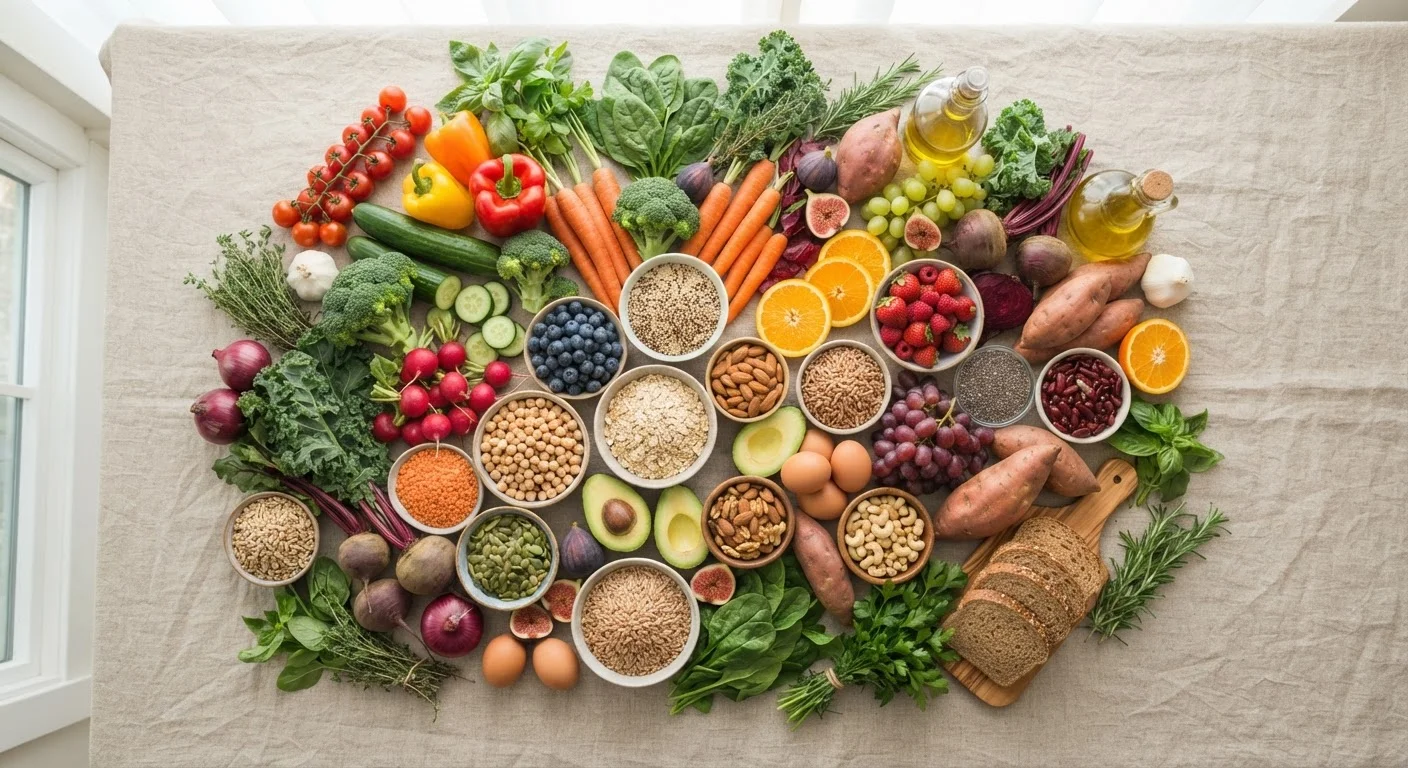
Photo credit: ExplorerGrid.com | Endless Grid Of Factual Content
In this article
Nutritional variety supports gut health, micronutrient coverage, and metabolic resilience. Here's the science in plain terms.
Key Takeaways
- No single food provides every nutrient the body needs — variety fills the gaps.
- A diverse diet feeds a richer gut microbiome, which is linked to better immune and metabolic function.
- Eating across food groups reduces reliance on any single nutrient source, building resilience into your diet.
- Dietary diversity supports adequate micronutrient intake without requiring supplementation for most healthy adults.
- Small, consistent changes — like rotating vegetables or trying a new grain — meaningfully improve dietary variety.
Why Variety Is a Nutritional Principle, Not Just Lifestyle Advice
The idea that you should eat a variety of foods has been a consistent thread across decades of dietary guidance — and for good reason. No single food, however nutrient-dense, provides every vitamin, mineral, essential amino acid, and beneficial plant compound the human body requires. Variety is the mechanism by which a diet becomes nutritionally complete.
This isn't abstract theory. Different foods carry genuinely different nutritional profiles. Spinach delivers folate, iron, and vitamin K. Salmon provides omega-3 fatty acids and vitamin D. Lentils contribute fiber, plant protein, and zinc. Sweet potatoes offer beta-carotene and potassium. Rotating through these foods — rather than eating spinach exclusively, or salmon every night — builds cumulative coverage across nutrients your body uses daily.
For a plain-language reference to the specific vitamins and minerals at stake, see Micronutrients at a Glance.
~17
Average distinct food items eaten by US adults weekly
Research published in nutritional epidemiology literature suggests many US adults consume a relatively narrow range of foods, with estimates often clustering well below the 30-plant benchmark proposed by microbiome researchers.
30+
Plant foods per week associated with richer gut microbiome
The American Gut Project, a large citizen-science study, found that people who ate 30 or more different plant foods per week had significantly more diverse gut microbiomes than those eating 10 or fewer.
~75%
Of global food supply from just 12 plant and 5 animal species
According to the Food and Agriculture Organization of the United Nations, the modern global food supply is concentrated in a surprisingly narrow range of species, reflecting how dietary monotony extends beyond individual households.
Dietary Diversity and Gut Health: A Two-Way Relationship
One of the most compelling research areas supporting dietary diversity involves the gut microbiome — the vast community of microorganisms living in the digestive tract. A richer, more varied microbiome is generally associated with better immune regulation, reduced inflammation, and improved metabolic function, though research in this field is still evolving and scientists continue to refine what these associations mean for health outcomes.
What is well established is that different bacterial species in the gut are nourished by different types of dietary fiber and plant compounds. Eating a monotonous diet tends to favor a narrower microbial community. A diverse diet — particularly one rich in varied plant foods — feeds a broader range of species. This is one reason that fiber from multiple sources (vegetables, legumes, whole grains, fruits) appears more beneficial than fiber from a single food. Our companion piece on why fiber matters and where to find it covers this in more depth.
Phytonutrients — the plant-derived compounds that give foods their colors and flavors — also vary by species and variety. Blueberries, red cabbage, turmeric, and green tea each contain distinct bioactive compounds that don't substitute for one another. Eating across the color spectrum is one practical proxy for phytonutrient diversity.
How Narrow Diets Create Nutritional Gaps
Dietary monotony can quietly accumulate deficits that aren't immediately obvious. A person eating a generally adequate diet but skipping an entire food group — say, rarely eating legumes or any variety of whole grain — may fall short of magnesium, certain B vitamins, or specific types of soluble fiber over time. These gaps don't necessarily produce dramatic symptoms right away, which is part of what makes them easy to overlook.
Ultra-processed foods compound this problem. They tend to displace the varied whole foods that deliver micronutrients and fiber, replacing them with a narrow nutritional profile — often high in sodium, refined carbohydrates, and added fats, while low in the nutrients whole foods provide. Understanding the difference between whole and processed foods is a foundational step; our article on whole foods vs. processed foods explains the spectrum clearly.
Use Your Grocery Cart as a Diversity Tracker
Before checkout, scan your cart and count how many distinct plant foods are present — vegetables, fruits, whole grains, legumes, nuts, seeds, and herbs each count separately. If you see fewer than eight or ten, look for one or two easy additions. This quick mental check is a practical habit that gradually shifts your baseline toward greater variety without requiring a meal plan.
Dietary variety also reduces dependence on any single source of a given nutrient. If you obtain protein from a mix of legumes, eggs, fish, and whole grains rather than one source alone, a temporary shortage of any one food doesn't create a significant gap. This is a form of built-in nutritional resilience.
Practical Ways to Widen Your Dietary Range
Increasing dietary diversity doesn't require a wholesale transformation of how you eat. Incremental changes accumulate meaningfully over time. Some approaches that translate well into everyday life:
- Rotate your vegetables rather than defaulting to the same two or three each week. Swapping broccoli for bok choy, or carrots for beets, adds distinct nutrient profiles without extra effort.
- Vary your protein sources across the week — mixing plant-based options like beans, lentils, and tofu with animal sources where applicable. For a deeper comparison, see animal vs. plant protein sources.
- Try a new grain periodically — farro, millet, buckwheat, or amaranth each offer a distinct nutrient profile compared to refined white rice or white bread.
- Use herbs and spices generously — they are concentrated sources of bioactive plant compounds and count as distinct plant foods in dietary diversity scoring.
- Add legumes to familiar dishes — stirring beans into soups, salads, or grain bowls is a low-friction way to expand variety without building a new meal from scratch.
For a broader framework on composing nutritionally balanced meals day-to-day, see Building a Balanced Plate.
This article provides general nutrition information for educational purposes only. It is not a substitute for personalized advice from a registered dietitian or qualified healthcare provider. If you have specific dietary needs, health conditions, or concerns, please consult a qualified professional.
Frequently Asked Questions

Author
Health & Wellness Editorial Team
Health & Wellness Editorial Team is the collective byline for our editorial team and contributor network. Articles published under this byline or an editorial pen name are researched, written, and reviewed according to our editorial standards for clarity, consistency, and independence before publication.
View all articles →