
The Overwatering Myth and Other Garden Irrigation Misconceptions
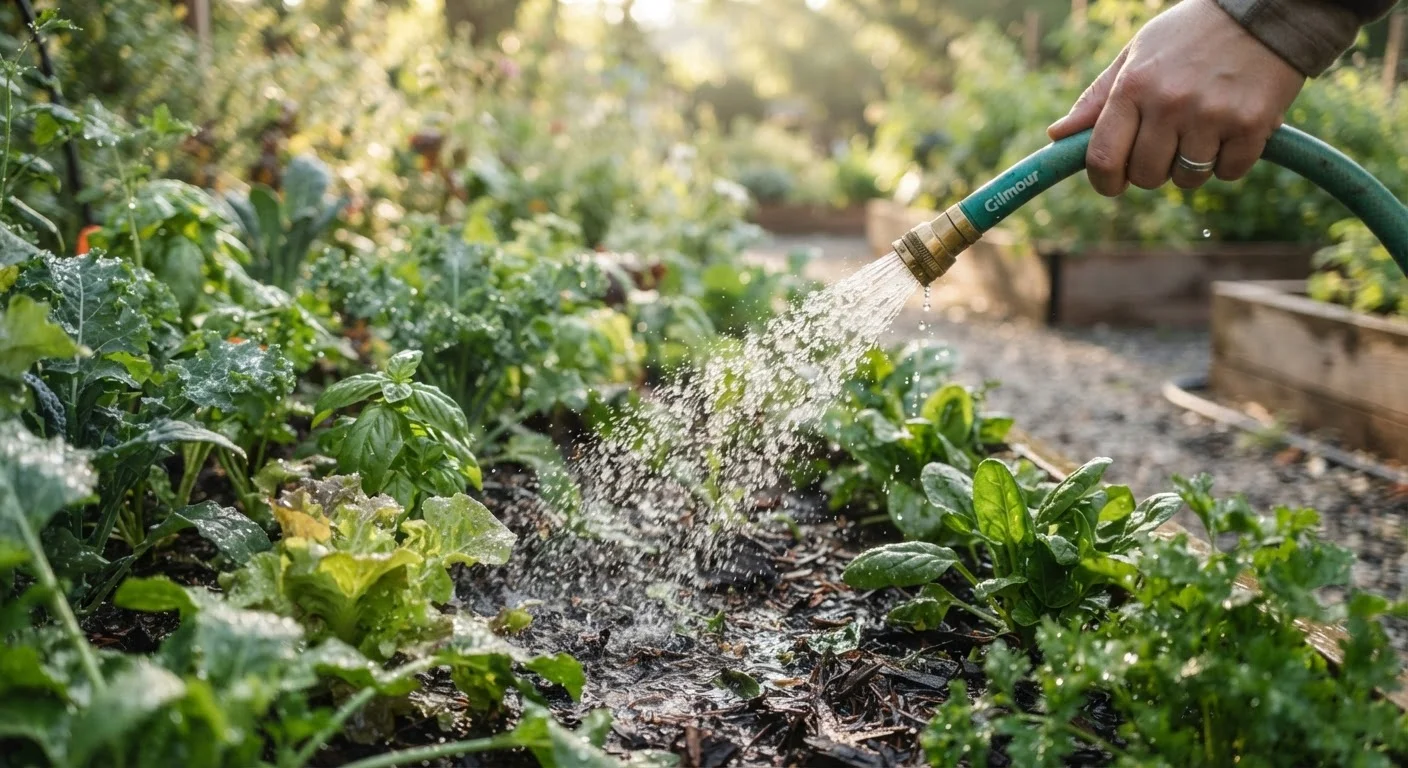
Photo credit: ExplorerGrid.com | Endless Grid Of Factual Content
In this article
Many common watering habits actually harm plants. Separate fact from fiction on irrigation timing, frequency, and soil moisture.
Key Takeaways
- Watering on a fixed daily schedule often harms plants more than inconsistent watering does.
- Wilting leaves don't always signal drought stress — overwatering can cause the same visible symptoms.
- Deep, infrequent watering encourages stronger root systems than frequent shallow watering.
- Morning is the most effective and disease-resistant time to irrigate most garden plants.
- Soil type profoundly affects how much and how often plants actually need water.
Why Irrigation Myths Are So Persistent
Gardening advice travels fast — from neighbors, social media, and well-worn guidebooks — but not all of it holds up under scrutiny. Irrigation, in particular, is an area where confident-sounding rules frequently contradict how plants and soil actually behave. The result is that many dedicated gardeners water too much, too little, at the wrong time, or in the wrong way, all while following advice they genuinely believe is correct.
Understanding the science behind soil moisture and plant physiology doesn't require an agronomy degree. It requires letting go of a few stubborn myths. Whether you tend a backyard vegetable plot or manage container gardens on a patio or balcony, the same evidence-based principles apply.
Myth
Plants need to be watered every single day to stay healthy.
Fact
Most garden plants thrive with deep, infrequent watering rather than daily light applications.
Daily watering tends to keep moisture concentrated in the top inch or two of soil, which encourages roots to grow shallow. Shallow roots make plants more vulnerable to heat, drought, and wind. Watering deeply but less frequently — typically two to three times per week for most vegetables and ornamentals — pushes moisture down into the root zone and trains roots to follow it deeper into the soil, producing stronger, more resilient plants.
Myth
If a plant is wilting, it definitely needs more water right away.
Fact
Wilting can be caused by overwatering, underwatering, heat stress, or root damage — water is not always the answer.
Overwatered roots become oxygen-starved and begin to rot. Damaged roots cannot transport water effectively, so the plant wilts even when the soil is saturated. Before reaching for the hose, check soil moisture at root depth. If the soil is already damp or wet, withhold water and allow it to dry slightly. Wilting during the hottest part of a summer afternoon is also frequently a temporary heat response — many plants recover on their own by evening without any additional irrigation.
Myth
Watering in the evening is perfectly fine and keeps plants cooler overnight.
Fact
Evening watering leaves foliage wet through the night, significantly increasing the risk of fungal diseases.
Fungal pathogens — including powdery mildew, botrytis, and various leaf blights — thrive in the damp, still conditions that nighttime creates. When leaves remain wet for extended periods, these organisms establish and spread far more readily. Morning watering is strongly preferred: it gives foliage time to dry during the day while still delivering moisture before peak heat. If morning watering isn't possible, aim to water soil directly rather than overhead, and do so as early in the evening as practical.
Myth
More water is always safer than too little — you can't really overwater outdoor plants.
Fact
Overwatering is one of the most common causes of plant death in home gardens, both in-ground and in containers.
Plant roots need both water and oxygen. When soil is continuously saturated, air pockets collapse and roots are deprived of oxygen, leading to root rot. Symptoms — yellowing leaves, mushy stems near the base, foul-smelling soil — are often mistaken for nutrient deficiencies or pests, leading gardeners to water even more. Containers are especially vulnerable because drainage is limited. See our guidance on container gardening constraints for more on managing moisture in pots.
Myth
Wetting leaves during watering burns plants in sunny weather.
Fact
Water droplets on leaves do not magnify sunlight enough to cause scorch under normal garden conditions.
The idea that water droplets act as tiny lenses and burn foliage is widely repeated but largely unsupported by horticultural research under real-world outdoor conditions. Leaf scorch that appears after watering is typically caused by other factors: concentrated fertilizer salt residue, fungal spots exacerbated by moisture, or pre-existing stress. That said, overhead watering during the hottest midday hours is still inefficient because of rapid evaporation, so morning remains the preferred time — just not because of a leaf-burning risk.
How Soil Type Changes Everything
One reason blanket watering rules fail is that they ignore soil. Sandy soils drain quickly and need more frequent irrigation in smaller amounts. Clay soils hold moisture far longer and can become waterlogged with the same schedule that works fine in sandy ground. Loamy, well-amended soil sits in between and is generally most forgiving.
Before adjusting any watering routine, do a simple finger test: push your finger two inches into the soil near the root zone. If it feels damp, hold off watering. If it's dry at that depth, it's time to water. This low-tech check is more reliable than any calendar-based schedule and costs nothing.
~50%
Estimated residential water wasted through inefficient irrigation
According to the U.S. Environmental Protection Agency (EPA), roughly half of the water applied in residential landscapes is lost to evaporation, runoff, or overwatering.
6–8 inches
Target soil depth for effective deep watering
Horticultural extension guidelines generally recommend watering to a depth of six to eight inches to reach the active root zones of most vegetable and perennial garden plants.
If your goal is to reduce water dependence altogether, drought-tolerant landscaping principles offer a longer-term structural solution that goes beyond watering technique.
Putting Better Irrigation Habits Into Practice
Correcting irrigation misconceptions doesn't mean overhauling your entire garden routine at once. Start with timing: shift any evening watering sessions to early morning. Then audit your frequency — if you water daily by habit, skip a day and do the finger test before resuming. Most established garden plants in moderate climates need watering just two to three times per week, sometimes less.
When you do water, water deeply. A slow, sustained soak that reaches six to eight inches into the soil is far more productive than a quick daily sprinkle. Mulching around plant bases with two to three inches of organic material — straw, shredded bark, or compost — significantly reduces evaporation and moderates soil temperature, cutting how often irrigation is needed.
For gardeners who want to go further, drip irrigation or soaker hoses deliver water directly to the root zone with minimal evaporation and no leaf wetness, addressing several of the myths above simultaneously. These systems are especially effective for vegetable beds and densely planted borders.
This article is for general informational and educational purposes. Results vary based on local climate, plant species, and soil conditions. Always observe your specific plants and consult local cooperative extension resources for region-specific guidance.

Author
Home & Garden Editorial Team
Home & Garden Editorial Team is the collective byline for our editorial team and contributor network. Articles published under this byline or an editorial pen name are researched, written, and reviewed according to our editorial standards for clarity, consistency, and independence before publication.
View all articles →