
Why Deferred Maintenance Costs Homeowners Far More in the Long Run
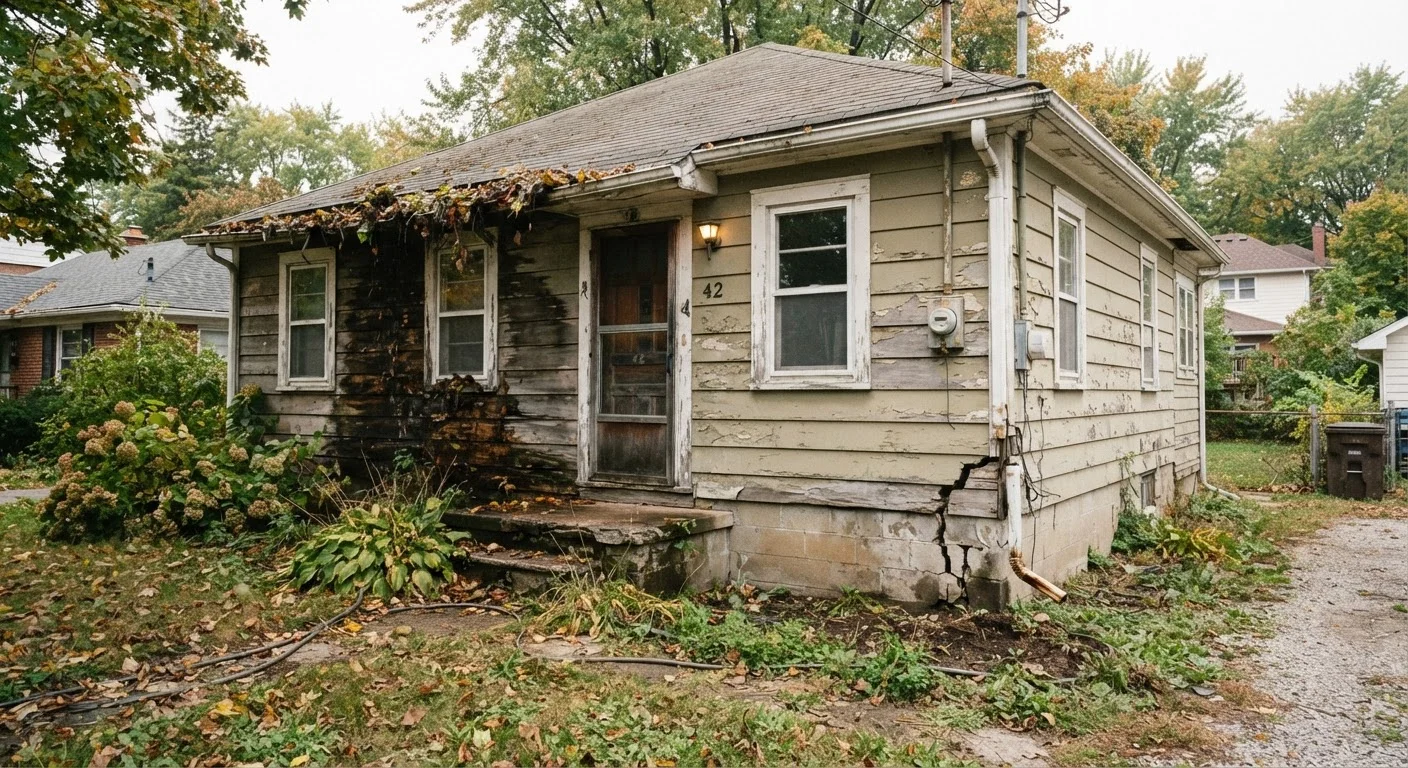
Photo credit: ExplorerGrid.com | Endless Grid Of Factual Content
In this article
Skipping small repairs now often leads to expensive crises later. Learn which neglected issues compound the fastest and why.
Key Takeaways
- Small, inexpensive repairs left unaddressed routinely escalate into large, costly emergencies.
- Water intrusion is the single fastest-compounding category of home neglect.
- Most critical home systems should be inspected or serviced annually, regardless of visible symptoms.
- Deferred maintenance can reduce a home's resale value and complicate insurance claims.
- A simple seasonal checklist can prevent the majority of avoidable repair costs.
The Real Cost of Waiting
Every homeowner faces competing priorities, and it's tempting to treat a dripping faucet or a small roof stain as something to handle "next season." The problem is that most home systems are interdependent — when one component fails quietly, it rarely fails alone. That small roof stain is often the visible sign of damaged flashing or compromised shingles allowing water to work its way into the decking below.
The financial gap between early and late intervention is significant. Replacing a few shingles and resealing flashing might cost a few hundred dollars. Replacing water-damaged roof decking, insulation, and drywall in the room below can easily run several thousand. The repair itself didn't change — only the timing did.
Understanding this compounding dynamic is the starting point for smarter homeownership. The same principle that makes neglected car upkeep expensive applies directly to your home. For a parallel look at how deferred care escalates in vehicles, see how skipped maintenance compounds in cars.
Act on the First Sign, Not the Second
The moment a homeowner notices a symptom — a water stain, a soft spot in the floor, a door that no longer latches cleanly — the clock starts. Acting within the same season almost always keeps costs manageable. Waiting for a second or third sign typically means the underlying issue has already progressed. Build a habit of treating first signs as action items, not watch items.
Where Neglect Compounds Fastest
Not all deferred maintenance carries the same risk. Some categories create slow-moving, manageable problems. Others accelerate rapidly, pulling adjacent systems into failure. Water is the dominant force in nearly every fast-compounding scenario.
Gutters and Drainage
Clogged gutters cause water to pool against fascia boards and eventually behind siding. Prolonged moisture contact leads to rot, which invites insects, which weakens structural members. A $150 annual gutter cleaning can prevent thousands in fascia replacement and pest remediation.
HVAC Systems
A skipped annual furnace or AC tune-up may not cause immediate failure, but it allows components to wear unevenly, reduces efficiency, and shortens the unit's operational life. Full HVAC replacement — a consequence of extended neglect — typically costs several thousand dollars or more depending on the system and home size.
Roof and Flashing
Roof systems are designed to shed water, but small breaches in flashing around chimneys, skylights, and vents allow moisture to enter slowly and invisibly. By the time interior water staining is visible, the damage is often already extensive.
Foundation Cracks and Grading
Hairline cracks in a foundation can be monitored and sealed inexpensively. Left unaddressed, water intrusion through cracks can erode soil beneath footings, cause floor settling, and in severe cases require engineered structural repair that is among the most expensive home projects a homeowner can face.
1–2%
Of home value recommended for annual maintenance
A widely cited rule of thumb among housing advisors suggests homeowners budget 1–2% of their property's value each year for upkeep and repairs.
10%+
Potential resale price reduction from visible neglect
Real estate professionals and appraisers note that homes showing clear signs of deferred maintenance routinely sell at discounts or face buyer-demanded concessions.
3–5x
Cost multiplier when water damage goes unaddressed
Industry estimates from home restoration contractors suggest that water intrusion damage repaired in its early stages costs a fraction of what the same issue costs after months or years of progression.
What Deferred Maintenance Does to Home Value
Beyond repair bills, deferred maintenance carries a secondary cost that many homeowners overlook: its effect on the home's market value and insurability. During a home inspection, a pattern of neglect — even across individually minor issues — signals to buyers and their agents that larger hidden problems may exist. This perception alone is enough to prompt price reductions or deal-terminating demands.
Insurance adds another layer of exposure. Policies generally cover sudden, accidental damage. Damage that a claims adjuster can attribute to gradual neglect is typically excluded, leaving homeowners holding the bill entirely. This distinction matters most when the stakes are highest — after a storm that reveals years of ignored roof wear, for example.
Unpermitted or improperly completed DIY repairs compound this further. Work that doesn't meet local building codes can create liability and complicate sales. Understanding what requires a permit is as important as the maintenance itself — see why skipping permits costs more than you think for a full breakdown.
Building a Maintenance Habit That Prevents Crisis
The most reliable way to avoid deferred maintenance costs isn't discipline — it's a system. Homeowners who work from a seasonal checklist catch issues during their cheapest, easiest window for repair, rather than reacting to emergencies.
A Practical Seasonal Framework
- Spring: Inspect the roof for winter damage, clean gutters, check caulking around windows and doors, test smoke and CO detectors.
- Summer: Service the HVAC before peak cooling demand, inspect the attic for ventilation issues and pest activity, check irrigation systems for leaks.
- Fall: Clean gutters again after leaf drop, service the furnace before heating season, check exterior grading to direct water away from the foundation.
- Winter: Monitor for ice dams on the roof, keep an eye on basement humidity, and address any plumbing that may be exposed to freezing temperatures.
Many of these tasks require no specialized skill. Others — particularly anything involving electrical panels, gas lines, or structural assessment — should be handled by a licensed professional. Knowing where the DIY line falls is itself part of responsible homeownership. The same judgment applies in other contexts: understanding when to DIY versus call a professional is a principle that serves homeowners just as well as drivers.
When to Call a Licensed Professional
Tasks involving electrical systems, gas appliances, structural framing, roofing replacement, or main plumbing lines should always be handled by a licensed, qualified contractor. Many of these jobs require permits and inspections under local building codes. Attempting regulated work without proper licensing can void insurance, create legal liability, and — most importantly — create safety hazards. Always verify local requirements before starting any significant repair project.
Frequently Asked Questions

Author
Home & Garden Editorial Team
Home & Garden Editorial Team is the collective byline for our editorial team and contributor network. Articles published under this byline or an editorial pen name are researched, written, and reviewed according to our editorial standards for clarity, consistency, and independence before publication.
View all articles →