
Appalachian Trail Towns: A Traveler's Overview of Gateway Communities
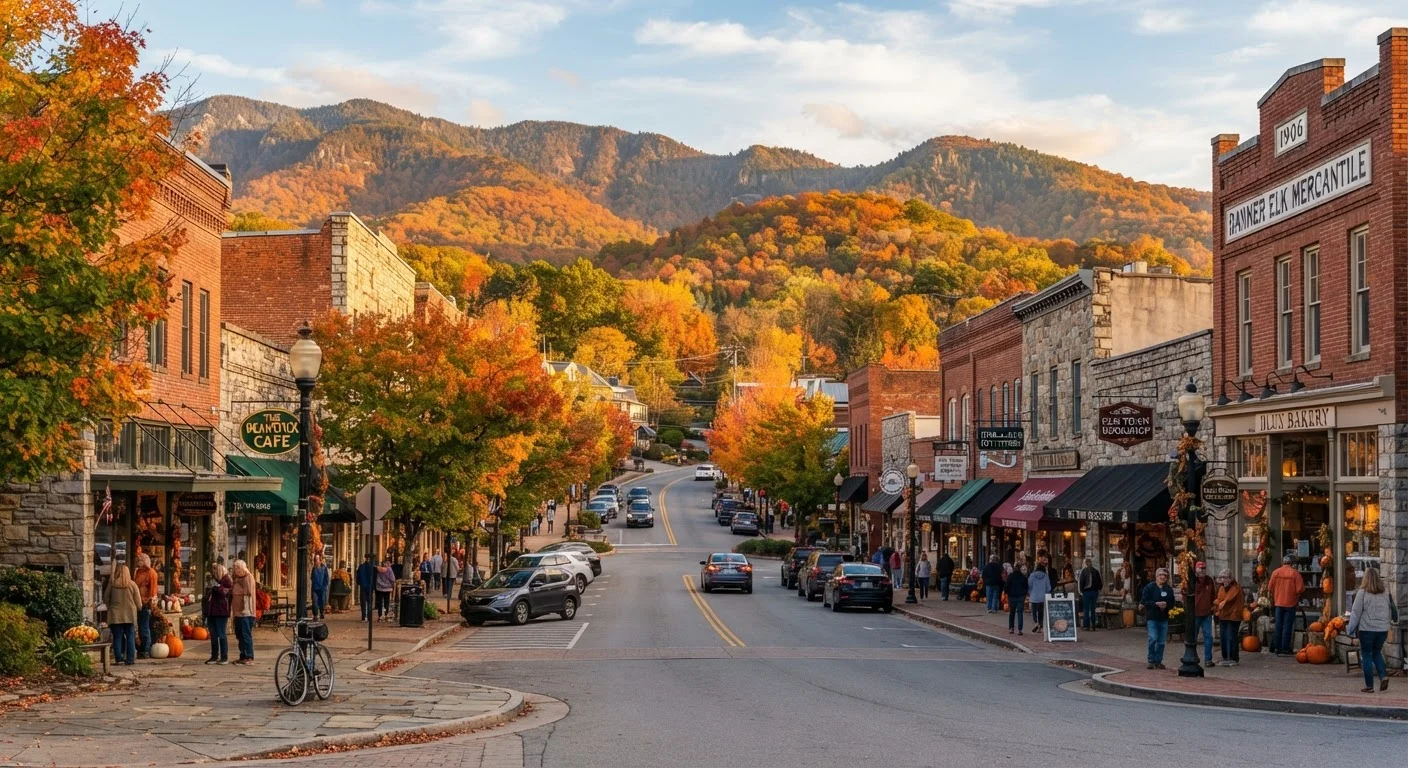
Photo credit: ExplorerGrid.com | Endless Grid Of Factual Content
In this article
The towns strung along the Appalachian Trail each have their own personality. Learn what makes places like Hot Springs, Damascus, and Harpers Ferry worth a stop.
Key Takeaways
- Each Appalachian Trail gateway town has a distinct personality, from hot springs to civil war history.
- You don't need to be a thru-hiker to enjoy these communities — they welcome all travelers.
- Towns like Damascus, Harpers Ferry, and Hot Springs offer lodging, food, and outdoor access year-round.
- Seasonal timing affects trail conditions and town atmosphere, so plan accordingly.
- These towns are gateways into Appalachian culture, not just trailheads.
Why AT Gateway Towns Deserve a Spot on Your Itinerary
The Appalachian Trail stretches roughly 2,190 miles from Georgia's Springer Mountain to Maine's Katahdin — and along the way, it threads through or near dozens of small towns that have shaped their identities around the trail for generations. These aren't just supply stops for thru-hikers. They're living communities with local restaurants, heritage sites, festivals, and the kind of unhurried pace that's increasingly rare.
Whether you're planning a weekend road trip through the mountains or looking to pair a short hike with some genuine regional culture, AT towns reward travelers who slow down and pay attention. From the mineral-rich waters of western North Carolina to the colonial drama of West Virginia, the trail corridor covers a remarkable range of American landscapes and stories. If you're curious how Appalachia fits into a broader Southern road trip, this orientation to the American South as a travel region is a useful starting point.
Hot Springs, North Carolina
Hot Springs earns its name. Natural mineral springs flow directly through this small mountain town, and a soak after a day on the trail is something hikers and casual visitors alike look forward to. The AT actually passes down the main street here — one of the few places in the country where that happens — making for an unusually intimate relationship between the town and the trail.
Beyond the springs, Hot Springs sits in the Pisgah National Forest corridor and offers access to the French Broad River for rafting and fishing. The town is small, with a population in the hundreds, but it punches above its weight in charm. Expect locally owned outfitters, cozy restaurants, and a community that genuinely welcomes strangers.
The AT passes right down Hot Springs' main street — trail life and town life are inseparable here.
Damascus, Virginia
Damascus bills itself as "the friendliest town on the trail," and it's hard to argue. Located in the far southwestern corner of Virginia, this compact community hosts Trail Days each May — a beloved annual festival that draws thousands of hikers, past and present, for a weekend of celebration, gear swaps, and community.
Damascus also sits at the intersection of multiple long-distance trails, including the Virginia Creeper Trail, a popular rails-to-trails route perfect for cycling. That makes it unusually versatile as a base for outdoor exploration. The downtown is walkable, accommodations range from hiker hostels to small inns, and the surrounding Jefferson National Forest offers day hike options at every fitness level.
Damascus hosts Trail Days each May, turning a quiet mountain town into a vibrant hiker reunion.
Harpers Ferry, West Virginia
Few towns on the AT corridor carry as much historical weight as Harpers Ferry. The site of John Brown's 1859 raid on a federal armory — a flashpoint in the run-up to the Civil War — Harpers Ferry is now a National Historical Park, and much of the lower town looks remarkably similar to its 19th-century self. Walking those cobblestone streets with the Shenandoah and Potomac Rivers converging below is genuinely moving.
The trail passes right through the park, and the Appalachian Trail Conservancy's headquarters is located here, making it a symbolic midpoint for northbound thru-hikers. For non-hikers, the combination of history, river access, and scenic overlooks makes it one of the most complete day-trip or overnight destinations along the entire corridor.
Harpers Ferry blends Civil War history, river scenery, and the AT into one of the trail's most storied stops.
Gorham, New Hampshire
Gorham serves as a gateway to the White Mountains — some of the most demanding and awe-inspiring terrain on the entire AT. It's the last significant town before the trail climbs into the Presidential Range, including Mount Washington, which is notorious for extreme and rapidly changing weather. Gorham itself is a working northern New England town, unpretentious and practical.
Visitors come here to access the Whites for hiking, skiing (nearby Wildcat Mountain), and scenic drives along Route 2. The town offers solid lodging options and a handful of solid local eateries. If you're planning any time above tree line in the Whites, Gorham is the natural staging point — and local outfitters can provide genuinely useful safety information for the mountains ahead.
Gorham is your last comfortable foothold before the White Mountains' legendary — and demanding — terrain begins.
Millinocket, Maine
Millinocket is the end-of-the-road town for northbound thru-hikers finishing at Katahdin — and it carries a quiet, hardscrabble pride that feels earned. A former paper mill town that has reinvented itself around outdoor recreation and AT tourism, Millinocket is a genuine case study in community resilience.
The town serves as the southern gateway to Baxter State Park, where Katahdin rises dramatically from the surrounding boreal forest. Non-hikers who make it this far north are rewarded with moose sightings, remote lakes, and a landscape that feels genuinely wild. Millinocket itself is small, but the hospitality is warm and the sense of being at the edge of something vast is palpable.
Millinocket's reinvention around trail tourism shows how outdoor recreation can breathe new life into a community.
Waynesboro, Virginia
Waynesboro sits at the southern end of Shenandoah National Park where Skyline Drive meets the AT, making it a natural gateway for both trail and park access. It's a small city — larger than most AT towns — with a functioning arts scene, a walkable downtown, and a strong network of services that appeal to hikers and non-hikers alike.
The nearby Blue Ridge Parkway begins just outside town, which alone makes Waynesboro worth a visit in autumn when the foliage is at its peak. The South River runs through the community and offers a pleasant greenway for walking and cycling. For travelers looking to combine Shenandoah scenery with an actual town atmosphere rather than just park campgrounds, Waynesboro hits a useful balance.
Waynesboro bridges Shenandoah National Park access with a genuine small-city arts and dining scene.
Planning Your Visit: What to Keep in Mind
Timing matters when visiting AT gateway towns. Spring and fall tend to be peak traffic periods on the trail itself, which means local hostels, inns, and diners buzz with energy — especially in April through June as northbound thru-hikers pass through. Summer brings family travelers and day hikers. Winter is quieter but can mean limited services in smaller communities, so always verify hours and availability before you go.
Time Your Visit for the Right Vibe
If you want to witness the social energy of the trail community, visit gateway towns in April through June when northbound thru-hikers are in full swing. For quieter, more scenic conditions with fewer crowds, late September and October bring spectacular fall color and cooler temperatures. Always check local event calendars — many AT towns host festivals and community events that can transform your trip.
For travelers who love mountain towns but want to explore beyond the East Coast, underrated mountain towns in the American West offers a compelling counterpart. Each region has its own character — what unites them is the reward of leaving the interstate behind and discovering a place shaped by its terrain.
Trail conditions, road access, and town services can change seasonally or due to weather and other factors. Verify current information with local visitor centers and official sources before traveling.

Author
Travel & Trips Editorial Team
Travel & Trips Editorial Team is the collective byline for our editorial team and contributor network. Articles published under this byline or an editorial pen name are researched, written, and reviewed according to our editorial standards for clarity, consistency, and independence before publication.
View all articles →