
Underrated Mountain Towns in the American West
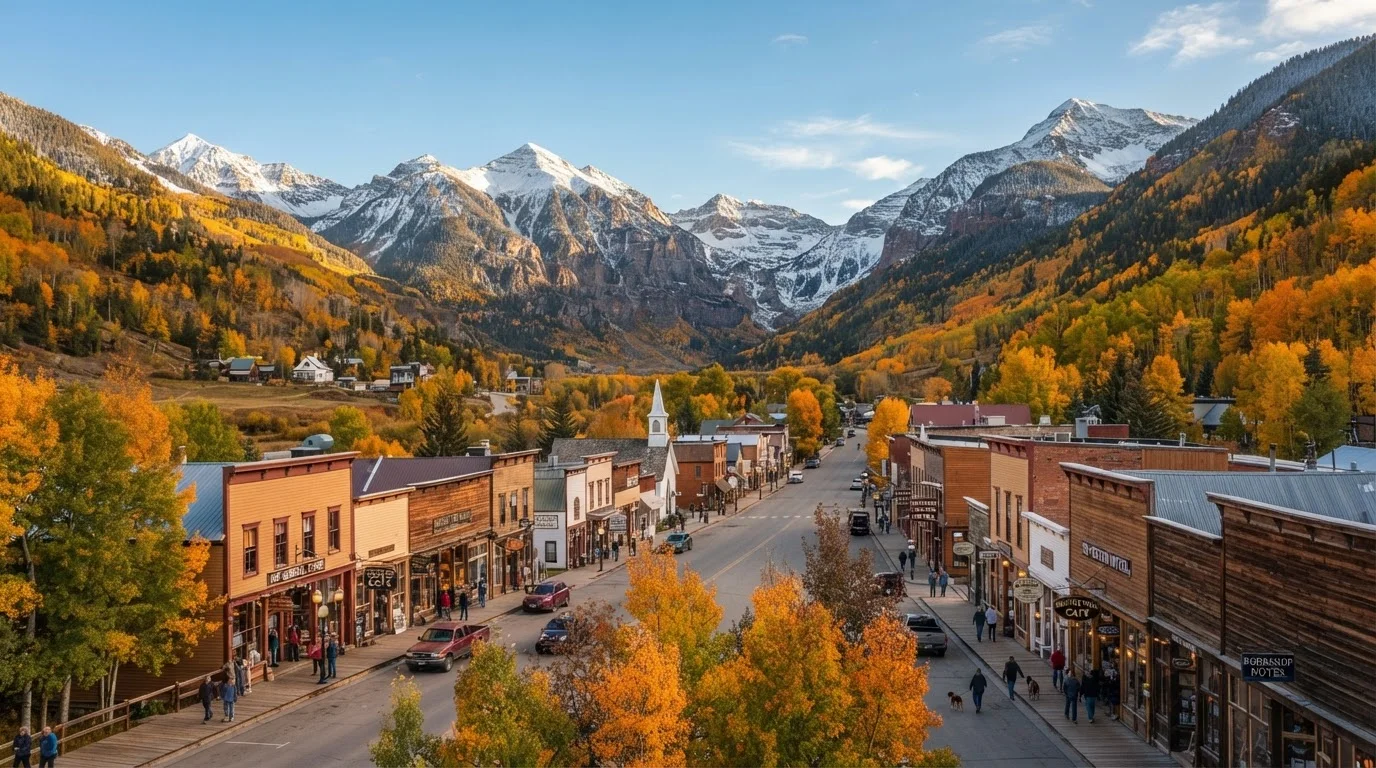
Photo credit: ExplorerGrid.com | Endless Grid Of Factual Content
Beyond the well-known ski resorts, smaller Rocky Mountain towns offer real character. Here are several worth putting on your radar.
Key Takeaways
- Several Rocky Mountain towns offer genuine character and outdoor access without the crowds of major ski resorts.
- These destinations span multiple states, suiting different interests from hot springs to high-desert hiking.
- Visiting in shoulder seasons can mean lower lodging costs and quieter trails — though availability varies.
- Always verify local conditions, road access, and services before you go, especially in winter months.
Why Look Beyond the Famous Names?
Aspen, Park City, Jackson Hole — these names carry weight for good reason. But the American West is vast, and the Rocky Mountain corridor is dotted with smaller towns that deliver real mountain atmosphere, interesting food scenes, and serious outdoor recreation without requiring you to compete for parking or pay peak-resort prices for a cup of coffee.
Whether you're planning a road trip through Colorado, Idaho, or Montana, or looking for a quieter base camp for hiking and wildlife watching, these underrated spots are worth a serious look. For a complementary adventure further south, our guide to what each Southwest national park actually offers can help you extend the trip into canyon country.
Salida, Colorado
Tucked into the Arkansas River Valley and ringed by fourteen-thousand-foot peaks, Salida has built a reputation as a genuine arts community without losing its outdoorsy soul. The town's compact downtown — called Historic Downtown Salida — holds galleries, independent cafés, and live music venues. The Arkansas River draws kayakers and rafters in summer, while nearby Monarch Mountain offers skiing on a more manageable scale than the resort giants. Hot springs at Salida Hot Springs Aquatic Center are a local bonus for sore muscles after a day on the trail.
Salida pairs a thriving arts scene with serious mountain recreation in one compact, walkable package.
Sandpoint, Idaho
Sitting on the northern tip of Lake Pend Oreille — one of the largest and deepest lakes in the US — Sandpoint earns its place on any underrated list. The town has a creative, slightly offbeat energy: independent bookstores, a lively farmers market, and a performing arts center that punches well above the town's size. Schweitzer Mountain Resort nearby handles the skiing, while the lake offers sailing, paddleboarding, and fishing from spring through fall. The surrounding Selkirk and Cabinet Mountains provide backcountry options for more experienced hikers.
Sandpoint's combination of a giant mountain lake and ski-resort access makes it a genuinely four-season destination.
Ouray, Colorado
Called the "Switzerland of America" by locals proud of its dramatic setting, Ouray sits in a box canyon with cliff walls rising on three sides. The town is small — fewer than a thousand residents — but its infrastructure for visitors is surprisingly well developed. Ice climbing in the Ouray Ice Park draws enthusiasts every winter, while the surrounding San Juan Mountains offer jeep touring, hiking, and photography in summer and fall. Ouray's natural hot springs pool, fed by geothermal water, has been a draw since the nineteenth century.
Ouray's ice park and hot springs pool make it a rare mountain town worth visiting in both summer and deep winter.
Leavenworth, Washington
Yes, the Bavarian theming is a bit theatrical — but Leavenworth's location in the Cascades foothills is entirely genuine, and so is its access to outdoor recreation. The Icicle River corridor provides some of Washington's most reliable rock climbing, while the surrounding national forest trails range from gentle valley walks to serious mountain routes. Winter transforms the town into a well-lit holiday destination, and the Bavarian aesthetic aside, the food scene has grown to include serious wine bars, farm-to-table restaurants, and local cideries that reflect the broader Wenatchee Valley agricultural tradition.
Behind Leavenworth's themed facades lies a legitimately excellent base for Cascades outdoor recreation year-round.
Whitefish, Montana
Whitefish sits just outside Glacier National Park's western boundary, making it a practical base for one of America's most spectacular parks. The town itself has a low-key sophistication — good restaurants, walkable streets, and a functioning community rather than a resort monoculture. Whitefish Mountain Resort handles skiing in winter. The real draw for many visitors, though, is the proximity to Glacier's Going-to-the-Sun Road and the park's backcountry. Note that Glacier requires timed entry permits for certain areas during peak season; plan ahead and check the National Park Service website for current requirements.
Whitefish offers a livable, year-round community feel while serving as the most practical western gateway to Glacier National Park.
Silver City, New Mexico
New Mexico doesn't always come up in Rocky Mountain conversations, but Silver City occupies a compelling niche at the edge of the Gila Wilderness — the first designated wilderness area in the US, established in 1924. The town has a pronounced arts scene anchored by Western New Mexico University and a historic downtown with Victorian-era architecture. The surrounding Gila National Forest offers hot springs reachable only by trail, dramatic cliff dwellings at the Gila Cliff Dwellings National Monument, and bird-watching that draws serious birders from across the country. At roughly six thousand feet elevation, summers are cooler than the surrounding desert.
Silver City is the gateway to the Gila Wilderness, the country's first designated wilderness, making it a historically significant outdoor destination.
Planning Your Visit Confidently
Mountain towns can shift dramatically by season. Summer brings wildflowers and hiking; fall delivers spectacular aspen color; winter means snow sports but also potential road closures. Always check current conditions with local visitor bureaus and state transportation departments before heading out, and confirm that lodging, restaurants, and trailheads are open for your travel window.
Book Shoulder-Season Stays Early
Late September through October and May through early June often offer the best balance of pleasant weather, open trails, and more available lodging in mountain towns. That said, availability in small towns can be surprisingly limited — local inns and vacation rentals fill up faster than travelers expect. Check conditions with each town's visitor center, and have a backup plan if a weather system moves in.
If small-town character is your travel currency, you might also enjoy comparing notes with the East. Our overview of Appalachian Trail gateway communities shows how a completely different landscape can produce the same spirit of adventure-meets-local-warmth.

Author
Travel & Trips Editorial Team
Travel & Trips Editorial Team is the collective byline for our editorial team and contributor network. Articles published under this byline or an editorial pen name are researched, written, and reviewed according to our editorial standards for clarity, consistency, and independence before publication.
View all articles →