
The American Southwest's National Parks: What Each One Actually Offers
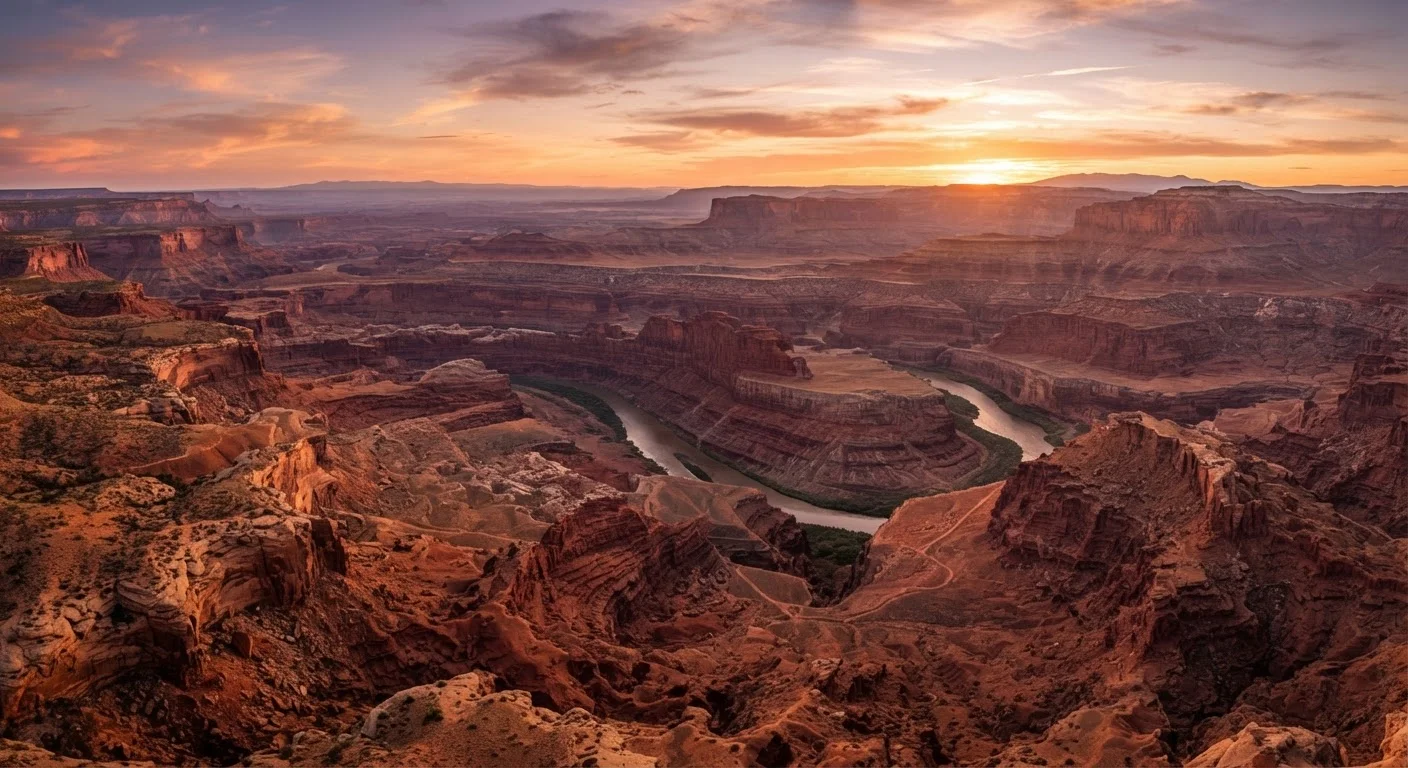
Photo credit: ExplorerGrid.com | Endless Grid Of Factual Content
From the Grand Canyon to Zion, here's what distinguishes each Southwest national park so you can plan the trip that fits you.
Why the Southwest Deserves More Than One Visit
The American Southwest packs more geological drama per square mile than almost anywhere else on Earth. But "I want to see the Southwest" isn't a trip plan — it's a starting point. The region's national parks span five states and range from slot canyon labyrinths to towering volcanic mesas, and each one rewards a very different kind of traveler. This guide breaks down what actually distinguishes these parks so you can match the right one to your pace, fitness level, and interests.
If you're new to national park travel, be sure to review what first-timers consistently overlook before booking — permit systems and timed entry reservations can make or break a Southwest trip.
| Number of national parks covered | 7 parks across AZ, UT, and CO (National Park Service) |
| States represented | Arizona, Utah, Colorado |
| Parks requiring timed entry reservations | Arches, Zion (peak season) (National Park Service, recreation.gov) |
| Highest elevation park in this group | Bryce Canyon (~8,000–9,100 ft) (NPS elevation data) |
| Most remote / backcountry-focused | Canyonlands – The Maze district (National Park Service) |
| Best for history and archaeology | Mesa Verde National Park (National Park Service) |
| Peak season for most parks | Late spring through summer (May–August) |
| Shoulder season recommendation | March–May and September–October |
Park by Park: What Sets Each One Apart
Grand Canyon (Arizona)
The Grand Canyon is the benchmark — nearly 280 miles long, a mile deep, and visually overwhelming in a way no photograph fully conveys. The South Rim is accessible year-round and suits first-timers. The North Rim offers more solitude but closes in winter. Hiking into the canyon is a different experience from the rim: temperatures rise sharply, distances are deceptive, and the National Park Service actively discourages rim-to-river day hikes in summer. This park rewards patience and preparation over impulse.
Zion (Utah)
Zion's signature is intimacy — towering sandstone walls channeling the Virgin River into one of America's most stunning corridors. The Narrows (wading upriver through the gorge) and Angels Landing (a nerve-testing ridge hike requiring a permit lottery) are iconic for good reason. The park runs a mandatory shuttle system in peak season, which shapes how you move through it. Zion is physically demanding and draws enormous crowds; shoulder-season visits in spring and fall offer the best balance of conditions and trail access.
Bryce Canyon (Utah)
Bryce isn't technically a canyon — it's an amphitheater of eroded limestone spires called hoodoos, glowing pink and orange at sunrise. The elevation sits above 8,000 feet, making it cooler than most Southwest parks and genuinely snowy in winter (which creates stunning contrast). Trail difficulty ranges from easy rim walks to moderate descents among the hoodoos themselves. Bryce pairs naturally with Zion on a Utah road trip.
Arches (Utah)
Arches holds more natural stone arches — over 2,000 — than anywhere else on the planet. The landscapes are surreal and photogenic, but the park is relatively compact, meaning it gets extremely crowded. Timed entry reservations are now required during peak periods. Delicate Arch, the state's unofficial symbol, involves a 3-mile round-trip hike with no shade. Early morning visits dramatically improve both crowd levels and light quality.
Canyonlands (Utah)
Adjacent to Arches but far less visited, Canyonlands is the Southwest's most rugged and remote park. Its three districts — Island in the Sky, The Needles, and The Maze — offer wildly different experiences. Island in the Sky delivers dramatic overlooks with minimal effort; The Maze requires backcountry permits, high-clearance vehicles, and serious navigation skills. This is the park for travelers who want genuine wilderness rather than a scenic overlook circuit.
Saguaro (Arizona)
Saguaro National Park, split into two districts flanking Tucson, centers on the iconic giant saguaro cactus — found only in the Sonoran Desert. It's a quieter, more contemplative park ideal for early-morning or late-afternoon walks, especially in spring when wildflowers bloom. Summer heat is intense; visit between October and April for comfortable hiking. If you're curious about desert city travel more broadly, consider the tradeoffs of desert city travel in summer before you plan around heat season.
Mesa Verde (Colorado)
Mesa Verde stands apart from every other Southwest park because its main attraction is human, not geological. The park protects over 5,000 ancestral Puebloan archaeological sites, including cliff dwellings that date back roughly 1,400 years. Ranger-led tours into Cliff Palace and Balcony House require tickets and involve ladders and crawling — physically accessible but genuinely immersive. Mesa Verde rewards curiosity and history interest above all else.
For a sense of the broader Western landscape surrounding these parks, underrated mountain towns in the American West can add real texture to a multi-stop itinerary.

Author
Travel & Trips Editorial Team
Travel & Trips Editorial Team is the collective byline for our editorial team and contributor network. Articles published under this byline or an editorial pen name are researched, written, and reviewed according to our editorial standards for clarity, consistency, and independence before publication.
View all articles →