
Seasonal Car Maintenance: Preparing Your Vehicle for Changing Conditions
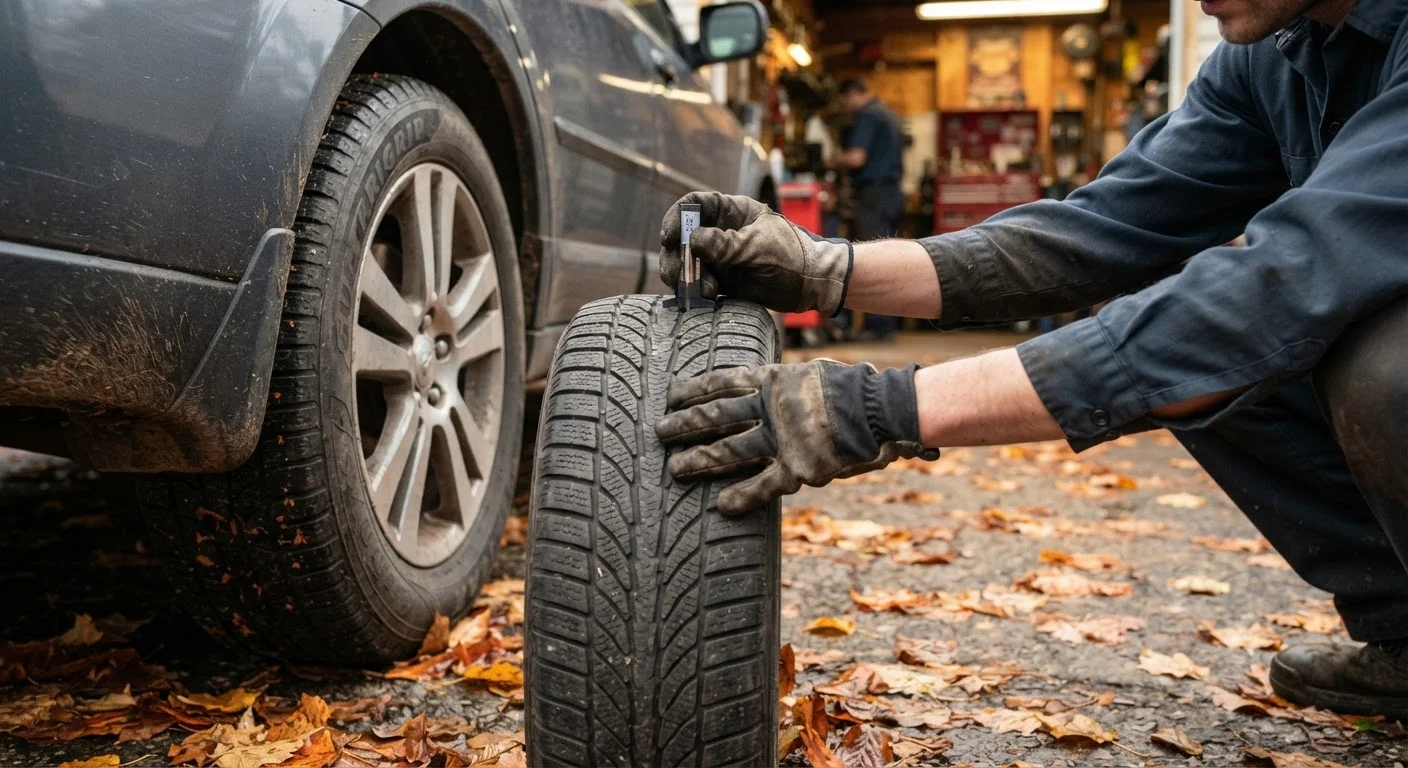
Photo credit: ExplorerGrid.com | Endless Grid Of Factual Content
In this article
From summer heat to winter road salt, each season puts different demands on your car. A practical rundown of what to check and when.
Key Takeaways
- Seasonal transitions are the most practical times to audit your vehicle's fluids, tires, and battery.
- Cold weather accelerates battery failure — batteries typically last 3–5 years and should be tested each fall.
- Summer heat stresses coolant, tires, and air conditioning systems more than any other season.
- Winter road salt is one of the leading causes of undercarriage corrosion on vehicles in northern states.
- Many seasonal checks take under 10 minutes and can prevent repairs costing hundreds or thousands of dollars.
Why Seasonal Maintenance Is Worth the Effort
Every seasonal shift puts a different kind of stress on your vehicle. Summer heat degrades rubber and strains the cooling system. Winter cold saps battery output and accelerates corrosion. Ignoring these predictable patterns is one of the most common — and most avoidable — reasons drivers face expensive repairs.
The good news: most seasonal checks take very little time and cost little or nothing when done proactively. A $15 antifreeze tester used in October can prevent a blown head gasket in February. A quick tire tread check in September can mean the difference between confident winter driving and a dangerous skid.
This checklist is organized by season so you can work through it in segments rather than all at once. For a broader view of how proactive maintenance shapes your overall ownership costs, see our guide on keeping maintenance costs under control. And if you're newer to vehicle ownership, our introduction to car maintenance for new drivers provides useful context alongside this checklist.
Don't Skip the Undercarriage After Winter
Road salt and brine used on winter roads don't just affect paint — they attack brake lines, exhaust components, and frame rails from below. Corrosion on brake lines in particular can develop silently and lead to brake failure. A thorough undercarriage wash in early spring, and a visual inspection by a qualified mechanic, is worth the time and cost every year.
Battery Tests Aren't Just for Older Cars
Even a battery that starts your car reliably in September can fail in January when temperatures drop. Cold weather can reduce a battery's effective capacity by 30–60%. If your battery is more than three years old, have it load-tested each fall — not just checked with a quick voltage reading — to get a realistic picture of its winter readiness.
Tools You'll Need
You don't need a garage full of equipment to work through these seasonal checks. The tools below cover the core tasks and are widely available at auto parts stores. For anything beyond a visual or basic measurement check, a professional shop is the appropriate next step.
Tire Pressure Gauge
Accurately measure tire PSI across all seasons, especially after temperature swings.
Tread Depth Gauge
Measure remaining tire tread to determine whether tires are safe for wet or winter roads.
Antifreeze/Coolant Tester
Verify coolant freeze-protection level before winter temperatures arrive.
Multimeter or Battery Load Tester
Test battery voltage and cold-cranking capacity — many auto parts stores offer this service free of charge.
Flashlight or Work Light
Inspect under the hood, under the vehicle, and around brake components in low-light conditions.
Vehicle Owner's Manual
Confirm manufacturer-recommended fluid specs, tire pressures, and seasonal service intervals specific to your vehicle.
One tool many drivers overlook: their vehicle's owner's manual. It contains manufacturer-specific service intervals and fluid specifications that generic advice can't replicate. See our article on getting the most from your owner's manual for a practical overview.
The Seasonal Checklist
Work through the relevant section as each season approaches. Items marked must are safety- or reliability-critical. Items marked should are strongly recommended for most drivers. Nice to have items offer additional protection but can be skipped if time or budget is tight.
Know When a Job Requires a Professional
Fluid checks, visual tire inspections, and light tests are reasonable DIY tasks for most drivers. However, brake inspections, coolant system flushes, belt replacements, and air conditioning repairs involve safety-critical systems and specialized tools — these should be handled by a qualified mechanic. If you're uncertain about what you're seeing under the hood, err on the side of a professional evaluation.
Spring Preparation
Summer Preparation
Fall Preparation
Winter Preparation
A Note on Batteries and Tires — the Two Biggest Seasonal Wildcards
Of all the seasonal maintenance areas, batteries and tires generate the most unexpected failures — often because their decline is gradual and easy to miss until conditions reveal it suddenly.
Batteries typically last three to five years, but heat shortens their internal lifespan while cold reduces their output capacity. A battery weakened by a hot summer may not show obvious symptoms until the first genuinely cold morning. For a thorough breakdown of how your battery ages and what to watch for, see our article on how a car battery works and when to replace it.
Tires are equally subject to seasonal shifts. Rubber stiffens in cold temperatures, pressure drops as the air inside contracts, and wet-weather traction depends on tread depth. The widely cited minimum legal tread depth of 2/32" is a legal threshold, not a safety recommendation — most tire safety organizations suggest replacing tires at 4/32" for adequate wet-road performance. Drivers in regions with regular snow and ice should consider dedicated winter tires, which use a different rubber compound designed to stay pliable below 45°F.
For drivers of higher-mileage vehicles, seasonal checks take on additional importance. Our guide on maintenance priorities after 100,000 miles covers the areas that deserve extra attention as a vehicle ages.
Understanding how fluids interact with seasonal conditions is also worth your time — from oil viscosity in cold weather to coolant protection in summer heat. Our overview of car fluids every driver should know explains what each fluid does and what warning signs look like when levels or condition slip.

Author
Automotive Editorial Team
Automotive Editorial Team is the collective byline for our editorial team and contributor network. Articles published under this byline or an editorial pen name are researched, written, and reviewed according to our editorial standards for clarity, consistency, and independence before publication.
View all articles →