
The True Cost of Car Ownership Beyond the Sticker Price
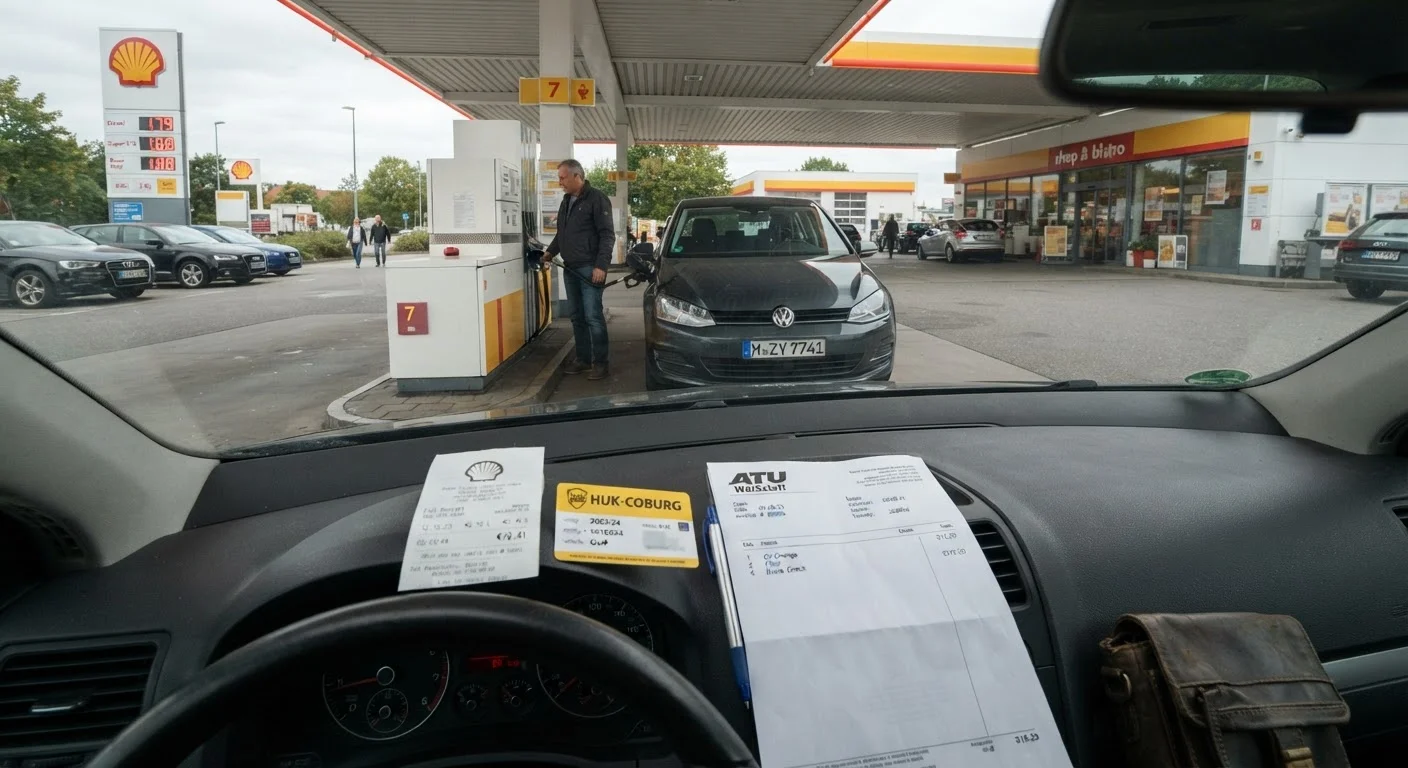
Photo credit: ExplorerGrid.com | Endless Grid Of Factual Content
In this article
Depreciation, insurance, fuel, and maintenance add up fast. Here's what car ownership actually costs over time—and how to plan for it.
Key Takeaways
- The average American driver spends well over $10,000 per year on total vehicle ownership costs.
- Depreciation typically accounts for 40–50% of the true cost of owning a new vehicle.
- Insurance premiums, registration fees, and loan interest can easily exceed $3,000 annually.
- Routine maintenance and fuel together often add another $3,000–$4,000 per year for average drivers.
- An emergency repair fund of $1,000–$2,000 per year is a prudent budget line most owners skip.
- Tracking all cost categories together — not just the monthly payment — is the foundation of smart car budgeting.
Why the Purchase Price Is the Smallest Part of the Story
Most car buyers focus almost entirely on negotiating the sticker price or minimizing the monthly payment. Those numbers matter, but they represent only a fraction of what a vehicle will actually cost over its life in your driveway. When every ownership expense is tallied — depreciation, insurance, fuel, maintenance, repairs, registration, and financing charges — the annual total routinely surprises even financially careful drivers.
According to AAA's annual Your Driving Costs study, the average cost of owning and operating a new vehicle in the US has consistently exceeded $10,000 per year in recent years, depending on vehicle type and mileage. For an SUV-driving household putting 15,000 miles on the odometer annually, that figure can climb considerably higher. Understanding every cost category before you buy is the single most effective step toward avoiding financial strain down the road.
Depreciation: The Largest Cost You Never Get a Bill For
Depreciation is the difference between what you paid for a vehicle and what it's worth when you sell or trade it — and it is, by a wide margin, the biggest expense most owners never consciously account for. A new car typically loses 15–20% of its value in the first year alone, and roughly 50–60% over five years, though the exact rate varies by make, model, and market conditions.
Because depreciation doesn't arrive as a monthly invoice, it's psychologically easy to ignore. But if you paid $40,000 for a vehicle and sell it five years later for $18,000, that $22,000 loss is as real as any repair bill. How depreciation works and why it matters for your budget is explained in depth in our companion guide — worth reading before you decide between new and used.
When comparing two vehicles, calculate the five-year depreciation estimate for each — not just the monthly payment — before deciding which is the better financial choice.
Depreciation accounts for the largest share of true ownership cost, yet it's routinely omitted from buyer comparisons that focus only on purchase price or loan payment.
Set up a dedicated savings account labeled 'car repairs' and automate a fixed monthly transfer into it — even $75 per month builds a $900 annual buffer that absorbs most routine unexpected repairs without touching your general budget.
Behavioral finance research consistently shows that earmarked funds are spent as intended far more reliably than mental accounting alone.
Vehicles that hold their value better — historically, trucks and certain SUVs — can meaningfully lower your per-mile depreciation cost if you drive high mileage, even if their sticker prices are higher upfront.
Insurance, Registration, and Finance Charges
After depreciation, the trio of insurance, registration fees, and loan interest forms the next largest cost block. Auto insurance premiums in the US average roughly $1,500–$2,000 per year for full coverage, though rates vary substantially by state, driving record, age, vehicle type, and coverage limits. A minor at-fault accident or a single DUI conviction can double or triple that figure.
Annual registration and title fees vary widely by state — from under $100 to several hundred dollars — and some states charge property taxes on vehicles as well. If you finance the purchase, interest charges over a 60- or 72-month loan at current rates can add $3,000–$6,000 or more to the total cost, depending on the loan amount and rate. Understanding the full financial difference between leasing versus buying a vehicle can help you evaluate which path minimizes these fixed costs for your situation.
Fuel and Routine Maintenance
Fuel is one of the most visible ongoing costs — and one of the most variable. A driver covering 15,000 miles per year in a vehicle averaging 28 mpg will consume roughly 535 gallons annually. At $3.50 per gallon, that's about $1,875 per year. A less fuel-efficient truck or SUV at 18 mpg burns closer to 835 gallons — nearly $2,925 at the same price. Fuel costs alone can differ by $1,000 or more annually based purely on the vehicle you choose.
Routine maintenance — oil changes, tire rotations, air filters, brake pads, wiper blades, and scheduled inspections — typically runs $500–$1,200 per year for a properly maintained vehicle, rising with age and mileage. Skipping recommended service intervals rarely saves money; deferred maintenance tends to accelerate wear and convert small expenses into large ones. A full reference list of recurring ownership costs and typical annual amounts is available in our ongoing costs guide.
Track Your Fuel and Maintenance Spending
Use a simple spreadsheet or a free app to log every fuel fill-up and service visit over 12 months. Many drivers are surprised to find their actual fuel and maintenance spend is 30–40% higher than their estimate. A year of real data makes future budgets dramatically more accurate.
Unexpected Repairs and the Emergency Fund Gap
Even a well-maintained vehicle will eventually need unplanned repairs. A transmission rebuild, a failed water pump, or a set of four new tires can each run $800–$3,000 or more. Yet most car owners carry no dedicated repair reserve — they absorb these costs on a credit card or delay necessary work, which often compounds the problem.
A reasonable planning figure is $500–$1,500 per year in an earmarked repair fund, escalating as the vehicle ages past 100,000 miles. Owners who treat this as a non-negotiable budget line rarely feel blindsided by repair bills. Those who don't are the subject of the most common financial missteps that catch car owners off guard.
Don't Confuse the Monthly Payment With Total Cost
Stretching a loan to 72 or 84 months lowers the monthly payment but significantly increases total interest paid — and can leave you 'underwater' (owing more than the car is worth) for years. Always calculate the total amount you'll pay over the full loan term before signing, not just the monthly figure.
Building a Realistic Ownership Budget
The goal isn't to be pessimistic about car ownership — it's to go in clear-eyed. A practical annual ownership budget should include a line for each major category: depreciation (even if estimated), insurance, registration, financing costs, fuel, routine maintenance, and a repair reserve. Adding these up before purchase, not after, is what separates confident owners from stressed ones.
A useful rule of thumb: if all-in annual ownership costs would exceed 20–25% of your gross annual income, consider a less expensive vehicle, a shorter loan term, or a higher down payment to reduce interest charges. Common beliefs about car costs that often lead to bigger bills are worth examining before you finalize any purchase decision. And for a complete first-time framework, see our starter's financial roadmap for car ownership.
$10,000+
Average annual cost to own and operate a new vehicle
According to AAA's annual Your Driving Costs study, total ownership expenses routinely exceed this threshold for average US drivers.
50–60%
Typical new-car value lost over five years
Industry data consistently shows new vehicles lose roughly half their value within five years, making depreciation the dominant ownership cost.
$1,500–$2,000
Average annual full-coverage auto insurance premium
National averages vary significantly by state, driver profile, and coverage level; high-risk drivers can pay substantially more.
This article is for general informational and educational purposes. Cost figures cited are general estimates and may vary based on location, vehicle type, driving habits, and market conditions. Consult a qualified financial professional for guidance specific to your circumstances.

Author
Automotive Editorial Team
Automotive Editorial Team is the collective byline for our editorial team and contributor network. Articles published under this byline or an editorial pen name are researched, written, and reviewed according to our editorial standards for clarity, consistency, and independence before publication.
View all articles →