
Vehicle Depreciation Explained: Why Your Car Loses Value the Moment You Drive It
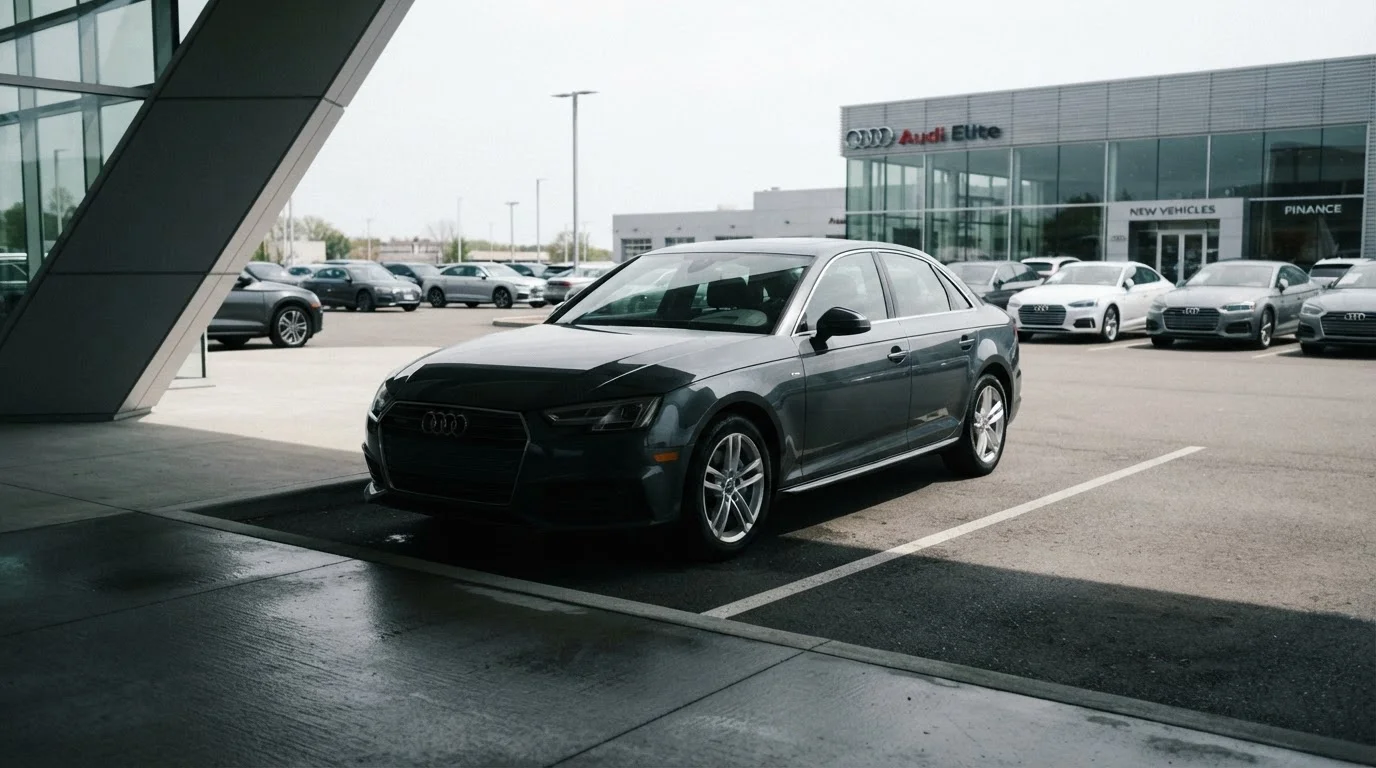
Photo credit: ExplorerGrid.com | Endless Grid Of Factual Content
In this article
Depreciation is the single largest cost most car owners never see on a bill. Learn how it works and why it matters for your budget.
Key Takeaways
- A new car typically loses 15–25% of its value in the first year of ownership.
- Depreciation is a cost you pay whether you notice it on a bill or not.
- Factors like mileage, condition, brand reputation, and market demand all affect how fast a vehicle depreciates.
- Buying a gently used vehicle is one of the most effective strategies for reducing depreciation losses.
- Understanding depreciation helps you make smarter decisions about buying, selling, and budgeting for a vehicle.
Why Depreciation Is the Cost You Never Get a Bill For
Most car costs announce themselves — a monthly loan statement, a fuel receipt, an invoice from the service department. Depreciation is different. It erodes your vehicle's value silently, every single day, without generating a single piece of paper. Yet for the average American driver, it typically accounts for more of the true cost of ownership than any other single expense.
Understanding depreciation isn't just an accounting exercise. It directly shapes the smartest time to buy, how long to keep a vehicle, and how to avoid the financial trap of being "underwater" on a loan. For a fuller picture of what ownership actually costs over time, see our overview of total car ownership costs.
15–25%
Average new car value lost in year one
Industry valuation guides broadly cite this range as typical for new vehicles during their first 12 months of ownership.
~50–60%
Value lost by year five
Most new vehicles have depreciated to roughly 40–50% of their original purchase price by the end of the fifth year, according to widely referenced automotive valuation data.
$3,000–$5,000
Estimated annual depreciation cost per vehicle
The American Automobile Association has historically cited depreciation as one of the largest annual cost categories in its annual driving cost studies, often exceeding fuel and maintenance individually.
How Depreciation Works: The First Year Is the Steepest
Depreciation is not linear. It hits hardest early in a vehicle's life and gradually flattens as the car ages. Here's why that matters:
- The lot-to-road drop: When a vehicle is registered and driven off the dealership, it immediately transitions from "new" to "used" in the resale market. That shift alone accounts for a meaningful value loss before a single mile appears on the odometer.
- Year one: On average, new vehicles lose roughly 15–25% of their value during the first year of ownership, according to broadly cited industry data.
- Years two through five: Depreciation continues but at a slower rate — commonly in the range of 10–15% per year. By the end of year five, many vehicles have lost 50–60% of their original purchase price.
- After five years: The curve flattens considerably. Older vehicles that have already absorbed the steepest losses depreciate more slowly, though mechanical age and condition become larger factors.
This curve is precisely why a two- or three-year-old vehicle with moderate mileage can represent strong value — much of the depreciation has already been absorbed by the first owner. Our financial breakdown of new vs. used vehicles explores this trade-off in detail.
What Drives Depreciation Faster — or Slower
No two vehicles depreciate at the same rate. Several variables interact to determine how quickly a specific car loses value:
- Mileage
- Higher annual mileage accelerates depreciation. The industry benchmark used by most valuation guides is roughly 12,000–15,000 miles per year. Vehicles that exceed this see steeper declines.
- Condition
- Dents, interior wear, and deferred maintenance all reduce resale appeal and market value. A well-maintained vehicle with documented service history commands a measurable premium.
- Brand and model reputation
- Vehicles with strong long-term reliability track records and high consumer demand consistently hold value better than those with weaker reputations or narrower audiences.
- Market demand and fuel prices
- Large trucks and SUVs have historically depreciated more slowly than passenger sedans in many periods, partly due to sustained demand. When fuel prices spike, fuel-efficient vehicles may hold value better while large-displacement vehicles soften.
- Color and trim
- Unusual colors or trim packages with limited mass-market appeal can narrow the pool of potential buyers and accelerate depreciation at resale.
Depreciation, Loans, and the Risk of Going Underwater
Depreciation becomes a direct financial risk when it's paired with a vehicle loan. If a car's value drops faster than the loan balance decreases — a scenario that's common in the early years of a loan, especially with small down payments or long loan terms — the owner ends up owing more than the vehicle is worth. This is called being upside down or underwater on the loan.
The consequences of being underwater include:
- If the car is totaled in an accident, standard insurance pays market value — not the loan payoff. The gap comes out of the owner's pocket unless gap insurance is in place.
- Trading in or selling the vehicle before the loan is paid off requires covering that gap balance, which is often rolled into the next loan — compounding the problem.
Drivers who are underestimating total vehicle costs are particularly vulnerable to this cycle. A larger down payment, a shorter loan term, and choosing a vehicle with a strong depreciation track record all reduce this risk.
Practical Ways to Manage Depreciation in Your Budget
You cannot eliminate depreciation, but you can make decisions that minimize its financial impact:
- Buy used, not new. A vehicle that is two to three years old has already shed its steepest depreciation. You benefit from the original owner absorbing that loss while often still getting a reliable, relatively modern vehicle.
- Keep meticulous records. Documented service history is one of the most effective tools for preserving resale value. Buyers pay a premium for verifiable maintenance records.
- Mind your mileage. If you drive significantly more than 15,000 miles per year, factor the accelerated depreciation into your ownership cost projections.
- Plan your hold period. The per-year cost of depreciation drops as you hold a vehicle longer, because you spread the total loss across more years of use.
- Account for it in your budget from day one. Our starter's financial roadmap for car ownership walks through how to build depreciation into a realistic monthly budget alongside other ownership costs.
Depreciation is not a flaw in the system — it's simply the economic reality of owning a depreciating asset. Drivers who understand it are far better positioned to make decisions in the showroom, the service lane, and the resale market. For a broader look at the assumptions that quietly cost drivers money, see our piece on common car ownership assumptions that often lead to bigger bills.
Frequently Asked Questions

Author
Automotive Editorial Team
Automotive Editorial Team is the collective byline for our editorial team and contributor network. Articles published under this byline or an editorial pen name are researched, written, and reviewed according to our editorial standards for clarity, consistency, and independence before publication.
View all articles →