
Gutters: What Goes Wrong When Cleaning Gets Skipped
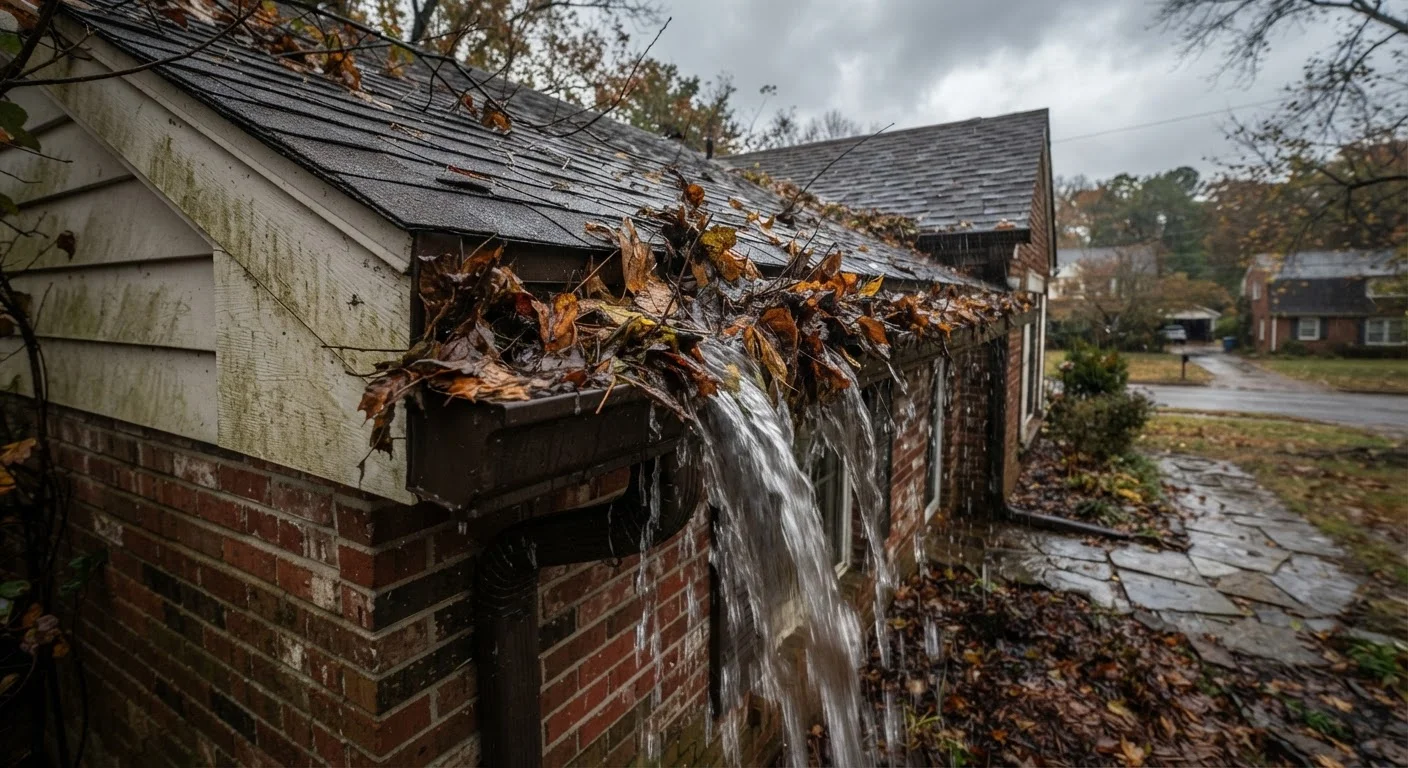
Photo credit: ExplorerGrid.com | Endless Grid Of Factual Content
In this article
Clogged gutters can damage your roof, siding, foundation, and more. Find out exactly what's at risk and how often cleaning is needed.
Key Takeaways
- Skipping gutter cleaning even once can trigger water damage to your roof, siding, and foundation.
- Most homes need gutters cleaned at least twice a year — more often under heavy tree cover.
- Standing water in clogged gutters attracts pests and accelerates gutter corrosion.
- Foundation damage from chronic overflow is among the most expensive home repairs homeowners face.
- Early warning signs include water stains on siding, sagging gutters, and pooling near the home's base.
Why Gutters Deserve More Attention Than They Get
Gutters are easy to ignore. They sit out of sight along the roofline and, when working correctly, do their job invisibly. That invisibility is exactly why gutter maintenance slips off so many homeowners' to-do lists — until water damage makes the problem impossible to overlook.
The gutter system's role is straightforward: channel rainwater off the roof and away from the home's structure. When that system fails, water finds its own path — through roof underlayment, behind siding, along fascia boards, and down into the foundation. Each of those paths represents a different category of expensive repair. As our guide on why deferred maintenance costs homeowners far more in the long run explains, small neglected issues compound quickly into major crises.
The mistakes below reflect the most common ways homeowners shortchange their gutters — and what it costs them when those errors go uncorrected.
The Most Common Gutter Maintenance Mistakes
Understanding where gutter care goes wrong is the first step toward a reliable maintenance routine. Each of the errors below is avoidable with consistent attention and modest effort.
Cleaning gutters only once a year regardless of tree coverage.
Why it happens: Many homeowners adopt a one-size-fits-all schedule, often cleaning only in fall, without accounting for spring seed pods, pine needles, or summer storms that refill gutters quickly.
Assuming gutters are clear because no water is visibly overflowing.
Why it happens: Partial clogs can allow some water to pass while still diverting a damaging portion over the edge or backward under shingles, producing no obvious overflow.
Neglecting downspout extensions so water discharges directly against the foundation.
Why it happens: Homeowners focus on the gutters themselves and overlook the final destination of diverted water, assuming downspouts solve the drainage problem on their own.
Ignoring gutter slope and allowing standing water to sit after rain.
Why it happens: Gutters shift over time due to thermal expansion, settling, or improper installation, gradually losing the slight pitch needed to drain toward downspouts.
Delaying gutter repairs after noticing rust, holes, or separated joints.
Why it happens: Small damage seems minor and is easy to defer, but even a pinhole leak or loose seam can direct water onto fascia boards, siding, or the soffit, where rot sets in quickly.
Foundation Damage Is Not a Minor Fix
When gutters consistently overflow near the foundation, water can infiltrate basement walls, erode soil, and cause structural settling. Foundation repairs can run into tens of thousands of dollars. If you notice persistent pooling or cracks near the base of your home, consult a licensed structural engineer or foundation specialist promptly.
For a broader look at structural warning signs you might be missing, see reading your home like a contractor — it covers what trained eyes catch during a home walkthrough that most owners overlook.
The Damage That Builds When Gutters Are Skipped
2×/year
Minimum recommended gutter cleaning frequency
General home maintenance guidance recommends cleaning gutters at least twice annually — typically in late spring and late fall — though homes near heavy tree cover may need quarterly attention.
$4,000–$10,000+
Typical cost range for foundation crack repair
According to home repair cost surveys, foundation repairs driven by water intrusion represent one of the most expensive consequences of chronic gutter neglect.
Up to 40%
Of basement water problems linked to poor drainage
Home inspection industry estimates suggest a significant share of basement moisture issues trace back to inadequate gutter maintenance and downspout drainage away from the home.
Roof damage is often the first consequence of neglected gutters. When debris builds up and water backs up under shingles — a condition called ice damming in colder climates, or simple saturation in warmer ones — it degrades underlayment and can eventually rot the roof deck itself.
Below the roofline, fascia boards and soffits absorb the constant drip of overflowing gutters. Wood rot in these areas spreads to framing quickly and invites carpenter ants and termites. Further down, chronic overflow saturates soil around the foundation, increasing hydrostatic pressure against basement walls.
Don't Ignore Sagging or Pulling Gutters
Gutters weighed down by debris and standing water can pull away from fascia boards, causing accelerating damage to the roofline. A gutter that has separated even slightly allows water to run directly behind the system and into the wall cavity. Address sagging gutters before the next rain event, and have a qualified contractor assess whether fascia boards have already been compromised.
Mold is another downstream consequence that often goes undetected until it's extensive. Moisture entering wall cavities or basements creates the dark, humid environment mold needs to establish. Remediation is both costly and disruptive. The complete home maintenance owner's resource covers this and other major systems in detail, helping homeowners stay ahead of compounding problems.
This article provides general home maintenance information and educational guidance. Costs, timelines, and repair needs vary by region, home age, and local conditions. Always verify permit requirements and consult licensed professionals for work involving structural, roofing, or drainage systems.

Author
Home & Garden Editorial Team
Home & Garden Editorial Team is the collective byline for our editorial team and contributor network. Articles published under this byline or an editorial pen name are researched, written, and reviewed according to our editorial standards for clarity, consistency, and independence before publication.
View all articles →