
The Honest Pros and Cons of Traveling During Peak Season
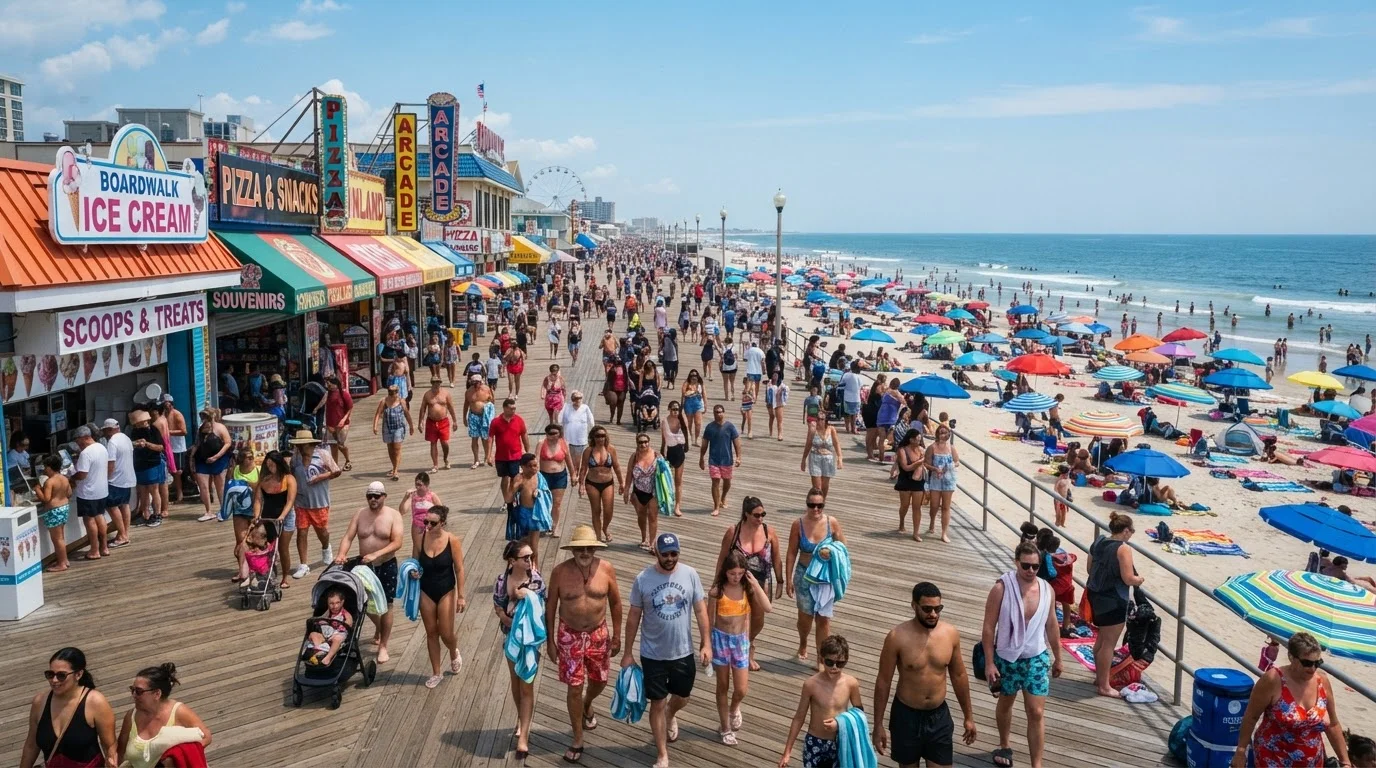
Photo credit: ExplorerGrid.com | Endless Grid Of Factual Content
In this article
Crowds, higher costs, and reliable weather versus availability and atmosphere — a balanced look at what peak-season travel actually delivers.
Key Takeaways
- Peak-season travel typically means reliable weather but significantly higher costs for flights and lodging.
- Popular attractions are fully operational during peak season, but long waits and sold-out reservations are common.
- Booking well in advance is essential to manage availability and budget during high-demand periods.
- Peak season can be ideal for families tied to school calendars but frustrating for flexible travelers.
- Weighing the trade-offs honestly helps you decide whether peak season aligns with your travel goals.
Reliable weather at most popular destinations
Peak season is typically timed around a destination's best weather window, reducing the risk of ruined plans due to cold, rain, or off-season closures.
All attractions and services fully operational
Seasonal tours, park visitor centers, ferry routes, and local businesses are all running at full capacity, giving you the most complete version of the destination.
Vibrant social atmosphere and local energy
Destinations feel alive during peak season — events, festivals, street performers, and fellow travelers create an energetic backdrop that many visitors actively seek out.
Ideal for school-calendar-constrained families
For households tied to academic schedules, peak season is simply when travel is possible, making its trade-offs worth navigating.
More flight and transportation options available
Airlines and transit operators typically increase frequency during peak periods, offering more departure times and routing choices even as prices rise.
Significantly higher costs for flights and lodging
Accommodation and airfare prices routinely spike during peak periods, sometimes substantially compared to shoulder or off-season rates, stretching travel budgets.
Crowds at attractions, beaches, and restaurants
High visitor volumes mean long queues, packed beaches, and competitive waits for popular tables — patience becomes a genuine part of the itinerary.
Reservations required far in advance
Timed entry permits for national parks, popular tours, and sought-after restaurants often sell out weeks or months ahead, limiting last-minute flexibility.
Heat or weather intensity at certain destinations
At some locations — particularly desert cities and southern destinations — peak tourist season coincides with extreme heat that can affect comfort and safety.
Reduced spontaneity and flexibility
When everything from parking to dinner requires a booking, travelers who prefer unplanned exploration often find peak season constraining and stressful.
What Peak Season Actually Means
Peak season refers to the period when a destination experiences its highest visitor volume — typically driven by school holidays, favorable weather, or cultural events. For most US beach destinations, that's June through August. Mountain ski resorts peak in winter. Cities like New York or Washington, D.C. see surges in spring and fall. The timing varies, but the dynamics are consistent: high demand reshapes your entire trip experience.
Understanding those dynamics is the starting point for honest planning. For a deeper look at how to structure your time once you've chosen when to go, see our guide to fixed vs. flexible itineraries. And if you're still weighing whether peak season is even right for you, our shoulder-season trade-offs article lays out the realistic alternative.
The Real Advantages of Traveling at Peak
Reliable weather at most popular destinations
Peak season is typically timed around a destination's best weather window, reducing the risk of ruined plans due to cold, rain, or off-season closures.
All attractions and services fully operational
Seasonal tours, park visitor centers, ferry routes, and local businesses are all running at full capacity, giving you the most complete version of the destination.
Vibrant social atmosphere and local energy
Destinations feel alive during peak season — events, festivals, street performers, and fellow travelers create an energetic backdrop that many visitors actively seek out.
Ideal for school-calendar-constrained families
For households tied to academic schedules, peak season is simply when travel is possible, making its trade-offs worth navigating.
More flight and transportation options available
Airlines and transit operators typically increase frequency during peak periods, offering more departure times and routing choices even as prices rise.
Peak season isn't popular by accident. The benefits are genuine, and for many travelers — particularly families locked into school-year schedules — they're hard to give up. Weather is often the headline: you get longer daylight, warmer temperatures, and a lower chance of trip-disrupting storms at many domestic destinations. Attractions run full hours, seasonal businesses are open, and the social energy of a destination is at its height.
There's also a practical reliability factor. Ferries run on schedule, park visitor centers are staffed, guided tours depart daily. If you're visiting US destinations for the first time, peak season is when the experience is most complete and most curated.
The Real Drawbacks You Should Expect
Significantly higher costs for flights and lodging
Accommodation and airfare prices routinely spike during peak periods, sometimes substantially compared to shoulder or off-season rates, stretching travel budgets.
Crowds at attractions, beaches, and restaurants
High visitor volumes mean long queues, packed beaches, and competitive waits for popular tables — patience becomes a genuine part of the itinerary.
Reservations required far in advance
Timed entry permits for national parks, popular tours, and sought-after restaurants often sell out weeks or months ahead, limiting last-minute flexibility.
Heat or weather intensity at certain destinations
At some locations — particularly desert cities and southern destinations — peak tourist season coincides with extreme heat that can affect comfort and safety.
Reduced spontaneity and flexibility
When everything from parking to dinner requires a booking, travelers who prefer unplanned exploration often find peak season constraining and stressful.
Crowds and cost are the twin realities of peak season. Flights and accommodation prices can climb steeply — sometimes doubling or more compared to off-peak periods — and availability tightens fast. Popular restaurants book out weeks ahead. National park trailheads fill by 7 a.m. Even the best-planned trip can feel like a logistical obstacle course.
Crowd fatigue is real too. Standing in a two-hour line to enter a landmark, or fighting for a spot on a crowded beach, can erode the enjoyment you came for. Travelers who thrive on spontaneity tend to find peak season particularly stressful — when everything requires advance reservations, there's little room to wander.
Not All Peak Seasons Are Created Equal
Peak season timing varies significantly by destination type. A beach town's peak in July is a ski resort's quietest month. Before assuming summer means high season, research the specific destination you're considering. Local tourism boards and National Park Service websites are reliable sources for understanding demand patterns at specific locations.
Hot-weather destinations add another layer of complexity. Our look at US desert cities in summer illustrates how peak season can coincide with genuinely uncomfortable or even hazardous conditions at certain destinations.
How to Make Peak Season Work for You
The most effective peak-season travelers treat advance planning as non-negotiable. Book flights and lodging as early as your schedule permits — often three to six months out for popular destinations. Timed entry reservations for national parks and major attractions should be secured the moment they become available.
Flexibility within peak season also helps: arriving mid-week instead of Friday, hitting popular sites at opening or in the final hour, and choosing accommodations slightly outside the epicenter of a destination can all meaningfully reduce crowd friction. On the transportation side, the choice between driving and flying carries real cost and comfort implications in peak season — our road trip vs. flying comparison walks through what to weigh.
If the crowds and prices of peak season give you pause, it's also worth genuinely exploring the off-season. Our breakdown of coastal New England in the off-season shows how dramatically the experience — and the trade-offs — can shift when you step outside the peak window. Good trip planning ultimately means matching your timing to your priorities, not just defaulting to the busiest months.
3–6 months
Advance booking lead time recommended
Travel planning resources commonly suggest booking popular peak-season destinations three to six months ahead to secure preferred accommodations and activities.
Top 10
US national parks require timed entry reservations
As of recent seasons, a growing number of the most-visited US national parks have implemented timed entry or permit systems to manage peak-season visitor volume.

Author
Travel & Trips Editorial Team
Travel & Trips Editorial Team is the collective byline for our editorial team and contributor network. Articles published under this byline or an editorial pen name are researched, written, and reviewed according to our editorial standards for clarity, consistency, and independence before publication.
View all articles →