
US Desert Cities in Summer: Tradeoffs Worth Considering Before You Book
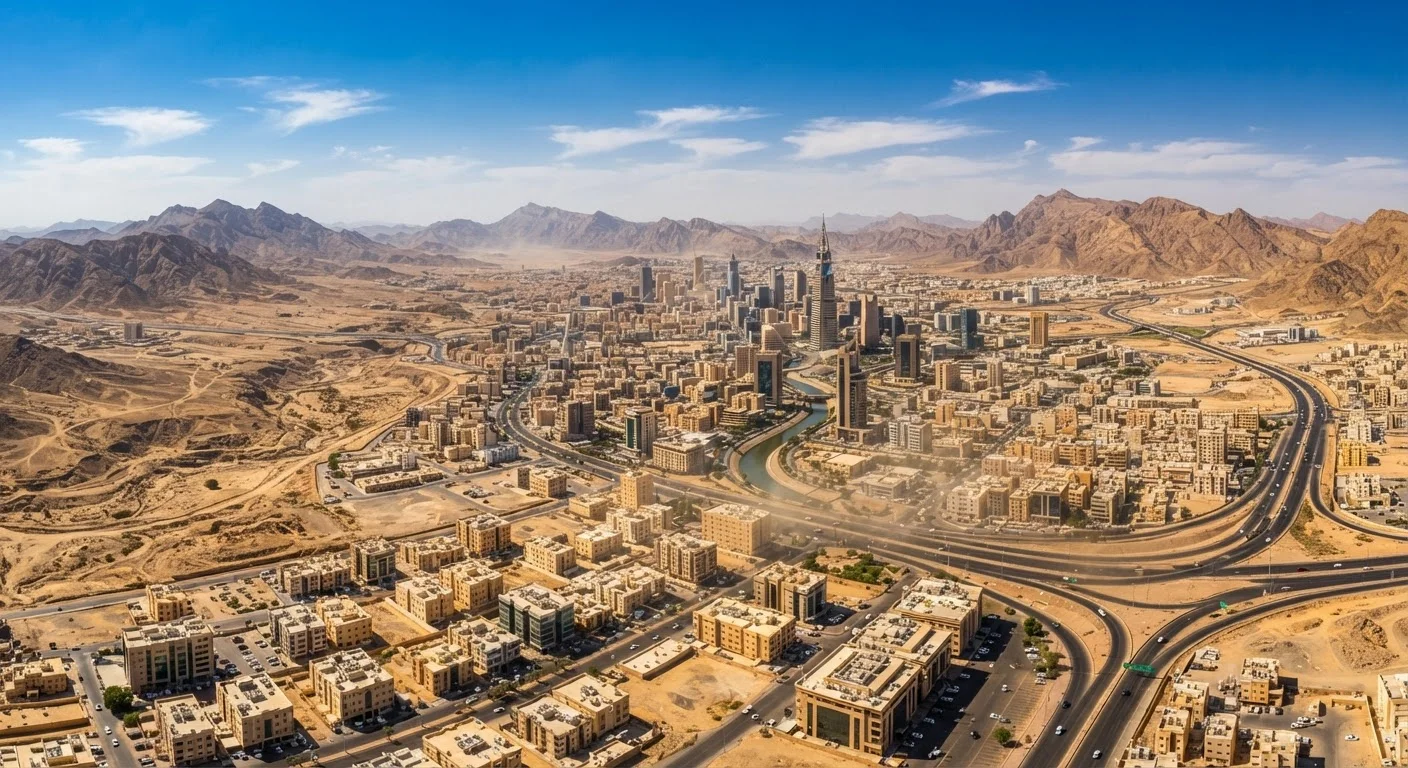
Photo credit: ExplorerGrid.com | Endless Grid Of Factual Content
In this article
Phoenix, Las Vegas, Palm Springs, and Tucson each have their appeal in summer—and their real drawbacks. A balanced look at what heat-season travel involves.
Key Takeaways
- Summer heat in major US desert cities regularly exceeds 110°F, posing real safety risks for outdoor activity.
- Lower room rates and fewer crowds are genuine advantages for travelers who plan strategically.
- Morning and evening timing, plus indoor attractions, can make summer visits manageable and even enjoyable.
- Monsoon season (roughly July–September) adds humidity, flash flood risk, and dramatic weather across much of the Southwest.
- Outdoor recreation at nearby parks and trails is strongly limited by dangerous heat during peak daytime hours.
Significantly lower hotel and resort rates
Summer is the slow season in desert cities, and room prices often drop 30–50% compared to peak fall and spring. Resorts compete for guests with upgraded amenities and package inclusions.
Thinner crowds at indoor attractions
Museums, aquariums, entertainment venues, and casino floors see fewer visitors in summer, making for a more relaxed experience at popular spots.
Spectacular desert evenings and sunsets
Once temperatures drop after sundown, the desert landscape is genuinely beautiful — golden light, dramatic skies, and comfortable outdoor dining from around 7–8 p.m. onward.
World-class pool and resort culture
Las Vegas and Palm Springs in particular have invested heavily in resort pools, dayclub scenes, and spa facilities — experiences that are actually best enjoyed in summer when they're operating at full capacity.
Monsoon storms can be visually stunning
For those safely positioned indoors or on a covered patio, summer monsoon thunderstorms over the desert are a dramatic natural spectacle unlike anything most travelers experience at home.
Dangerous daytime heat limits outdoor activity
Sustained temperatures above 105–110°F pose real heat illness risks, effectively restricting outdoor sightseeing and recreation to early morning hours. This eliminates a large portion of a typical travel itinerary.
Flash flood risk during monsoon season
Monsoon storms (roughly July–September) can trigger sudden, severe flash flooding in urban streets and low-lying roads, not just backcountry areas. Travelers should monitor weather alerts actively.
Parked vehicles become hazardous quickly
Interior car temperatures can exceed 150°F when parked in direct sun, creating risks for children, pets, and heat-sensitive medications. Covered parking is scarce and competitive at many destinations.
Outdoor dining and exploration windows are narrow
The comfortable outdoor window each day is limited to roughly sunrise through 9 a.m. and again after 7–8 p.m., which requires significant schedule restructuring compared to normal travel habits.
Some smaller attractions and restaurants close seasonally
In Palm Springs especially, a portion of independent restaurants and boutique experiences operate reduced hours or close entirely during peak summer months due to lower local demand.
Physical acclimatization takes time and effort
Travelers arriving from cooler climates should expect the first day or two to feel physically taxing. Hydration demands in extreme heat are much higher than most people anticipate — heat illness can develop faster than expected.
What 'Desert Summer' Actually Means on the Ground
Phoenix, Las Vegas, Palm Springs, and Tucson are routinely among the hottest cities in the United States from June through September. Average highs in Phoenix and Palm Springs frequently push past 110°F in July, while Las Vegas regularly sits in the 105–108°F range. These aren't heat advisories for unusual years — they're the baseline expectation.
That context matters before booking. Summer desert travel is a fundamentally different experience than visiting in October or March. Outdoor sightseeing, hiking, and walking tours shift from pleasures to genuine health considerations. The National Weather Service regularly issues excessive heat warnings across the region, and heat-related illness is a real concern, particularly for children, older adults, and anyone not acclimatized to extreme temperatures.
If you're weighing different seasonal timing strategies, it's worth reading about shoulder season tradeoffs before committing to summer — or ruling it out entirely.
The Real Advantages of Going in Summer
Significantly lower hotel and resort rates
Summer is the slow season in desert cities, and room prices often drop 30–50% compared to peak fall and spring. Resorts compete for guests with upgraded amenities and package inclusions.
Thinner crowds at indoor attractions
Museums, aquariums, entertainment venues, and casino floors see fewer visitors in summer, making for a more relaxed experience at popular spots.
Spectacular desert evenings and sunsets
Once temperatures drop after sundown, the desert landscape is genuinely beautiful — golden light, dramatic skies, and comfortable outdoor dining from around 7–8 p.m. onward.
World-class pool and resort culture
Las Vegas and Palm Springs in particular have invested heavily in resort pools, dayclub scenes, and spa facilities — experiences that are actually best enjoyed in summer when they're operating at full capacity.
Monsoon storms can be visually stunning
For those safely positioned indoors or on a covered patio, summer monsoon thunderstorms over the desert are a dramatic natural spectacle unlike anything most travelers experience at home.
The economics of summer desert travel are hard to ignore. Hotel rates in Las Vegas and Palm Springs in particular can drop significantly compared to their busy fall and spring peaks, and many resorts offer upgraded amenities or package deals to attract visitors during the slow season. Crowds at museums, indoor attractions, and entertainment venues thin out noticeably.
Travelers who structure their days intelligently — poolside mornings, indoor attractions mid-day, outdoor dining and strolls after 7 p.m. — often find the rhythm surprisingly workable. The desert also transforms dramatically at dusk: cooler air arrives, evening light turns the landscape gold and amber, and outdoor patios come alive in ways that are genuinely special.
For those road-tripping between cities, weighing driving versus flying in summer heat deserves separate thought — a car with reliable air conditioning is non-negotiable, and leaving vehicles parked in direct sun can create interior temperatures exceeding 150°F within minutes.
The Real Disadvantages Worth Weighing
Dangerous daytime heat limits outdoor activity
Sustained temperatures above 105–110°F pose real heat illness risks, effectively restricting outdoor sightseeing and recreation to early morning hours. This eliminates a large portion of a typical travel itinerary.
Flash flood risk during monsoon season
Monsoon storms (roughly July–September) can trigger sudden, severe flash flooding in urban streets and low-lying roads, not just backcountry areas. Travelers should monitor weather alerts actively.
Parked vehicles become hazardous quickly
Interior car temperatures can exceed 150°F when parked in direct sun, creating risks for children, pets, and heat-sensitive medications. Covered parking is scarce and competitive at many destinations.
Outdoor dining and exploration windows are narrow
The comfortable outdoor window each day is limited to roughly sunrise through 9 a.m. and again after 7–8 p.m., which requires significant schedule restructuring compared to normal travel habits.
Some smaller attractions and restaurants close seasonally
In Palm Springs especially, a portion of independent restaurants and boutique experiences operate reduced hours or close entirely during peak summer months due to lower local demand.
Physical acclimatization takes time and effort
Travelers arriving from cooler climates should expect the first day or two to feel physically taxing. Hydration demands in extreme heat are much higher than most people anticipate — heat illness can develop faster than expected.
The heat isn't just uncomfortable — it can be dangerous. Sustained exposure above 105°F accelerates dehydration and heat exhaustion rapidly, and activities that feel manageable in mild weather become risky. This effectively eliminates large swaths of a typical travel itinerary for safety reasons, not preference.
Monsoon season, which generally runs July through mid-September across Arizona and New Mexico, adds a layer of unpredictability. Storms can be sudden and severe, bringing flash flooding to washes and low-lying roads — including in urban areas. Flash flood risk is not limited to backcountry hiking; it affects city streets and highways.
For travelers hoping to explore the Southwest's national parks, summer heat creates serious limitations. The Grand Canyon's South Rim sees temperatures well above 100°F at the canyon floor, and many ranger programs restrict strenuous hiking to early morning hours. For a broader look at what each park actually offers across conditions, see what each Southwest national park delivers.
110°F+
Average July high in Phoenix, AZ
The National Weather Service records Phoenix averaging more than 110°F on many July days, with overnight lows still exceeding 90°F.
150°F
Possible interior car temperature in direct sun
Research from organizations including the National Safety Council has documented vehicle interior temperatures rising to 150°F or higher when parked in intense summer sun.
July–Sept
Arizona monsoon season window
The North American Monsoon typically brings increased humidity, afternoon thunderstorms, and flash flood potential to Arizona and surrounding states from July through mid-September.
How Desert Summer Compares to Other Off-Peak Travel
Desert cities in summer occupy an unusual niche in US travel: they're genuinely off-peak for weather-related reasons, unlike coastal destinations where off-season just means quieter beaches. The analogy that holds up well is visiting coastal New England in the off-season — both involve accepting real limitations in exchange for lower costs and fewer crowds, and both reward travelers who do their homework.
The key difference: New England's off-season limitations are mostly about ambiance and closures. Desert summer limitations are about physical safety. That's a meaningfully higher bar for preparation.
Heat Safety Is Not Optional
The CDC and National Weather Service both classify extreme heat as the leading weather-related cause of death in the United States. In desert cities during summer, this risk is ambient — not just tied to hiking or outdoor sport. Staying hydrated, limiting midday outdoor exposure, and knowing the signs of heat exhaustion are practical necessities, not overcaution. Travelers with cardiovascular conditions, young children, or older adults in their group should consult a healthcare provider before planning summer desert travel.
Ultimately, summer desert travel suits a specific traveler profile. Those drawn by pool culture, resort amenities, indoor entertainment, and dramatic evening landscapes will find genuine rewards. Those expecting full outdoor freedom should seriously consider what peak season travel actually delivers in a destination better suited to warm-weather outdoor activity.

Author
Travel & Trips Editorial Team
Travel & Trips Editorial Team is the collective byline for our editorial team and contributor network. Articles published under this byline or an editorial pen name are researched, written, and reviewed according to our editorial standards for clarity, consistency, and independence before publication.
View all articles →