
Coastal New England in the Off-Season: What Changes and What Stays Worth It
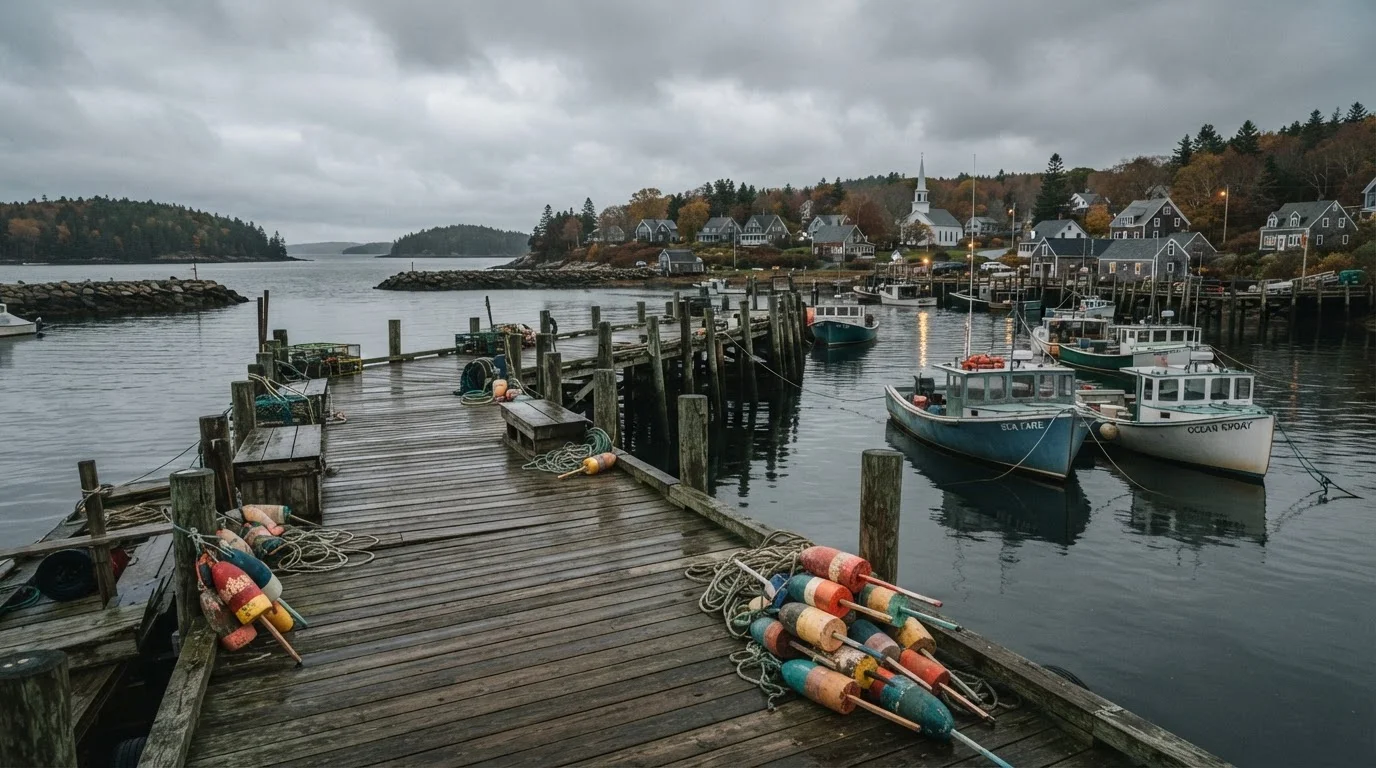
Photo credit: ExplorerGrid.com | Endless Grid Of Factual Content
In this article
Visiting Maine, Cape Cod, or Rhode Island outside summer looks very different. Here's an honest breakdown of the tradeoffs and what actually stays open.
Key Takeaways
- Many iconic coastal attractions — lighthouses, seafood shacks, whale watch tours — close or run reduced schedules from October through April.
- Accommodation rates drop significantly in the off-season, and crowds nearly disappear, making exploration far more relaxed.
- Fall foliage along the coast creates a compelling window in September and October that many summer visitors miss entirely.
- Weather is genuinely unpredictable; packing layers and checking forecasts regularly is non-negotiable.
- Some communities feel almost empty mid-winter, which can be either charming or isolating depending on your travel style.
Accommodation rates drop sharply outside summer months
Coastal inns and vacation rentals in popular spots like Rockport or Chatham can see rates fall 30–50% from peak-season pricing, making longer stays more accessible.
Crowds disappear — beaches, trails, and towns feel uncrowded
Popular destinations like Acadia's Jordan Pond path or Provincetown's Commercial Street are genuinely walkable without summer bottlenecks.
Fall foliage adds a spectacular visual layer
Late September through mid-October brings vivid color to coastal Maine and Rhode Island's tree-lined back roads, creating scenery that rivals any summer landscape.
Wildlife viewing conditions can actually improve
Migratory birds concentrate along the coast in fall, and whale activity — including humpbacks and finbacks — continues through October off Massachusetts and Maine.
A more authentic sense of local culture
Year-round towns like Portland and Portsmouth reveal their working character when the tourist infrastructure steps back — local restaurants, galleries, and markets take center stage.
Many seasonal businesses close entirely
Iconic summer staples — ferry services to outer islands, whale-watch tours, and popular seafood shacks — operate on seasonal schedules that often end before October.
Weather is cold, wet, and genuinely unpredictable
Nor'easters can arrive with little warning from November onward, bringing rain, wind, and occasionally snow that can derail outdoor plans entirely.
Some towns feel isolating rather than charming
Smaller resort communities with a single main street can feel desolate in deep winter — an experience that suits some travelers but unsettles others.
Dining and activity options narrow considerably
Even in relatively active off-season towns, restaurant hours shrink, some operators close mid-week, and advance research becomes essential rather than optional.
Shorter daylight hours limit outdoor time
By December, sunset arrives before 4:30 p.m. across most of coastal New England, compressing the usable window for hiking, sightseeing, and coastal walks.
How the Off-Season Actually Changes the Experience
Summer in coastal New England — think Kennebunkport, Provincetown, Newport, and Bar Harbor — is peak everything: peak prices, peak crowds, peak activity. When Labor Day passes, the region shifts gears dramatically. Many seasonal businesses simply close. Whale-watching boats dock for the winter. Certain lobster shacks bolt their shutters until Memorial Day. Some stretches of Cape Cod feel almost deserted by November.
That said, 'off-season' is not a single experience. September and October are closer to shoulder season — foliage is spectacular along the Maine coast and the Berkshire-adjacent parts of Rhode Island, and many restaurants and attractions still operate, just with shorter hours. November through March is when the region truly empties, and the calculus changes considerably. If you're weighing your options against peak travel, our piece on the honest pros and cons of peak-season travel lays out what you'd be trading.
What Actually Stays Open — and What Doesn't
Before booking, it's worth researching each destination specifically, because closures vary widely. Some useful patterns hold across the region:
- Lighthouses and scenic overlooks are almost always accessible year-round, even when visitor centers are closed.
- State and national parks — Acadia National Park in Maine, for example — remain open in winter, though park facilities are reduced and some roads close.
- Year-round towns like Portland, ME, Portsmouth, NH, and Newport, RI retain functioning restaurant and cultural scenes even in deep winter because they serve local populations, not just tourists.
- Seasonal towns like Ogunquit, ME, or Wellfleet, MA can feel truly empty, with only a handful of businesses operating.
Calling ahead or checking official tourism board websites before your trip is essential — hours posted online are often not updated for off-season schedules. For a broader look at how accommodation options shift between seasons, see our overview of accommodation types and what each offers.
Shoulder Season vs. True Off-Season
September and October function more like a shoulder season across coastal New England — most businesses still operate, foliage is at its peak, and temperatures remain manageable. The sharper drop in services and amenities typically hits in November and doesn't fully reverse until late May. If you want reduced crowds without dramatically reduced options, the September–October window is usually the most rewarding compromise. Our dedicated piece on shoulder season travel tradeoffs explores this middle ground in more depth.
The Pros: Why Off-Season Has Real Appeal
The case for visiting outside summer is stronger than many travelers expect.
Accommodation rates drop sharply outside summer months
Coastal inns and vacation rentals in popular spots like Rockport or Chatham can see rates fall 30–50% from peak-season pricing, making longer stays more accessible.
Crowds disappear — beaches, trails, and towns feel uncrowded
Popular destinations like Acadia's Jordan Pond path or Provincetown's Commercial Street are genuinely walkable without summer bottlenecks.
Fall foliage adds a spectacular visual layer
Late September through mid-October brings vivid color to coastal Maine and Rhode Island's tree-lined back roads, creating scenery that rivals any summer landscape.
Wildlife viewing conditions can actually improve
Migratory birds concentrate along the coast in fall, and whale activity — including humpbacks and finbacks — continues through October off Massachusetts and Maine.
A more authentic sense of local culture
Year-round towns like Portland and Portsmouth reveal their working character when the tourist infrastructure steps back — local restaurants, galleries, and markets take center stage.
Fall foliage along coastal routes — particularly Route 1 in Maine — is a genuinely underrated draw. Combine that with seafood that's still very much available at year-round restaurants, and the experience can feel more rewarding than a July trip spent circling for parking. For travelers open to a looser itinerary, the case for flexible travel planning is especially relevant here, since off-season schedules make rigid plans harder to keep.
The Cons: Real Limitations to Weigh
Off-season coastal New England is not a universally good idea. The tradeoffs deserve honest attention before you commit.
Many seasonal businesses close entirely
Iconic summer staples — ferry services to outer islands, whale-watch tours, and popular seafood shacks — operate on seasonal schedules that often end before October.
Weather is cold, wet, and genuinely unpredictable
Nor'easters can arrive with little warning from November onward, bringing rain, wind, and occasionally snow that can derail outdoor plans entirely.
Some towns feel isolating rather than charming
Smaller resort communities with a single main street can feel desolate in deep winter — an experience that suits some travelers but unsettles others.
Dining and activity options narrow considerably
Even in relatively active off-season towns, restaurant hours shrink, some operators close mid-week, and advance research becomes essential rather than optional.
Shorter daylight hours limit outdoor time
By December, sunset arrives before 4:30 p.m. across most of coastal New England, compressing the usable window for hiking, sightseeing, and coastal walks.
Weather is the factor most travelers underestimate. A November weekend in Bar Harbor can be genuinely raw — wind-driven rain, temperatures in the 30s, and choppy seas make outdoor exploration uncomfortable without serious preparation. Before any cold-season road trip to the region, it's worth reviewing seasonal vehicle maintenance considerations — winter roads in coastal Maine and the Cape involve salt, ice, and occasional heavy snow.
Highlights That Hold Up Regardless of Season
Certain things about coastal New England don't diminish when summer ends — and in some cases genuinely improve.
- The landscape itself. Rocky coastlines, tidal marshes, and fishing harbors are arguably more photogenic under gray autumn skies than in August sunshine.
- Seafood. Lobster, clams, oysters, and chowder are available year-round at non-tourist-facing restaurants in working harbor towns, often at lower prices.
- Cultural institutions. Museums in cities like Portland and Providence maintain regular winter schedules and are far less crowded.
- The sense of place. Off-season visitors often describe experiencing a more authentic version of the region — the one that exists when it's not performing for summer crowds.
If you're comparing New England's appeal against other coastal options, our look at the US Gulf Coast as a travel region outlines a very different off-season calculus — warmer winters, different tradeoffs.
~40%
Typical off-season lodging rate reduction
Travel industry analyses consistently show coastal New England accommodation costs drop substantially between October and May compared to July–August peaks.
3.5M+
Annual visitors to Acadia National Park
The National Park Service reports the vast majority of Acadia's annual visitation is concentrated in July and August, leaving fall and winter comparatively uncrowded.

Author
Travel & Trips Editorial Team
Travel & Trips Editorial Team is the collective byline for our editorial team and contributor network. Articles published under this byline or an editorial pen name are researched, written, and reviewed according to our editorial standards for clarity, consistency, and independence before publication.
View all articles →