
The US Gulf Coast as a Travel Region: Understanding Its Range and Character
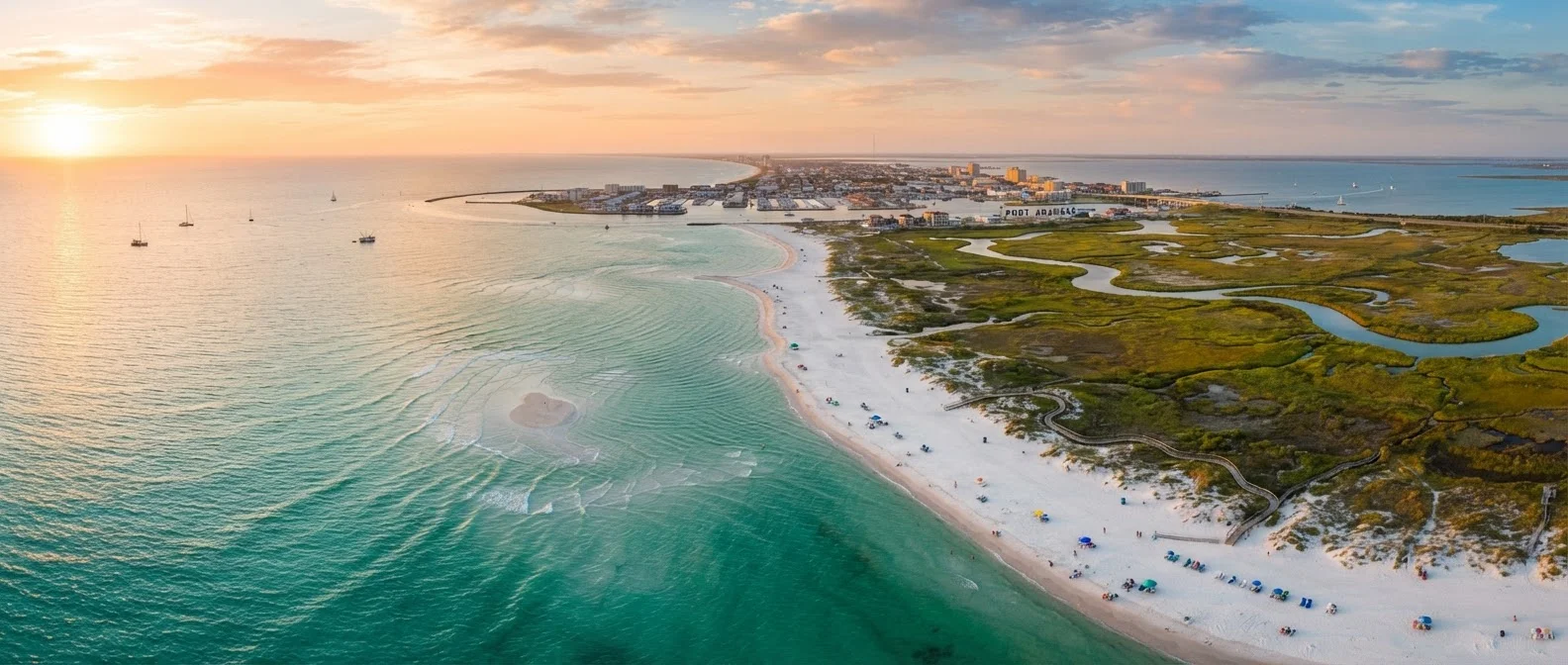
Photo credit: ExplorerGrid.com | Endless Grid Of Factual Content
In this article
From Galveston to Pensacola, the Gulf Coast spans very different landscapes and cultures. Here's a grounded look at what the region offers travelers.
Key Takeaways
- The Gulf Coast spans five states and contains dramatically different cultures, climates, and landscapes.
- Each subregion — Texas, Louisiana, Mississippi, Alabama, and the Florida Panhandle — rewards a different type of traveler.
- Summer is peak season for beaches but can bring intense heat, humidity, and hurricane risk.
- The region's food culture — from Gulf seafood to Cajun and Creole cuisine — is among its strongest draws.
- Driving the coast is rewarding but distances between highlights are longer than they appear on a map.
- Understanding the region's range helps travelers set realistic expectations and plan more satisfying trips.
Why the Gulf Coast Resists a Single Description
Ask five travelers about the Gulf Coast and you'll hear five different stories. One thinks of sugary white beaches in the Florida Panhandle. Another recalls the jazz-soaked streets of New Orleans. A third pictures endless Texas marshland and shrimping boats. All of them are right — and that's exactly what makes the region so genuinely interesting to explore.
The Gulf Coast isn't a single destination; it's a loose geographic corridor connecting places that share warm water and high humidity but little else. Understanding this range upfront is the most useful thing a traveler can do before planning a trip. It shapes which subregion you target, what time of year makes sense, and what expectations are reasonable.
For a broader lens on the cultural context surrounding this coastline, our orientation to the American South as a travel destination provides helpful framing on how this region fits into a larger picture.
~1,700
Miles of US Gulf Coast shoreline
The US Gulf Coast spans approximately 1,680 miles of mainland coastline across five states, according to NOAA data.
5
States bordering the Gulf of Mexico
Texas, Louisiana, Mississippi, Alabama, and Florida all have Gulf-facing coastlines with distinct regional characters.
June–Nov
Atlantic hurricane season window
The National Hurricane Center defines the Atlantic hurricane season as June 1 through November 30, with peak activity typically in late August and September.
1.3M acres
Protected land in Gulf Islands National Seashore
Gulf Islands National Seashore, managed by the National Park Service, encompasses barrier islands and waters across Florida and Mississippi.
A Subregion-by-Subregion Breakdown
Texas Gulf Coast: Stretching from the Río Grande to the Louisiana border, this stretch centers on Galveston, Corpus Christi, and South Padre Island. The vibe is unpretentious and outdoorsy — birding, fishing, and off-the-beaten-path nature reserves dominate. Padre Island National Seashore is one of the longest undeveloped barrier islands in the country. Expect warmer but less translucent water than farther east.
Louisiana Coast: Louisiana is less about beaches and more about bayou. The wetlands south of New Orleans are among the most ecologically rich — and vulnerable — in North America. New Orleans itself anchors the region culturally: food, live music, French Quarter architecture, and an identity unlike anywhere else in the US.
Mississippi and Alabama: These two states have short coastlines that are easy to overlook but worth considering. The Gulf Islands National Seashore spans both states and offers uncrowded, preserved barrier island landscapes. Mobile, Alabama, carries deep history and a Mardi Gras tradition that actually predates New Orleans'.
Florida Panhandle: From Pensacola to Panama City, this stretch — sometimes called the Emerald Coast — delivers the postcard Gulf: bright quartz sand, emerald-green water, and long stretches of beach. It draws large crowds in summer and is distinctly different in character from the rest of Florida. For context on how even Florida's own subregions diverge, what travelers get wrong about the Florida Keys illustrates just how much variety exists within a single state.
Seasonality and Practical Considerations
The Gulf Coast's climate is the region's biggest variable. Spring is widely considered the sweet spot — comfortable temperatures, manageable crowds, and full access to outdoor activities. Summer brings intense heat and humidity across all five states, plus the genuine concern of hurricane season, which runs from June through November with peak intensity in late August and September.
Travelers should consult official sources — the National Hurricane Center and relevant state emergency management agencies — for current seasonal conditions before booking, especially for trips planned between August and October.
Fall shoulder season (October–November) can be excellent, particularly for those who tolerate some unpredictability. Winters are mild compared to most of the US, making the region a draw for snowbirds and travelers escaping colder climates — though some smaller beach towns thin out considerably off-season. If the appeal of an off-season coastal escape intrigues you, the contrast with off-season coastal New England is illuminating.
What the Gulf Coast Does Better Than Anywhere Else
For all its variation, the Gulf Coast has a few undeniable strengths that hold across subregions. Gulf seafood — shrimp, oysters, blue crab, redfish — is fresh, abundant, and central to local identity. Cajun and Creole cooking from Louisiana's culinary tradition has influenced the entire coast. You'll find food culture here that's deeply rooted in place in a way that's increasingly rare.
The region also rewards slow travel. Road-tripping the coast reveals fishing villages, roadside boudin stands, funky dive bars on stilts, and state parks that see a fraction of the crowds of their Atlantic counterparts. The pace is unhurried. The hospitality is genuine.
For travelers drawn to dramatic scenery and bucket-list experiences but unsure how the Gulf Coast fits into bigger US travel goals, weighing Alaska versus Hawaii as destinations offers a useful counterpoint — a reminder that the most memorable trips aren't always the most exotic ones.
Frequently Asked Questions

Author
Travel & Trips Editorial Team
Travel & Trips Editorial Team is the collective byline for our editorial team and contributor network. Articles published under this byline or an editorial pen name are researched, written, and reviewed according to our editorial standards for clarity, consistency, and independence before publication.
View all articles →