
Fall Home Prep: What to Do Before the First Freeze
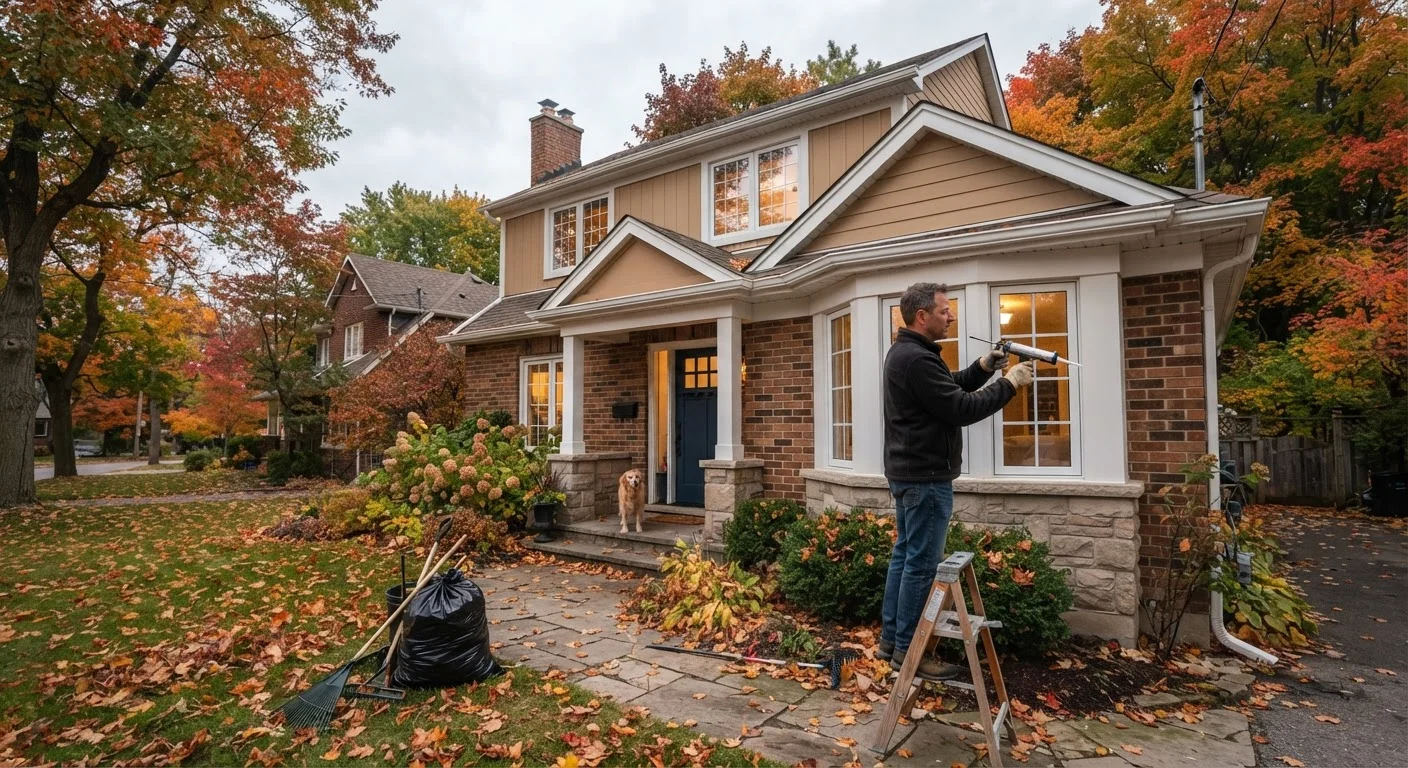
Photo credit: ExplorerGrid.com | Endless Grid Of Factual Content
In this article
Cold weather can expose every weakness in your home. Here's how to winterize effectively before temperatures drop.
Key Takeaways
- Frozen pipes, roof leaks, and heating failures are among the most common — and preventable — cold-weather home problems.
- Exterior sealing and weatherstripping are quick wins that directly lower heating costs.
- Disconnecting outdoor hoses and shutting off exterior faucets is one of the most overlooked freeze-prevention steps.
- Your heating system should be inspected and tested before outdoor temperatures consistently drop below freezing.
- Gutters clogged with autumn leaves can cause ice dams that damage roofing and interior ceilings.
- Planning ahead lets you schedule contractors before the seasonal rush drives up wait times and costs.
Why Fall Prep Matters Before the Cold Arrives
The weeks between the last warm spell and the first hard freeze are your most valuable maintenance window of the year. Cold weather doesn't just make your home uncomfortable — it exploits every gap, crack, and worn component you've been putting off. A burst pipe can cause thousands of dollars in water damage in a matter of hours. An overworked heating system that hasn't been serviced can fail on the coldest night of the season.
The good news: most freeze-prevention tasks are straightforward and don't require specialized skills or expensive equipment. What they do require is timing. Once temperatures consistently dip below freezing, many of these tasks become impossible or genuinely dangerous to perform safely.
This checklist covers your home's exterior envelope, plumbing, heating systems, and more. Work through it zone by zone, and you'll head into winter with real confidence rather than crossed fingers. For a broader view of how this fits into year-round upkeep, see the annual home maintenance calendar that breaks down tasks month by month.
Exterior Envelope & Weatherproofing
Gutters & Drainage
Plumbing & Outdoor Water Systems
Heating System & Indoor Comfort
Safety & Emergency Readiness
Tools and Supplies You'll Want on Hand
Before you start, gather the basic materials so you're not stopping mid-task. Most of these are available at hardware stores and are inexpensive relative to what they protect against.
Weatherstripping
Seals gaps around door frames to block cold air infiltration and reduce heating costs.
Exterior caulk
Fills cracks and gaps around windows, doors, and utility penetrations to prevent drafts and moisture entry.
Pipe insulation wrap (foam tubing)
Insulates exposed pipes in unheated spaces to reduce the risk of freezing.
Insulated faucet covers
Protect exterior hose bibs from freezing temperatures after hoses are disconnected.
Gutter scoop or trowel
Removes compacted leaf debris from gutters more efficiently than hands alone.
HVAC filter (correct size for your system)
Replaces the dirty filter to maintain airflow efficiency during peak heating season.
Ladder (extension or step)
Allows safe access to gutters and low roofline areas for inspection and cleaning.
Flashlight or headlamp
Helps inspect dark crawl spaces, attics, and utility areas for insulation gaps or pipe concerns.
Having these items ready before you begin means you can work through the checklist efficiently rather than making multiple store runs. If you notice your sump pump hasn't been tested recently, this is also a good time to review it — a failing sump pump during a winter storm can flood a basement in hours.
After the Checklist: A Few Final Reminders
Once you've worked through the items above, take 10 minutes to walk the perimeter of your home at eye level and look for anything you may have missed — a gap in caulking, a door that doesn't quite close flush, a downspout that's shifted. These small issues are easy to miss on a task-by-task basis but obvious when you step back.
Don't Delay Heating System Issues
If your furnace or heat pump shows any warning signs during testing — unusual noises, failure to reach set temperature, or burning smells — stop using it and contact a licensed HVAC technician before relying on it for winter heating. Running a malfunctioning heating system can pose fire and carbon monoxide hazards. This is not a repair to defer until a convenient weekend.
Keep notes on anything that needs professional attention — heating system concerns, roof damage you can see from the ground, or signs of previous water infiltration — and schedule those calls before contractors get fully booked with emergency winter calls. If you have a vehicle, fall is also the right time to address seasonal readiness there; see our guide on seasonal car maintenance for a parallel checklist. And don't overlook the yard: fall garden prep tasks like mulching and bulb planting are easier done now than after the ground hardens.
Revisit this checklist each fall — ideally in late September or early October in northern US climates, or mid-October to November in more temperate zones — and you'll build a reliable seasonal rhythm that protects your home year after year. For deeper context on each home system covered here, the complete owner's resource offers end-to-end guidance from foundation to rooftop.

Author
Home & Garden Editorial Team
Home & Garden Editorial Team is the collective byline for our editorial team and contributor network. Articles published under this byline or an editorial pen name are researched, written, and reviewed according to our editorial standards for clarity, consistency, and independence before publication.
View all articles →