
Fall Garden Prep: A Season-End Checklist Before the Ground Freezes
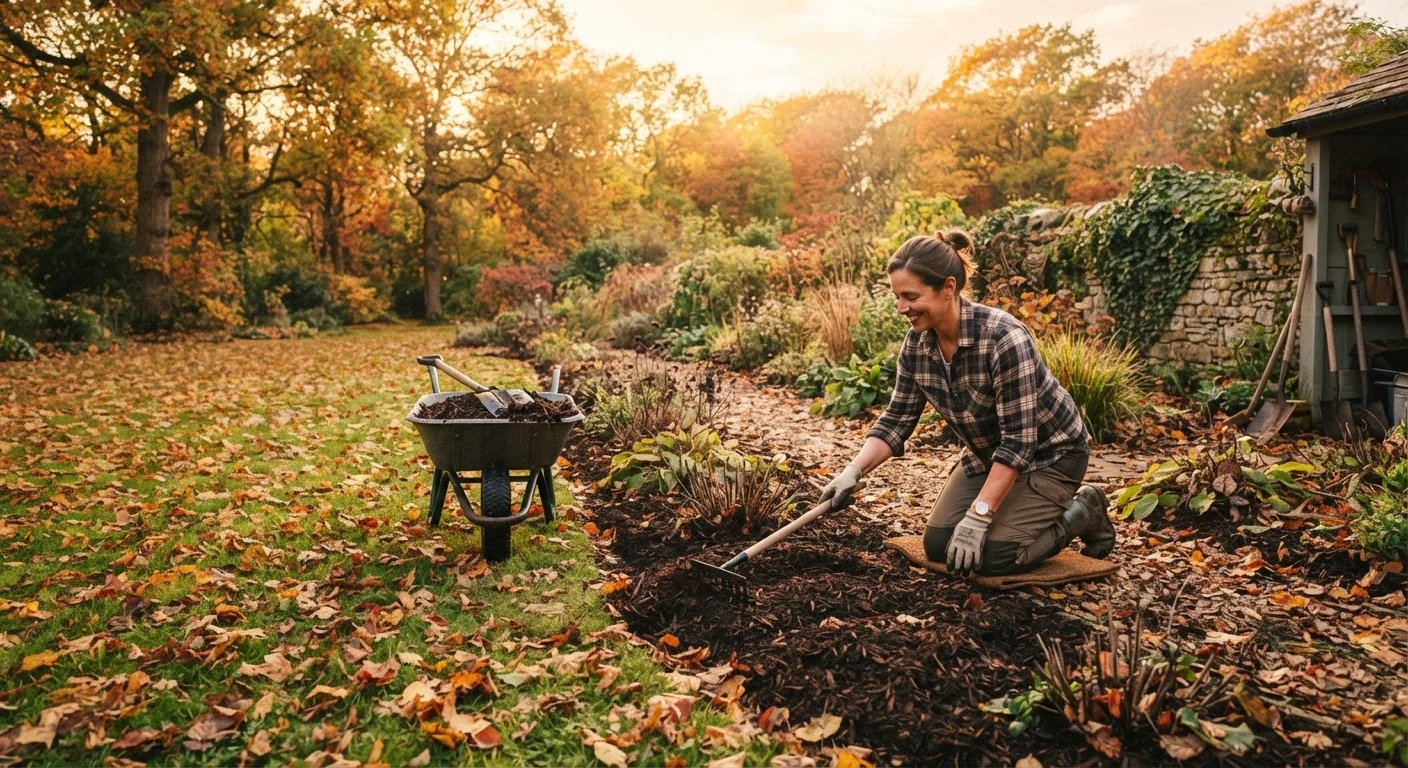
Photo credit: ExplorerGrid.com | Endless Grid Of Factual Content
Cover the essential tasks—mulching, soil amendment, bulb planting, and tool storage—before winter sets in and the ground becomes unworkable.
Key Takeaways
- Mulching garden beds before a hard freeze protects roots and moderates soil temperature swings.
- Fall is the ideal window for planting spring-blooming bulbs such as tulips, daffodils, and alliums.
- Amending soil in autumn gives organic matter time to integrate before spring planting.
- Clean, dry, properly stored tools last significantly longer and perform better season after season.
- Cutting back certain perennials now reduces disease pressure and saves cleanup time next spring.
- Knowing your USDA hardiness zone shapes every timing decision in this checklist.
Why Fall Garden Prep Pays Off in Spring
Most gardening rewards are deferred — you work now and benefit later. Fall is the season that proves this truism most clearly. The tasks you complete before the ground freezes directly determine how quickly your garden bounces back when temperatures rise. Skipping them doesn't save time; it just moves the work into spring, when the calendar is already crowded.
Timing is regional. Gardeners in USDA Hardiness Zones 3–5 may have a narrow window of just a few weeks between the first killing frost and deeply frozen ground, while those in Zones 7–8 can often work well into December. Understanding what your hardiness zone means helps you prioritize which items to tackle first if time runs short.
This checklist is organized into logical phases — from clearing debris to storing tools — so you can work through it in a single weekend or spread tasks across two. Use it alongside our broader fall home prep guidance to cover your entire property before winter arrives.
Garden fork or spade
Turns compost and amendments into bed soil and lifts tender bulbs for storage.
Soil test kit or extension service mailer
Determines pH and nutrient levels so amendments are targeted rather than guesswork.
Bulb planting auger or dibber
Speeds up precise-depth planting of multiple bulbs across a bed.
Mulch (shredded bark, straw, or chopped leaves)
Insulates soil, moderates freeze-thaw cycles, and suppresses early spring weeds.
Sharpening stone or file
Restores edges on spades, hoes, and pruning tools before winter storage.
Linseed or mineral oil and rags
Protects metal tool surfaces from rust during months of off-season storage.
Burlap or frost cloth
Shields marginally hardy shrubs and newly planted specimens from desiccating winter winds.
Working Through the Checklist
The groups below follow a practical sequence: clear the beds, feed the soil, plant for spring, protect what stays in the ground, and finally put your gear away in good shape. Work through them roughly in order, since mulching before amending soil, for example, makes the job harder than it needs to be.
Clearing and Cleanup
Soil Amendment
Bulb Planting
Mulching and Winter Protection
Tool and Equipment Storage
Don't Mulch Too Early — Timing Matters
Applying mulch while the soil is still warm can trap heat and encourage late-season growth that gets killed by frost. Wait until after a couple of hard frosts have slowed plant activity and the soil has begun to cool — typically a few weeks after your average first frost date. Also avoid piling mulch directly against plant crowns or tree trunks, as this creates conditions favorable for rot and rodent damage over winter.
If you grow vegetables, fall cleanup is also an opportunity to plan next year's layout. Rotating crop families reduces pest and disease carryover — a simple habit that pays dividends. For a deeper look at bed planning, see our guide on starting a vegetable garden from scratch.
Perennials need thoughtful editing rather than wholesale cutting. Some stems and seed heads provide winter habitat for beneficial insects and visual interest under snow. Our resource on balancing perennials and annuals can help you decide which plants to prioritize keeping tidy versus leaving more natural. For woody shrubs specifically, review pruning timing and technique before making cuts — fall is appropriate for some species and damaging for others.
Finished compost worked into beds now will be largely broken down by planting time. If your pile needs help, our home composting guide walks through how to keep the process moving even as temperatures cool.

Author
Home & Garden Editorial Team
Home & Garden Editorial Team is the collective byline for our editorial team and contributor network. Articles published under this byline or an editorial pen name are researched, written, and reviewed according to our editorial standards for clarity, consistency, and independence before publication.
View all articles →