
Perennials vs. Annuals: Planning a Garden That Balances Color and Cost
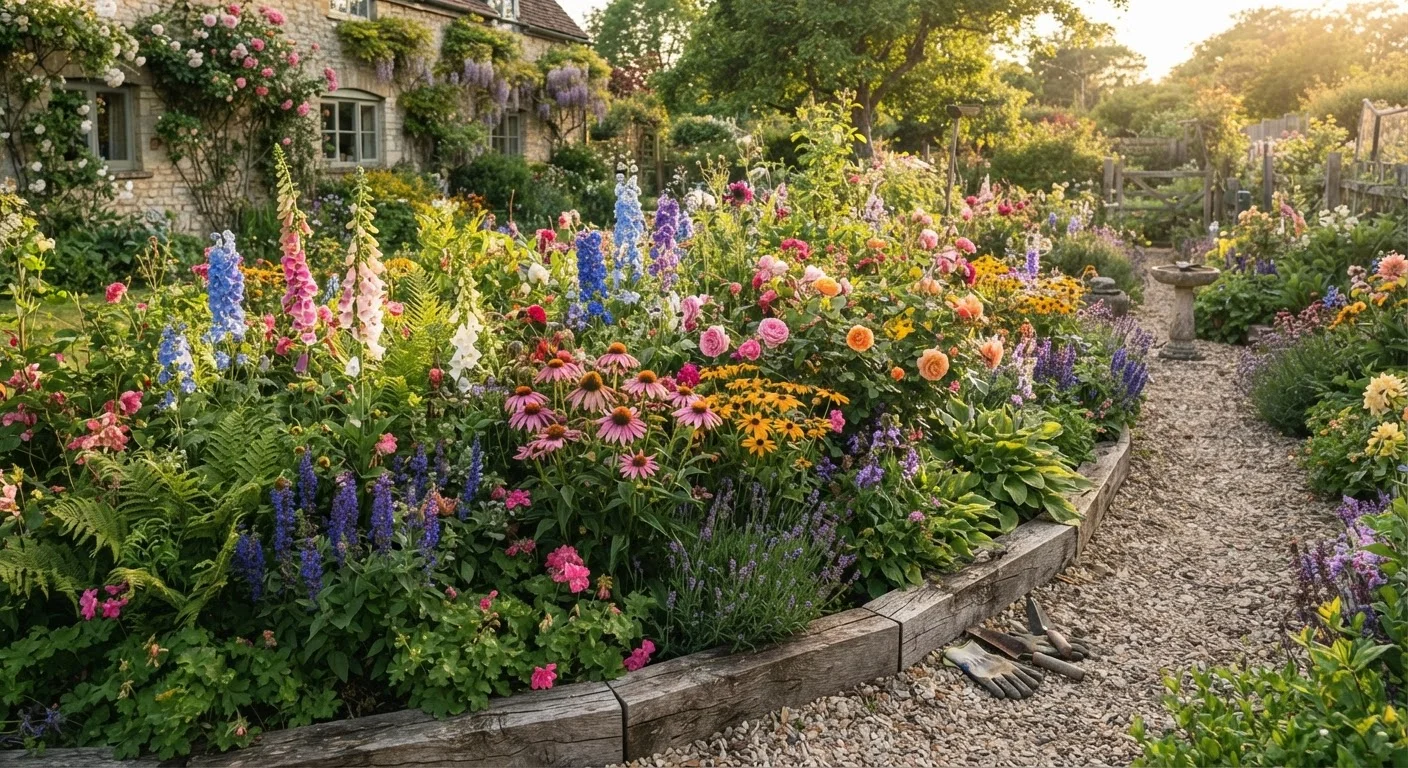
Photo credit: ExplorerGrid.com | Endless Grid Of Factual Content
In this article
Annuals give bold seasonal color; perennials return year after year. See how mixing both can reduce effort and expense over time.
Key Takeaways
- Perennials cost more upfront but return each year, reducing long-term replanting expenses.
- Annuals provide continuous, bold color throughout a single growing season.
- Mixing both types lets you control costs while maintaining visual interest year-round.
- Perennials often have narrower bloom windows; annuals fill gaps and extend color.
- Regional climate and USDA hardiness zone strongly influence which perennials survive winter.
Understanding the Core Difference
The distinction between perennials and annuals is rooted in their life cycles. Annuals complete their entire life cycle — germination, growth, flowering, seed set, and death — within a single growing season. You replant them each year. Perennials, by contrast, die back to their root system in winter (in most climates) and re-emerge from the same root stock the following spring.
This biological difference has real implications for your garden budget and workload. Annuals demand annual purchasing and planting labor. Perennials require a larger initial investment but reward patience with years of return growth — often spreading and multiplying over time, which means you can eventually divide them to fill more space at no additional cost.
It's worth noting that what qualifies as a perennial depends heavily on your USDA Hardiness Zone. A plant that overwinters reliably in Zone 8 may behave as an annual in Zone 5. Always check your local zone before assuming a plant will return.
Comparing Cost, Color, and Effort
When evaluating which type fits your garden, three factors matter most: upfront cost, seasonal color performance, and ongoing maintenance demands.
| Perennials | Annuals | |
|---|---|---|
| Upfront cost per plant | Higher | Lower |
| Long-term cost over 5 years | Lower (no annual repurchase) | Higher (replanted each season) |
| Bloom duration per season | 2–6 weeks typically | Late spring through frost |
| Replanting required | No (returns each year) | Yes (every season) |
| Design flexibility | Fixed placement | Change colors yearly |
| Maintenance type | Division, cutback, mulching | Watering, deadheading, removal |
| Climate dependency | Zone-specific survival | Works in most zones |
Annuals typically offer a longer bloom window — many flower from late spring through hard frost — making them workhorses for sustained color. Perennials tend to bloom for two to six weeks, then shift to foliage. This is why relying solely on perennials can leave your beds looking dull for stretches of the season.
On the cost side, annuals are usually cheaper per plant at the nursery, but those costs accumulate every season. A healthy perennial planting pays itself back within a few years and can be divided to expand your garden without spending more. If you're planning a new bed, factoring in this multi-year cost curve early will help you allocate your budget wisely.
How to Build a Smart Mixed Planting Strategy
The most effective approach for most home gardeners is a layered strategy: use perennials as the structural backbone of a bed and annuals to fill color gaps. Here's how to think through it:
- Map your bloom sequence. List the perennials you plan to include and note their typical bloom times. Identify the weeks when little is flowering — those are your annual slots.
- Choose annuals that complement, not compete. Select annual colors and textures that harmonize with your perennial palette rather than clash with it. Repeating a color from a perennial into a nearby annual creates visual cohesion.
- Plan for perennial spread. Many perennials — coneflowers, black-eyed Susans, ornamental grasses — spread or self-seed over time. Leave room in year one so you aren't crowded out by year three.
- Use annuals at the edges. Placing annuals along bed borders gives you seasonal flexibility. You can change colors or varieties each year without disturbing your established perennial root systems deeper in the bed.
Divide Perennials to Expand for Free
Once your perennials are established — usually after two to three growing seasons — many can be dug up and divided in early spring or fall. Each division becomes a new plant. This is one of the most practical ways to expand your garden's perennial coverage without spending more at the nursery. Replant divisions immediately and water them in well to minimize transplant stress.
If container growing is part of your plan, annuals tend to perform especially well in pots. See our guide on container gardening on a patio or balcony for practical advice on making the most of hard-surface spaces.
Maintenance Realities and Seasonal Planning
Neither plant type is truly low-effort — they just demand different kinds of attention. Annuals need watering, deadheading (removing spent blooms to encourage continued flowering), and end-of-season removal. Perennials require less replanting labor but benefit from division every three to five years, seasonal cutback, and in some cases winter mulching for root protection.
Fall is a particularly important time for perennial care. Tasks like cutting back dead foliage, dividing overcrowded clumps, and applying protective mulch set your plants up for strong spring emergence. Our fall garden prep checklist walks through each of these steps in detail.
Pest management is another consideration. Some flowering plants — annuals and perennials alike — attract or deter specific insects. Understanding which plants offer genuine pest-management value is worth exploring; see our article on plants that genuinely deter pests for a grounded look at the evidence.
Ultimately, the most resilient, beautiful, and cost-effective home garden tends to be one that treats annuals and perennials as partners — not rivals. Starting small with a clear plan, then expanding as you learn what thrives in your specific conditions, is a sound approach for any experience level. If you're new to outdoor growing more broadly, the principles in our guide to starting a vegetable garden from scratch apply equally well to ornamental beds.

Author
Home & Garden Editorial Team
Home & Garden Editorial Team is the collective byline for our editorial team and contributor network. Articles published under this byline or an editorial pen name are researched, written, and reviewed according to our editorial standards for clarity, consistency, and independence before publication.
View all articles →